
























































































































































































Introducing a new puppy to your current dog is often an exciting process, and many dogs will become fast friends and eas...
Read More
How to Introduce a New Puppy to Your Dog
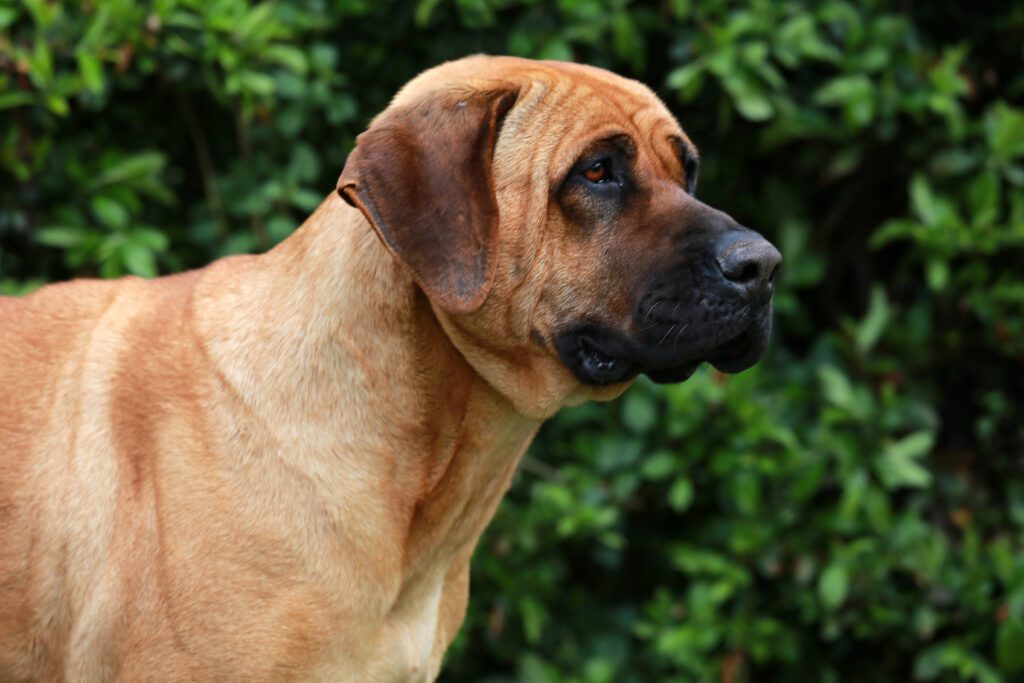

The Tosa Inu is calm, powerful, and deeply loyal. This breed bonds closely with its family and shows quiet confidence at home. A Tosa Inu can be gentle and affectionate with trusted people when it receives steady guidance and consistent training. Careful research matters before you adopt because this large guardian breed needs structure, socialization, and an owner who understands canine body language.
Adoption gives a dog a second chance while also reducing demand for commercial breeding. When you adopt a Tosa Inu in Maine, you help a dog in need and you often gain support from knowledgeable volunteers who understand the breed. Adoption also tends to include essential veterinary care, which protects your new companion from day one.
Maine offers wide open spaces, forest trails, and a slower pace that can suit a thoughtful guardian breed. The climate brings long, cold winters and short, humid summers. A Tosa Inu has a short coat that needs winter protection and limited time outdoors in extreme cold. Summer heat and humidity require shade, cool water, and rest during the warmest hours. Rural properties and quiet neighborhoods fit this breed well, though secure fencing, reliable recall, and strong leash skills remain essential across Maine’s varied terrain.
You can avoid searching shelters and rescues separately by starting with adoption listings through Dog Academy. You can browse available dogs, learn about requirements, and use educational guides and adoption checklists to prepare with confidence. You can also check local animal shelters, regional rescues, and breed-specific rescue groups that serve New England since Tosa Inus are uncommon in Maine and may be housed in foster networks across state lines.
The process starts with browsing listings and reading each profile carefully. You should look for temperament notes, medical history, and lifestyle matches such as tolerance for other dogs or children. When a dog seems like a fit, you complete an application that usually asks for personal references, proof of housing stability, and, if you rent, written permission from your landlord. Many groups also ask for a veterinary reference if you have owned pets before.
After an application review, the next steps often include a meet-and-greet at a shelter or a foster home. Some organizations arrange a meeting with resident pets to assess compatibility. A home check may follow, which can be virtual or in person. The goal is to confirm safe containment, appropriate space, and a plan for daily care. Approval timelines vary, though 1 to 3 weeks is common when a dog is local. If the dog is located out of state, rescues may arrange transport to move dogs between locations. Transport includes coordinated travel with trained volunteers or licensed carriers and may add time to the process.
Once approved, you sign an adoption agreement and pay the fee. Some groups offer a foster-to-adopt option to ensure the match works well. You then schedule a pickup date, review medical records, and receive guidance on decompression, training, and follow-up care. You should plan for a gradual transition at home with a quiet space, a crate or bed, and a predictable routine during the first 2 weeks.
|
How Much Does It Cost to Adopt a Tosa Inu in Maine?Expect adoption fees in Maine to range from $300 to $650 for a Tosa Inu. This range reflects the breed’s rarity in New England and the higher costs that come with large-breed veterinary care. Fees typically include spaying or neutering, vaccinations, microchipping, and veterinary exams. Puppies usually cost more than adults, while seniors tend to cost less. Dogs with professional training may cost more due to the time invested, and dogs recovering from medical treatment may cost more because of additional care. Transport can raise the total if your dog travels from another state. Transport is often arranged by rescues to move dogs between states, and it can include fuel, health certificates, and coordinated logistics. You should also budget for training, food, a well-fitted harness, a sturdy crate, and winter gear for Maine’s cold months. |
How Should I Train a Tosa Inu?The Tosa Inu is intelligent and thoughtful but can be independent. This breed learns quickly when training feels clear, calm, and fair. Positive reinforcement works best. You should reward desired behavior with food, praise, and play, and you should keep sessions short and structured. Focus on foundation skills first. Teach name recognition, attention, loose-leash walking, a strong sit and down, and a reliable recall. Early socialization with controlled, neutral experiences helps this breed feel confident in new places and around new people. Common challenges include pulling, guarding tendencies, and dog selectivity. You can prevent problems by practicing impulse control, reinforcing calm greetings, and using management tools like a front-clip harness. You can build new habits through daily training, clear boundaries, and consistent routines. For step-by-step support, you can use Dog Academy’s online training courses. You can follow guided lessons for leash manners, recall, polite greetings, and confidence building that suit large guardian breeds. |
|
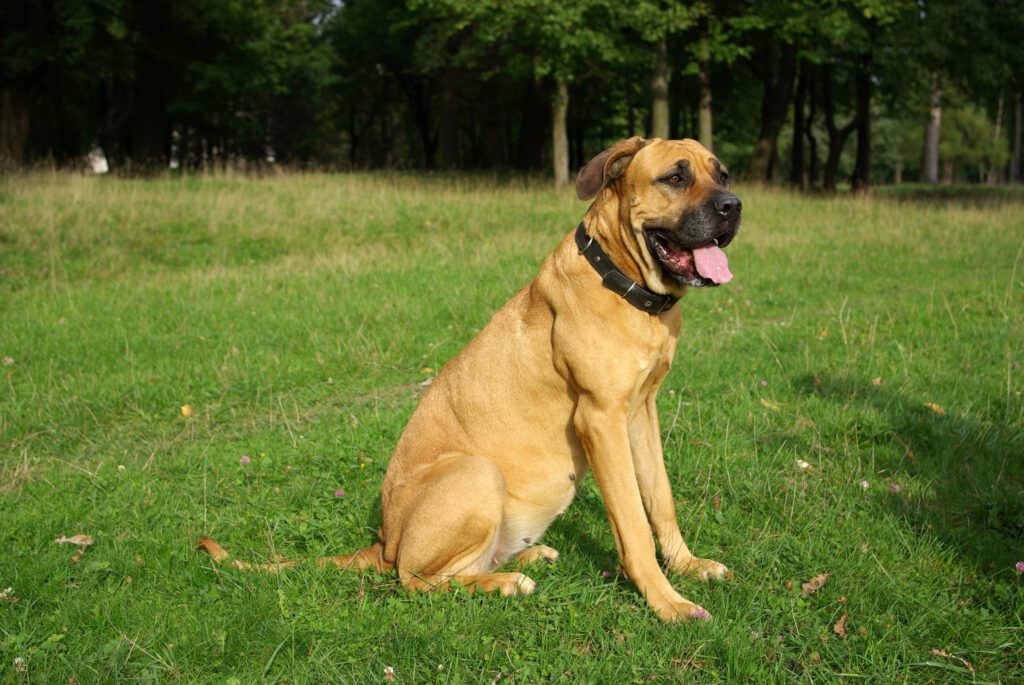
The ideal owner for a Tosa Inu is patient, consistent, and experienced with large dogs. A secure yard, a predictable schedule, and a commitment to daily training set this breed up for success. Preparation matters because the first weeks shape long-term behavior.
Take your time, learn about the breed, and plan for Maine’s weather and terrain. When you are ready, start with Dog Academy to browse adoptable dogs and use trusted resources. With thoughtful research and steady training, you can adopt a Tosa Inu in Maine and build a loyal partnership for years to come.
Introducing a new puppy to your current dog is often an exciting process, and many dogs will become fast friends and eas...
Read More
Rescue dogs can make great companions and can transform your home into something better. These dogs make great pets and ...
Read More
You should never rush to pet a dog. Even dog owners make the mistake of approaching unfamiliar dogs and petting them rig...
Read More
Puppy mill dogs are survivors who have endured extreme hardships in their lives. They have grown up in horrendous, unsan...
Read More
With their wagging tails and comforting presence, adopting a dog can add a unique touch to your life. It’s a heart...
Read More
Older dogs may have a few gray hairs around the edges, but that doesn’t mean they can’t make wonderful companions! T...
Read More