



























































































































































































Introducing a new puppy to your current dog is often an exciting process, and many dogs will become fast friends and eas...
Read MoreAdopt Me

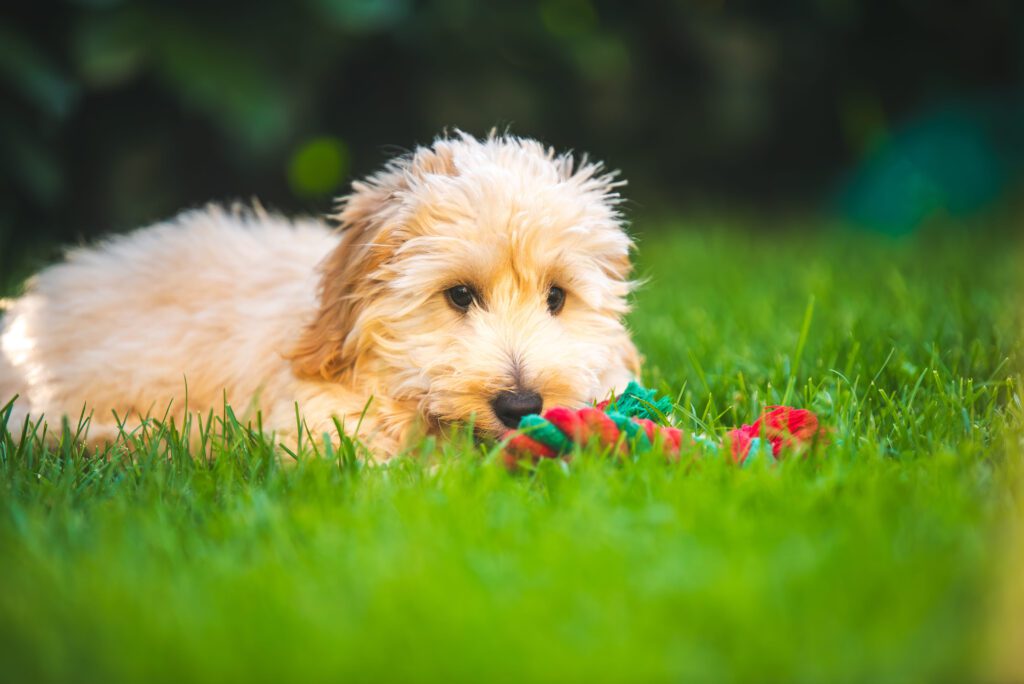


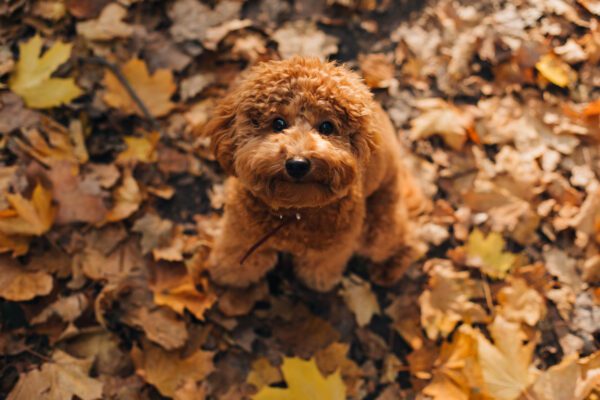
The Australian Labradoodle is affectionate, people oriented, and quick to learn. The breed combines a low-shedding coat with a playful, gentle nature that suits families and active singles. Responsible research always comes first because this dog needs regular grooming, daily exercise, and steady training. Adoption gives a dog a second chance, supports ethical placement, and often provides post-adoption guidance that helps new owners succeed.
Maine can be a great fit for an Australian Labradoodle. Cold winters and snowy sidewalks call for coat management, paw care, and safe footing on ice. Summers along the coast can feel humid, so shade, fresh water, and tick prevention matter. The state’s beaches, forests, and mountain trails offer year-round adventures, though muddy spring conditions make rinse-offs and brushing part of the routine.
City apartments and small-town homes both work when owners commit to daily walks, mental enrichment, and polite leash manners. A yard adds convenience, yet it is not required. The key is consistent activity, social time with people, and quiet downtime inside so the dog rests well after a day in Maine’s varied terrain.
You can skip searching shelters and rescues one by one by using Dog Academy. The platform brings listings together so you can filter by location and breed. You can also use Dog Academy’s educational guides and adoption checklists to prepare your home, gather documents, and plan your first week with your new dog.
Look for adoptable Australian Labradoodles through local animal shelters, regional rescues, breed-specific rescue groups, and foster-based networks. Start by browsing listings, then read each bio carefully. Note the dog’s age, size, energy level, grooming needs, and social history. Ask how the dog behaves with children, other dogs, and cats. Confirm whether the coat is fleece or wool, because coat type influences grooming frequency and mat prevention.
When you find a good match, submit an application. Most organizations request household details, your schedule, a training plan, landlord approval when you rent, and contact information for veterinary and personal references. Many groups verify that resident pets have current vaccinations. Timelines vary by organization and volunteer availability, but approvals often move from application to decision within 1 to 2 weeks after a successful meet-and-greet and a home check.
Meet-and-greets usually happen at a shelter, a neutral outdoor space, or a foster home. Bring all household members and resident dogs so the group can observe introductions. Home checks may be virtual or in person to confirm safe containment, secure storage of household hazards, and a plan for exercise. Some rescues arrange transport between locations when a dog is fostered out of the area. Transport is often arranged by rescues to move dogs between states using volunteer drivers or licensed carriers, and it usually requires a health certificate and a scheduled pickup point in Maine.
|
How Much Does It Cost to Adopt a Australian Labradoodle in Maine?In Maine, expect an Australian Labradoodle adoption fee in the range of $350 to $650. The exact amount depends on age, training, medical care, and demand. Puppies and young adults that already have basic training and recent veterinary care tend to fall near $500 to $650. Senior dogs or dogs with manageable medical needs often range from $350 to $450. Adoption fees usually include spaying or neutering, vaccinations, microchipping, and veterinary exams. Some organizations also include a starter leash, a collar, or a short supply of food. Plan for ongoing grooming on a regular schedule, as well as supplies, a first veterinary visit with your chosen clinic, and a local dog license where required. |
How Should I Train a Australian Labradoodle?The Australian Labradoodle is intelligent, biddable, and eager to please. Positive reinforcement works best, using food rewards, toys, and praise. Keep sessions short and upbeat. Focus first on name recognition, recall, loose-leash walking on icy sidewalks, and polite greetings. Add cooperative care early, including brushing, ear checks, nail trims, and standing calmly on a grooming table. Consistency and clear cues help this breed learn quickly and stay confident. Common challenges include excited jumping, pulling, mouthy play, boredom barking, and stress when left alone. Prevent jumping by rewarding four paws on the floor and by turning away from pushy greetings. Reduce pulling with frequent reward-based reinforcement for walking near your side. Offer chew enrichment and scent games to meet mental needs on stormy days. Build independence with short, structured alone time. For step-by-step guidance, explore Dog Academy’s online training courses, which cover puppy foundations, impulse control, recall, and cooperative grooming skills tailored to real life. |

|
The ideal owner enjoys daily activity in all seasons, follows a consistent schedule, and commits to grooming upkeep and kind training. Families, active retirees, and outdoorsy singles all do well when they provide structure, enrichment, and time for bonding. Thoughtful preparation sets your new dog up for success during the first days in your home.
If you plan to adopt a Australian Labradoodle in Maine, take your time, ask clear questions, and make decisions that fit your lifestyle. Gather supplies, choose a veterinarian, and review training goals in advance. When you are ready, search listings through Dog Academy, then use the training resources to help your new companion settle in with confidence.

Introducing a new puppy to your current dog is often an exciting process, and many dogs will become fast friends and eas...
Read More
Rescue dogs can make great companions and can transform your home into something better. These dogs make great pets and ...
Read More
You should never rush to pet a dog. Even dog owners make the mistake of approaching unfamiliar dogs and petting them rig...
Read More
Puppy mill dogs are survivors who have endured extreme hardships in their lives. They have grown up in horrendous, unsan...
Read More
With their wagging tails and comforting presence, adopting a dog can add a unique touch to your life. It’s a heart...
Read More
Older dogs may have a few gray hairs around the edges, but that doesn’t mean they can’t make wonderful companions! T...
Read More