



























































































































































































Introducing a new puppy to your current dog is often an exciting process, and many dogs will become fast friends and eas...
Read MoreAdopt Me

Miss Chestnut
Hillside, IL
Breed: Nova Scotia Duck-Tolling Retriever
Sex: Female
Age: puppy
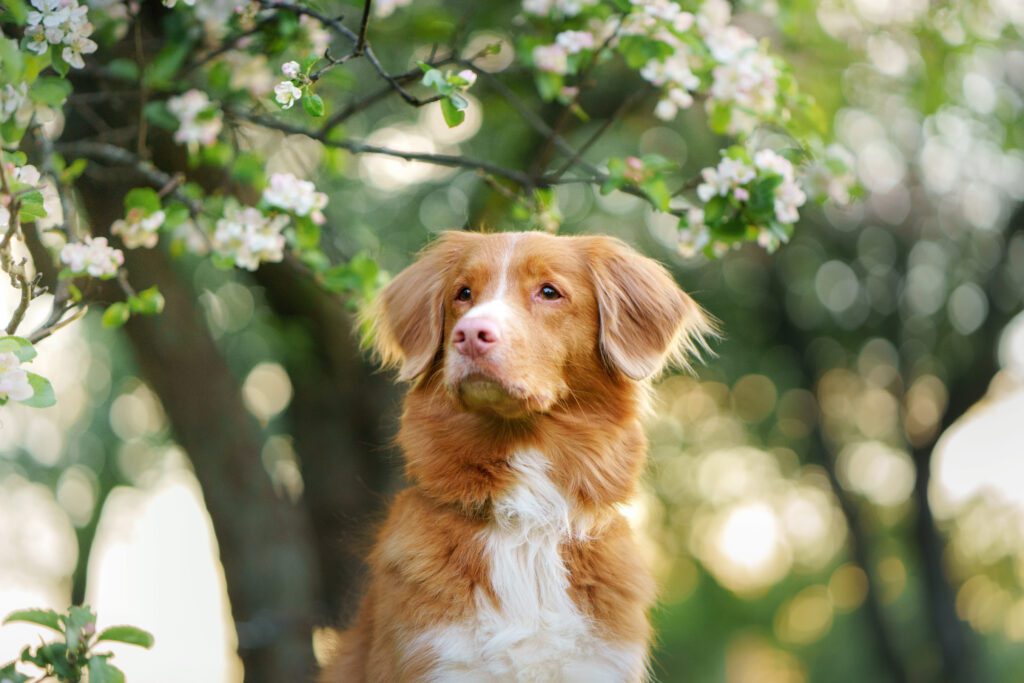



The Nova Scotia Duck Tolling Retriever is an energetic, intelligent, and affectionate companion that loves to work and play. This medium-sized retriever thrives on fetch, water games, and problem solving, and it forms a close bond with its family. A Toller’s bright mind and playful spirit make daily training and enrichment feel rewarding.
Research matters before you adopt. Tollers need consistent exercise, mental stimulation, and kind, clear training. Adoption is often the best path because you give a dog a fresh start while gaining transparency about health and temperament. Many adoptable Tollers already receive core veterinary care and basic assessments, which helps you make a well-informed choice.
Maine suits this breed well. Tollers have a weather-resistant double coat that handles cold, snow, and chilly water, which fits Maine’s long winters and many lakes. The state’s coastline, forests, and trails offer year-round adventures for an active dog. Plan for winter paw protection, snow and ice management, and tick prevention in wooded areas. Summer days still require shade, rest, and fresh water. With the right routine, a Toller can thrive in both rural and urban Maine, including apartments, as long as daily exercise and training stay consistent.
You can avoid searching rescues and shelters separately by browsing Dog Academy for current adoption listings. You can filter by breed and location to quickly spot a good match. You can also explore guides and adoption checklists on Dog Academy to understand each step and prepare your home.
Adoptable Tollers in Maine can appear through local animal shelters, regional rescues, breed-specific rescue groups, and foster networks. Many dogs live in foster homes, which helps gather detailed notes about energy level, house manners, and compatibility with children and other pets. When you find a promising profile, you can request more information to confirm fit.
The process usually starts with browsing listings and submitting an application. Applications often ask about your schedule, fencing, veterinary history, training plans, and landlord permission when you rent. After an initial review, many groups schedule a phone interview and a home check that can be virtual or in person. In Maine, approvals often take 1 to 3 weeks once your application is complete, though puppies can take longer due to high demand.
Next comes a meet-and-greet with all household members and any resident dogs. Meetings can take place at a shelter, a foster home, or a neutral location to reduce stress. Some groups offer a trial period or foster-to-adopt arrangement to confirm compatibility. Adoption is finalized after signing a contract and paying the fee. Bring a secure leash, a well-fitted collar with ID, and a crate to transport your new dog home safely.
If your best match lives outside the immediate area, rescues may arrange transport between locations. Transport can use volunteer drivers or licensed carriers, and it typically requires a veterinary health certificate. Transport schedules can add 1 to 2 weeks to the timeline, and fees may be separate from the adoption fee.

|
How Much Does It Cost to Adopt a Nova Scotia Duck Tolling Retriever in Maine?In Maine, the adoption fee for a Nova Scotia Duck Tolling Retriever typically ranges from $350 to $650. Puppies and young adults usually sit near the top of that range, while seniors often cost less. Fees reflect age, recent training, medical care already provided, and demand for this athletic, versatile breed. Most adoption fees include spaying or neutering, vaccinations, microchipping, and veterinary exams. Costs may rise when a dog receives dental cleaning, diagnostic testing, orthopedic care, or professional training before placement. If transport is arranged to move a dog between states, rescues often add $75 to $200 to cover fuel, health certificates, and logistics. |
How Should I Train a Nova Scotia Duck Tolling Retriever?Tollers are quick learners that excel with positive reinforcement. They respond well to food and toy rewards, clear markers, and short, upbeat sessions. Their natural retrieve drive and love of water create fun training opportunities that build reliable behaviors. Common challenges include high energy, vocal excitement, mouthiness, and sensitivity to harsh corrections. Daily aerobic exercise for 60 to 90 minutes, structured retrieve games, swimming when safe, and scent games help channel energy. Teach impulse control with a solid settle on a mat, loose-leash walking, a fast recall, a clean drop, and a calm greeting routine. Keep sessions brief and engaging, and reinforce quiet behavior to reduce noise. You can build skills step by step with Dog Academy’s online training courses. Courses offer clear progressions for puppy foundations, obedience, recall, leash skills, enrichment, and cooperative care. You can train at home with proven methods that fit a Toller’s sharp mind and active nature. |
|
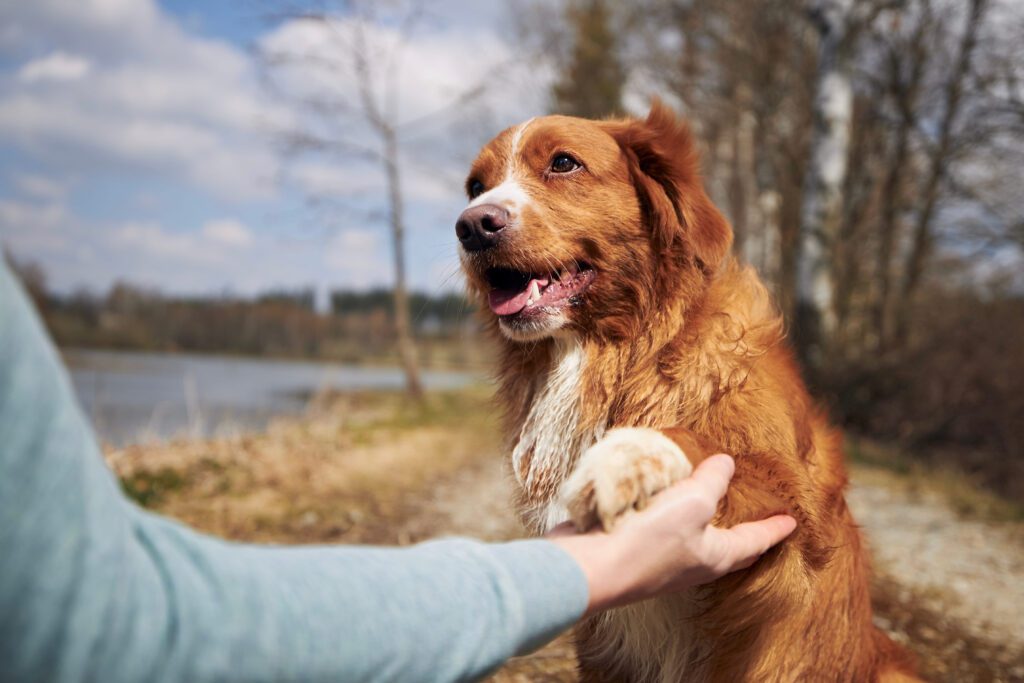
The ideal home for a Toller is an active household that enjoys year-round outdoor time and values consistent training. Owners should be ready for daily exercise, regular grooming for a shedding double coat, and ongoing mental work that keeps this bright retriever focused and fulfilled.
Preparation leads to a smooth transition. Set a realistic budget, gather essential supplies, schedule a veterinary visit, and outline a training plan before pickup day. Take your time, ask detailed questions, and choose the dog that fits your life. When you are ready to adopt a Nova Scotia Duck Tolling Retriever in Maine, start with Dog Academy and build your foundation with trusted training support.

Introducing a new puppy to your current dog is often an exciting process, and many dogs will become fast friends and eas...
Read More
Rescue dogs can make great companions and can transform your home into something better. These dogs make great pets and ...
Read More
You should never rush to pet a dog. Even dog owners make the mistake of approaching unfamiliar dogs and petting them rig...
Read More
Puppy mill dogs are survivors who have endured extreme hardships in their lives. They have grown up in horrendous, unsan...
Read More
With their wagging tails and comforting presence, adopting a dog can add a unique touch to your life. It’s a heart...
Read More
Older dogs may have a few gray hairs around the edges, but that doesn’t mean they can’t make wonderful companions! T...
Read More