
























































































































































Introducing a new puppy to your current dog is often an exciting process, and many dogs will become fast friends and eas...
Read MoreAdopt Me



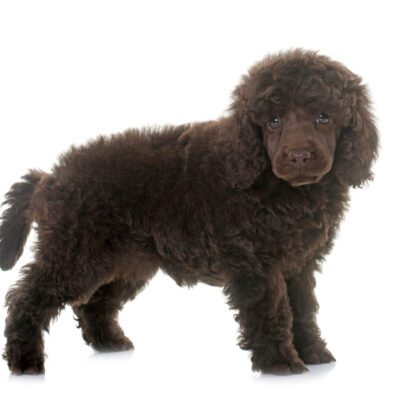
The Toy Poodle is bright, affectionate, and eager to please. This small companion thrives on human connection and daily mental work. The curly, low-shedding coat helps many allergy-conscious families, and the petite size fits well in compact homes. Despite the delicate frame, the Toy Poodle carries a lively spirit and a confident stride.
Thoughtful research leads to a happier match. Learn about exercise needs, grooming routines, diet, and veterinary care before you bring a dog home. Adoption gives a dog a second chance and supports ethical placement. Adopters often meet dogs that have received essential veterinary care and a behavior assessment, which helps the transition into a new home.
Maine offers quiet towns, rugged coastlines, and four true seasons. The cold winter is the main challenge for a Toy Poodle because the breed has minimal body fat and a delicate coat. Short outdoor sessions, warm layers, and indoor play keep a Toy Poodle comfortable when the temperature drops. Many homes in Maine are well suited to this breed because the Toy Poodle enjoys cozy indoor time, gentle walks on safe paths, and regular enrichment in any setting.
You can avoid searching shelters and rescues separately by browsing Toy Poodles through Dog Academy. You can view adoptable dogs from multiple sources in one place, which saves time and reduces stress. You can also use Dog Academy guides and adoption checklists to prepare your home, plan your first week, and set a smooth routine.
Toy Poodles appear through local animal shelters, regional rescues, and breed-specific rescue groups. Start by browsing listings and reading each profile closely. You can check age, size, energy level, medical notes, and location. You can ask questions about behavior, house training, or grooming tolerance to confirm that the dog fits your lifestyle in Maine.
Most organizations ask for an application. You can expect questions about your schedule, your experience with dogs, and your housing. You may need landlord permission if you rent and a veterinary reference if you have pets. Processing usually takes 1 to 3 weeks. Timelines vary based on volunteer capacity, the number of applicants, and the dog’s medical needs.
After an application review, you typically attend a meet-and-greet at a shelter, an adoption center, or a foster home. A meet-and-greet lets you observe the dog’s comfort with handling and new places. Many organizations also complete a home check. A home check is a quick safety review that confirms secure doors, safe stairs, and a suitable plan for winter walks. If approved, you sign an adoption contract, pay the fee, and schedule pickup. Some rescues arrange transport to move dogs between locations when a match is strong. Transport moves a dog safely using staff or vetted volunteers and may add a small fee and a short wait.

|
How Much Does It Cost to Adopt a Toy Poodle in Maine?In Maine, you can expect most Toy Poodle adoption fees to fall between $300 and $550. Fees trend toward the higher end for young adults due to strong demand for small companion breeds. The total reflects prior care, which often includes spaying or neutering, vaccinations, microchipping, and veterinary exams. Age, training, medical care, and demand all affect price. Puppies often cost more due to higher interest and early care. Seniors may cost a bit less, though recent dental work or chronic condition management can raise the fee. A dog with completed house training or professional grooming acclimation may also cost more because that preparation adds value for the adopter. |
How Should I Train a Toy Poodle?The Toy Poodle learns quickly and enjoys problem-solving. Short sessions with clear cues and high-value rewards build skills fast. Positive reinforcement strengthens trust and keeps a sensitive dog engaged. Consistency matters because the breed notices small changes in routine. House training can take extra patience because a small dog has a small bladder. A reliable schedule, frequent outdoor breaks, and crate training support clean habits. Many Toy Poodles alert-bark when they hear hallway noise or visitors. You can teach a quiet cue and reward calm behavior. Prevent separation stress by practicing short absences and providing chew toys, food puzzles, and a cozy rest area. Gentle handling exercises help grooming go smoothly. You can pair nail trims and brushing with treats to build positive associations. For step-by-step guidance at home, explore Dog Academy’s online training courses. You can follow structured lessons that cover obedience, enrichment, and problem prevention for small breeds. |

|
The ideal adopter enjoys daily walks, playful training, and quiet evenings with a lap dog. A good match provides warm winter gear, regular grooming, and steady routines. A Toy Poodle thrives when the home is calm, the schedule is predictable, and the family includes gentle handlers.
Take your time, ask clear questions, and prepare your space before the dog arrives. A thoughtful plan leads to a confident transition and a happy first month. When you feel ready, browse listings through Dog Academy and use expert resources to move from interest to lifelong companionship with confidence.
Introducing a new puppy to your current dog is often an exciting process, and many dogs will become fast friends and eas...
Read More
Rescue dogs can make great companions and can transform your home into something better. These dogs make great pets and ...
Read More
You should never rush to pet a dog. Even dog owners make the mistake of approaching unfamiliar dogs and petting them rig...
Read More
Puppy mill dogs are survivors who have endured extreme hardships in their lives. They have grown up in horrendous, unsan...
Read More
With their wagging tails and comforting presence, adopting a dog can add a unique touch to your life. It’s a heart...
Read More
Older dogs may have a few gray hairs around the edges, but that doesn’t mean they can’t make wonderful companions! T...
Read More