



























































































































































































Introducing a new puppy to your current dog is often an exciting process, and many dogs will become fast friends and eas...
Read MoreAdopt Me

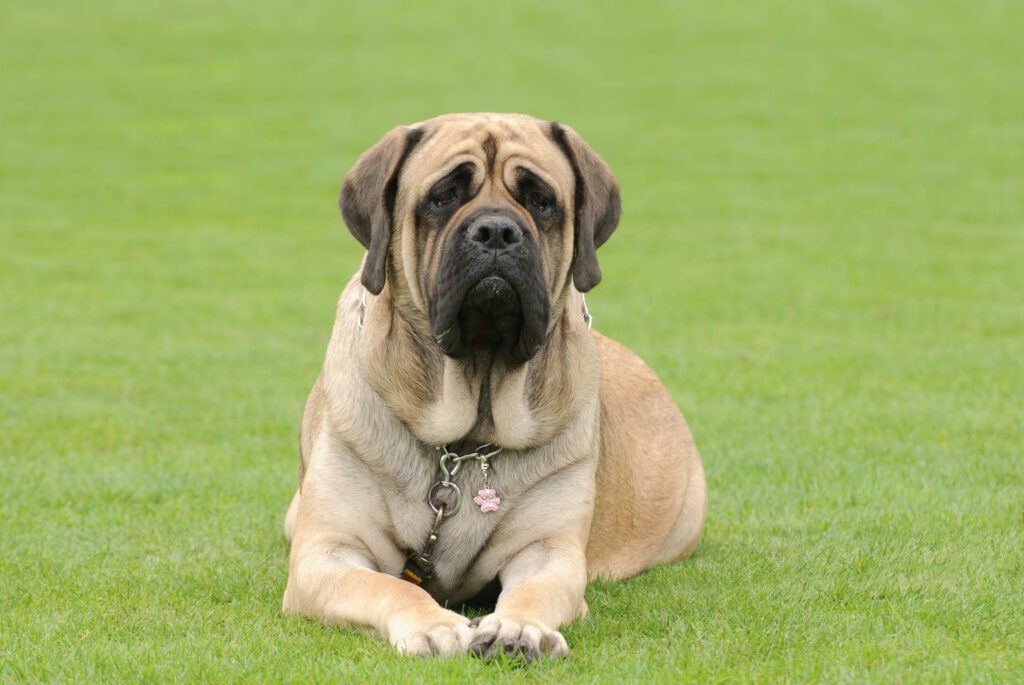

The English Mastiff is a calm, loyal, and deeply devoted companion. This gentle giant is known for a steady temperament, a protective nature, and a desire to stay close to family. The breed’s size brings quiet confidence more than constant activity, which makes the English Mastiff a rewarding choice for adopters who value a relaxed, affectionate dog.
Research matters before you adopt. A mature English Mastiff often weighs well over 100 pounds and needs room to stretch out, sturdy footing, and a routine that protects growing joints. Adoption is a wise path because you gain insight into temperament, size, and any special needs, and you give a deserving dog a second chance. In Maine, the climate adds considerations. Cold winters call for warm indoor housing and nonslip paths, while humid summer days require shade, airflow, and limited mid‑day activity because Mastiffs can overheat quickly.
Maine’s geography can be an asset for a Mastiff who enjoys quiet neighborhoods and ample indoor space. Rural areas offer room to relax, though long drives to veterinarians may require planning. Coastal towns and cities can work well when owners manage stairs, elevators, and building rules that affect large breeds. With preparation, the English Mastiff can thrive in Maine’s lifestyle.
You can avoid searching shelters and rescues one by one by starting with Dog Academy. Dog Academy’s adoption listings gather dogs from local animal shelters, regional rescues, and breed‑specific rescue groups in one place. You can filter for size, age, and location, and you can use Dog Academy’s educational guides and adoption checklists to prepare your home and family for a giant breed.
Begin by browsing listings and reading each profile in full. Look for details about age, health, energy level, and behavior around children and other pets. The English Mastiff needs gentle handling, steady routines, and careful management of stairs and slippery floors. Choose dogs whose needs match your schedule, your home layout, and your experience with large breeds.
Most organizations ask you to complete an application that includes personal references, a veterinarian reference if you have one, and proof that your landlord or homeowners association allows giant breeds. After an initial review, an adoption counselor often schedules a phone or video interview to discuss your lifestyle and expectations. Meet‑and‑greets usually follow and may include all household members and resident pets to ensure a safe introduction.
Home checks can be virtual or in person. The goal is to confirm safe fencing if you have a yard, secure storage of medications and cleaners, and a setup that supports a large dog’s movement and rest. Approval timelines commonly range from 1 to 3 weeks in Maine, though winter weather or travel constraints can extend scheduling. Some groups offer a foster‑to‑adopt period that lets you confirm a solid fit before finalizing.
If you find a great match outside your immediate area, regional rescues sometimes arrange transport to move dogs between locations. Transport is typically coordinated by the rescue using volunteer drivers or professional carriers, and it may include health certificates and scheduled handoffs to ensure the dog travels safely.

|
How Much Does It Cost to Adopt a English Mastiff in Maine?Expect most English Mastiff adoption fees in Maine to fall between $300 and $550. Puppies or dogs that arrive with extensive training or high demand can cost more, and medical outliers can also push fees higher when organizations must recover recent care. Fees generally cover spaying or neutering, vaccinations, microchipping, and veterinary exams. Some groups also include deworming and a starter supply of food or preventatives. Age influences price because puppies draw more applications and require more care. Training can affect fees when adopters receive a dog with completed manners or house training. Medical care such as treatment for orthopedic issues, corrective eye procedures, or dental work can affect costs as well. Demand also plays a role because large, well‑socialized Mastiffs draw strong interest, especially when they do well with children and other dogs. |
How Should I Train a English Mastiff?The English Mastiff is intelligent and eager to please, yet this breed can be slow to mature and strong‑willed. Short, upbeat sessions work best. Use positive reinforcement and reward calm behavior, loose‑leash walking, and polite greetings. Harsh corrections can shut down a sensitive Mastiff, while gentle guidance builds trust and reliability. Focus on foundation skills that make daily life safe and simple. Teach leash manners, recall, settle on a mat, and wait at doors. Practice impulse control around food bowls and toys, and reinforce relaxed behavior when visitors arrive. Socialize early and steadily with friendly people and well‑matched dogs to reduce fearfulness and to prevent pushy behavior. Because Mastiffs are heavy, prioritize joint‑friendly training. Keep floors nonslip, avoid repetitive jumping, and build strength with controlled walks. Crate training, cooperative care for grooming, and muzzle conditioning are wise skills for any giant breed. For step‑by‑step guidance, explore Dog Academy’s online training courses, which offer lessons on manners, leash skills, confidence building, and behavior troubleshooting tailored to real‑life homes. |

|
The ideal adopter is patient, consistent, and comfortable guiding a very large dog. A good fit includes space for sprawling naps, time for daily walks, reliable transportation for veterinary visits, and a budget for giant‑breed food and care. Families that welcome calm companionship and do not mind drool and shedding often find the English Mastiff to be a perfect match.
Preparation leads to success. Take time to read profiles carefully, ask clear questions, and set up your home before the first day. When you move at a thoughtful pace and use trusted resources, you will adopt with confidence and bring home an English Mastiff in Maine who fits your life for years to come.

Introducing a new puppy to your current dog is often an exciting process, and many dogs will become fast friends and eas...
Read More
Rescue dogs can make great companions and can transform your home into something better. These dogs make great pets and ...
Read More
You should never rush to pet a dog. Even dog owners make the mistake of approaching unfamiliar dogs and petting them rig...
Read More
Puppy mill dogs are survivors who have endured extreme hardships in their lives. They have grown up in horrendous, unsan...
Read More
With their wagging tails and comforting presence, adopting a dog can add a unique touch to your life. It’s a heart...
Read More
Older dogs may have a few gray hairs around the edges, but that doesn’t mean they can’t make wonderful companions! T...
Read More