



























































































































































































Introducing a new puppy to your current dog is often an exciting process, and many dogs will become fast friends and eas...
Read MoreAdopt Me


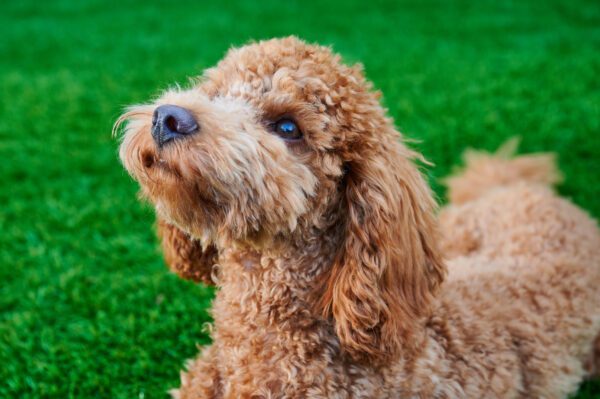
Miniature Poodles are bright, affectionate, and eager to please. The breed brings sharp intelligence, low shedding, and a playful spirit that fits active households and quieter homes. A Miniature Poodle thrives on mental stimulation and daily interaction, which makes the breed a rewarding companion for families, singles, and seniors.
Research ensures a good match. Understanding grooming needs, exercise requirements, and temperament helps you make a choice that fits your lifestyle for the long term. Adoption gives a great dog a second chance while supporting responsible animal welfare. You also gain insight from caretakers who know each dog’s energy level, training progress, and any special needs.
Maine’s climate and geography shape daily life with a Miniature Poodle. Winters are long and snowy, which means your dog benefits from a warm coat or sweater, paw protection, and indoor enrichment on stormy days. Summers can be mild on the coast and warmer inland, so early walks and shaded play help keep your dog comfortable. Maine’s lakes, trails, and seaside paths invite regular exercise, while good tick prevention and year-round parasite control keep your dog healthy outdoors. The breed’s compact size and adaptable nature suit apartments, suburban homes, and rural properties as long as you provide consistent activity and companionship.
You can skip separate searches of shelters and rescues by using Dog Academy. Browse updated adoption listings, filter by location, and learn about each dog’s age, size, and personality in one place. Dog Academy also provides educational guides and adoption checklists that help you prepare with confidence.
Adoptable Miniature Poodles may be found through local animal shelters, regional rescues, and breed-specific rescue groups. Listings usually include bios that describe temperament, exercise needs, grooming history, and any medical updates. Read each profile closely so you can match your experience, schedule, and home environment to the dog’s needs.
The process typically starts online. You browse listings, submit an application, and include details about your household, schedule, and prior dog experience. Many groups request personal references, a veterinarian reference, and landlord permission if you rent. Most organizations schedule a meet-and-greet to observe compatibility with all family members and other pets.
Home checks are common. A volunteer or staff member confirms that your space is safe and that you can meet exercise, training, and grooming needs. Some groups complete this step virtually, which means a video call replaces an in-person visit. Approval timelines vary by organization and by the number of applications, though many adoptions move from application to pickup within 1 to 3 weeks.
If your chosen dog is not local, rescues sometimes arrange transport to move dogs between locations. Transport is often coordinated by volunteers or professional drivers who move dogs along set routes and meet adopters at agreed pickup points. You receive instructions on timing, required supplies, and final paperwork before the handoff.
|
How Much Does It Cost to Adopt a Miniature Poodle in Maine?Most Miniature Poodle adoption fees in Maine fall between $350 and $650. Puppies and highly in-demand dogs tend to sit at the top of that range. Adults usually land in the middle, while seniors often fall toward the lower end. Fees reflect age, prior training, recent medical care, and local demand. Costs also align with services included in the adoption, such as spaying or neutering, vaccinations, microchipping, and veterinary exams. Rescues that provide dental cleanings, grooming before placement, or treatment for conditions like ear infections may price slightly higher within the same range. Transparent fee breakdowns help you understand what has already been covered so you can plan for future grooming, training, food, and preventive care. |
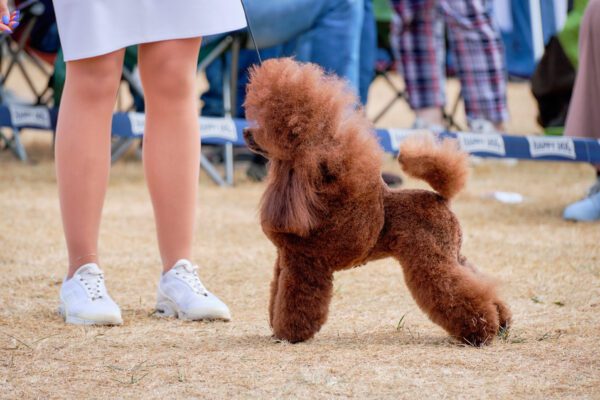
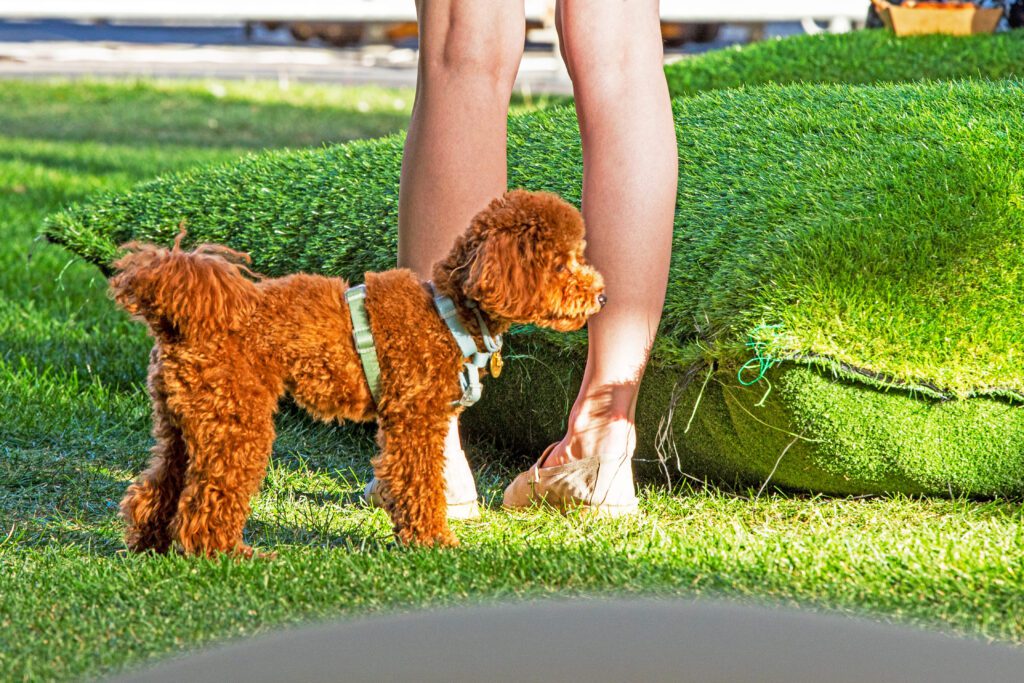
How Should I Train a Miniature Poodle?Miniature Poodles learn quickly and enjoy problem solving. The breed responds best to positive reinforcement that uses treats, praise, toys, and clear markers like a clicker or a consistent verbal cue. Short sessions that mix obedience, tricks, and nose work keep the dog engaged and confident. Early socialization builds comfort with Maine-specific sights and sounds, which include snowplows, coastal traffic, and wildlife. Common challenges include alert barking, sensitivity to rough handling, and boredom that leads to mischief. Daily mental enrichment solves many issues. Rotate puzzle feeders, practice leash manners, and schedule calm rest after active play. If you want a structured plan, Dog Academy’s online training courses provide step-by-step lessons for obedience, leash skills, crate comfort, polite greetings, and problem prevention. Clear guidance helps you channel the breed’s intelligence into reliable manners at home and in public. |
|
The ideal adopter enjoys daily walks, interactive play, and regular grooming. A Miniature Poodle thrives with people who value training time and who keep a steady routine. Preparation matters. Set up supplies, schedule grooming, and plan exercise and enrichment before your dog comes home.
Take your time, ask detailed questions, and trust the process. When you adopt a Miniature Poodle in Maine with careful research and patient training, you set the stage for a healthy, happy partnership that lasts for years.

Introducing a new puppy to your current dog is often an exciting process, and many dogs will become fast friends and eas...
Read More
Rescue dogs can make great companions and can transform your home into something better. These dogs make great pets and ...
Read More
You should never rush to pet a dog. Even dog owners make the mistake of approaching unfamiliar dogs and petting them rig...
Read More
Puppy mill dogs are survivors who have endured extreme hardships in their lives. They have grown up in horrendous, unsan...
Read More
With their wagging tails and comforting presence, adopting a dog can add a unique touch to your life. It’s a heart...
Read More
Older dogs may have a few gray hairs around the edges, but that doesn’t mean they can’t make wonderful companions! T...
Read More