























































































































































Introducing a new puppy to your current dog is often an exciting process, and many dogs will become fast friends and eas...
Read MoreAdopt Me

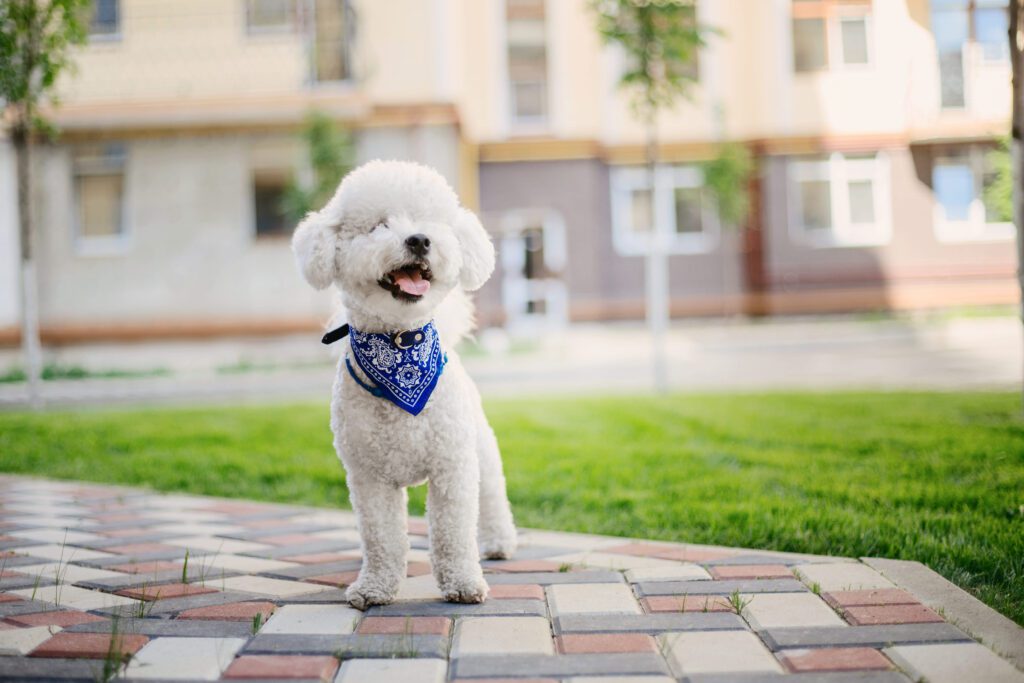
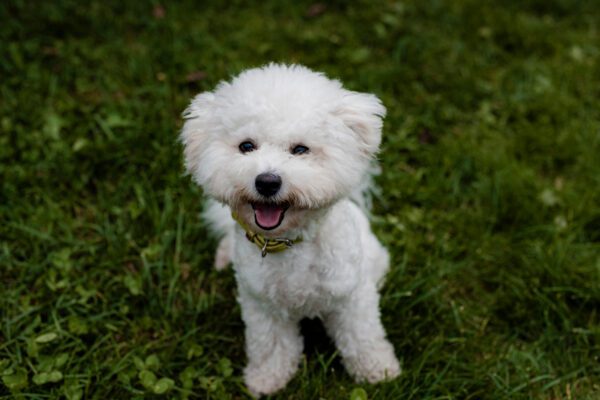
The Bichon Frise is a cheerful, people-focused companion that loves to learn and to cuddle. This small dog stays playful for years, enjoys gentle exercise, and usually gets along well with polite children and other pets. The soft, curly coat sheds very little, which can help many allergy-sensitive households, though grooming needs are consistent.
Smart adopters study the breed before bringing a dog home. The Bichon Frise thrives on attention, needs regular brushing and professional grooming, and can become vocal or anxious when left alone for long hours. Adoption gives a deserving dog a second chance, reduces pressure on overcrowded shelters, and often provides helpful behavioral notes from foster caretakers that you will not get when buying.
Alabama’s hot, humid climate means a Bichon Frise must live mostly indoors with air conditioning and shaded outdoor time. Coastal humidity and summer heat require short walks during cooler hours and plenty of water. The breed adapts well to apartments and suburban homes across Alabama, provided it receives daily walks, indoor play, and mental enrichment. Rural life can suit a Bichon Frise too, as long as the dog remains supervised and protected from heat, pests, and rough terrain.
You can avoid searching rescues and shelters one by one by starting with the listings at Dog Academy. The page gathers adoptable Bichon Frise dogs from local animal shelters, regional rescues, and breed-specific rescue groups across Alabama and nearby states in one place. You can also find clear educational guides and simple adoption checklists that help you prepare for your new dog.
Begin by browsing available dogs and reading each profile carefully. Look for notes about temperament, medical history, energy level, and any training progress. Confirm grooming history and coat condition, since matting can affect comfort and care needs. If a dog is in a foster home, ask about house manners, crate skills, and how the dog behaves when left alone.
Most shelters and rescues use an application to ensure a safe match. Expect to share basic identification, proof of home ownership or landlord approval, and personal or veterinary references. Many groups schedule a meet and greet so every family member can interact with the dog in a calm setting. Some groups complete a home check, which can be virtual or in person, to confirm secure fencing or safe indoor spaces. Approval timelines vary, but many decisions happen within 3 to 10 days based on references, scheduling, and the number of applicants.
After approval, you will sign an adoption agreement and pay the fee. Some groups offer a trial placement to ensure the fit remains strong for both the dog and your family. If your new dog is located outside your immediate area, rescues sometimes arrange transport to move dogs between locations. Transport is often coordinated with volunteer drivers or professional carriers, and it usually requires a health certificate from a veterinarian before travel. Pickup instructions and arrival times are clearly communicated, and your rescue contact will guide you through the process.

|
How Much Does It Cost to Adopt a Bichon Frise in Alabama?In Alabama, you can expect to pay about $150 to $450 to adopt a Bichon Frise. Fees trend lower than national averages due to regional costs, while demand for small companion dogs can keep well-socialized adults near the middle of the range. Puppies and recently groomed purebred dogs often sit at the higher end, while seniors or dogs with special needs may be lower. Adoption fees usually include spaying or neutering, vaccinations, microchipping, and veterinary exams. Costs also reflect age, current training, recent medical care, and overall demand. Extra services can include heartworm testing and deworming, which add value for adopters and support a healthy start. |
How Should I Train a Bichon Frise?The Bichon Frise is intelligent, food motivated, and eager to please. Positive reinforcement works best. Reward calm behavior, short bursts of focus, and gentle handling during grooming. Keep sessions short and upbeat, rotate rewards, and end on a win to maintain enthusiasm. Common challenges include house training, attention barking, and sensitivity to harsh corrections. A consistent potty schedule, strategic crate use, and frequent outdoor breaks help house training succeed. Teach a quiet cue paired with rewards for calm moments, and provide daily mental enrichment through puzzle feeders and easy scent games. Handling practice for brushing, ear checks, and nail trims prevents stress at the groomer. If you want step-by-step help, explore Dog Academy’s online training courses. The lessons show you how to build reliable manners, reduce anxiety, and create a grooming routine that keeps your Bichon Frise comfortable and confident. |
|
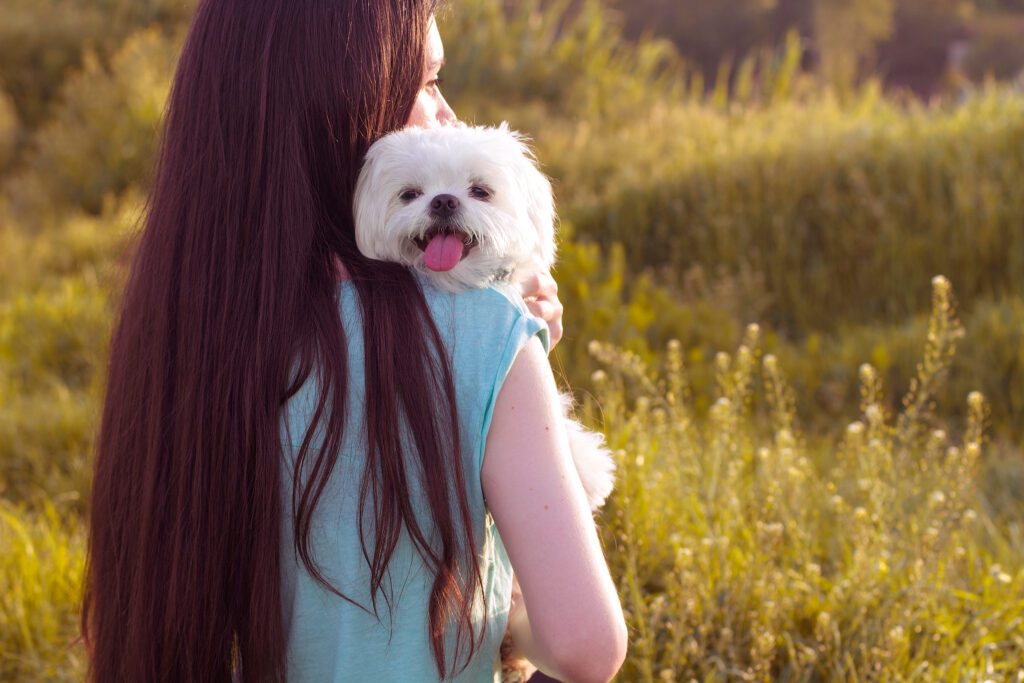
The ideal adopter enjoys close companionship, has time for daily walks and indoor play, and can commit to regular brushing and professional grooming every 4 to 6 weeks. Families, retirees, and first-time owners who value routine and patient training often thrive with this breed.
Prepare your home, gather supplies, and learn about the breed before you apply. Take your time, ask detailed questions, and trust the process. With thoughtful research and the right match, you will adopt a Bichon Frise in Alabama that fits your life and fills your home with joy.
Introducing a new puppy to your current dog is often an exciting process, and many dogs will become fast friends and eas...
Read More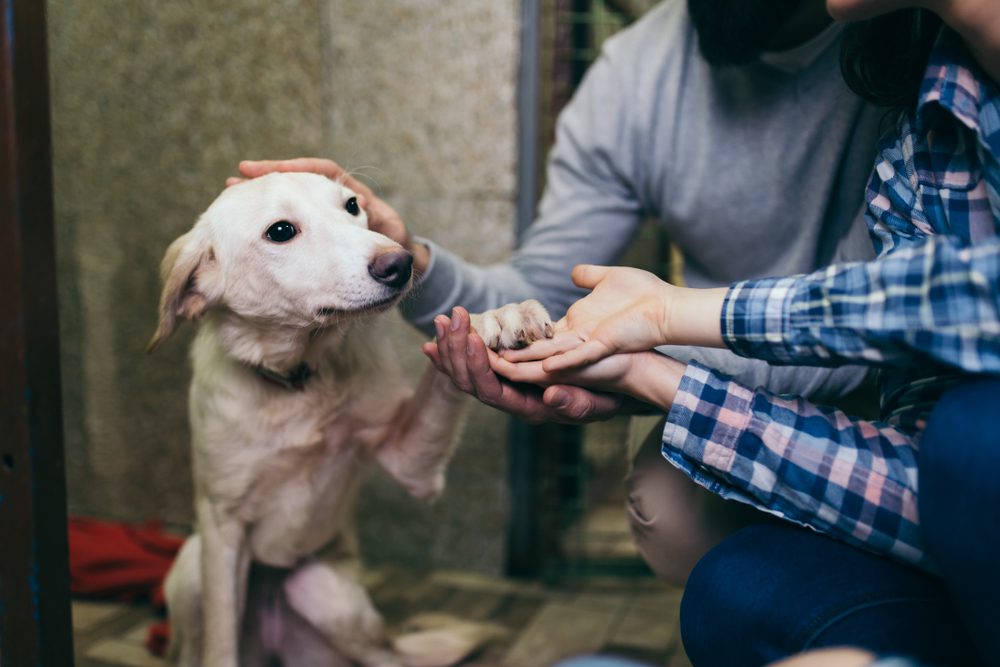
Rescue dogs can make great companions and can transform your home into something better. These dogs make great pets and ...
Read More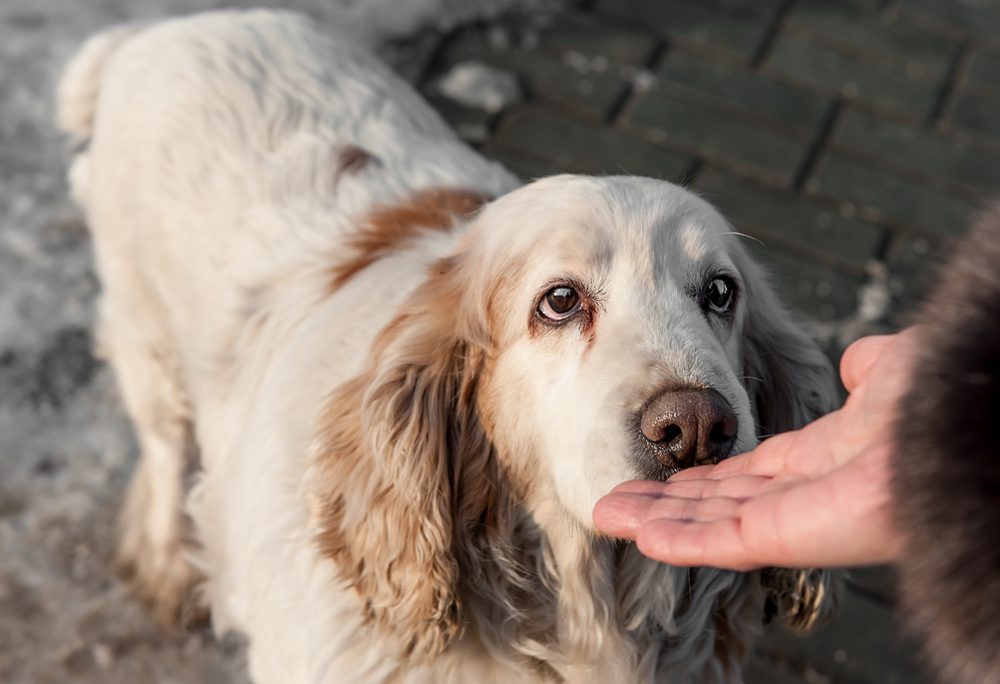
You should never rush to pet a dog. Even dog owners make the mistake of approaching unfamiliar dogs and petting them rig...
Read More
Puppy mill dogs are survivors who have endured extreme hardships in their lives. They have grown up in horrendous, unsan...
Read More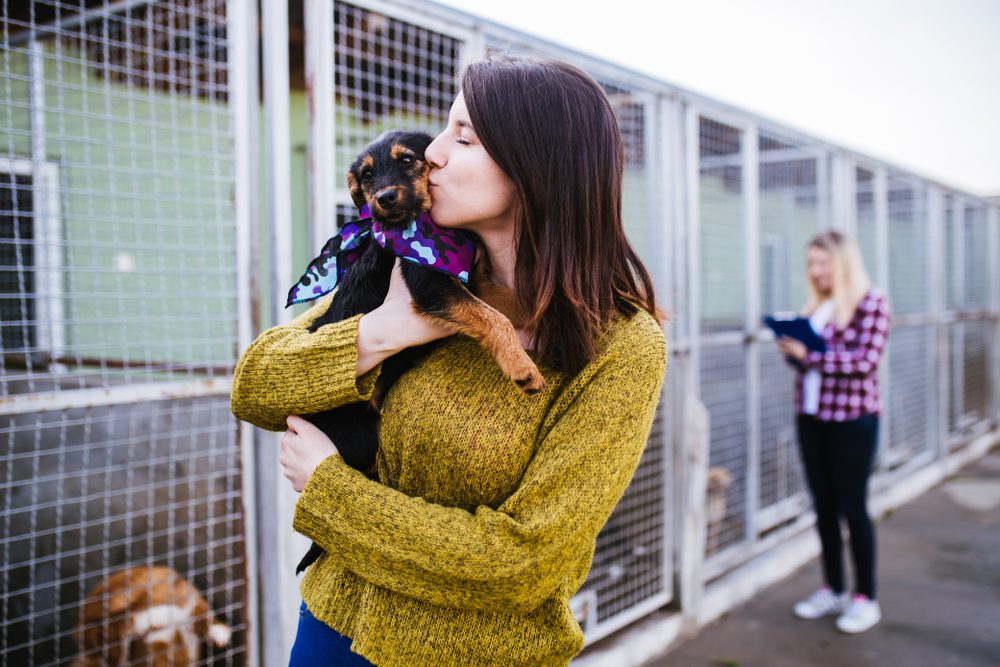
With their wagging tails and comforting presence, adopting a dog can add a unique touch to your life. It’s a heart...
Read More
Older dogs may have a few gray hairs around the edges, but that doesn’t mean they can’t make wonderful companions! T...
Read More