


























































































































































































Introducing a new puppy to your current dog is often an exciting process, and many dogs will become fast friends and eas...
Read MoreAdopt Me

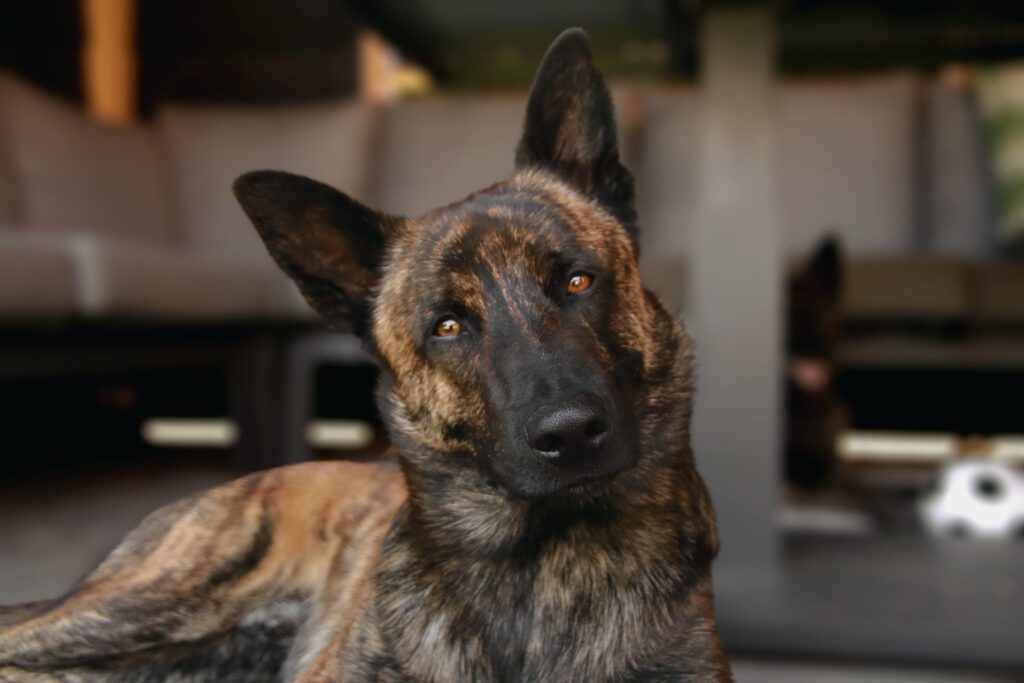
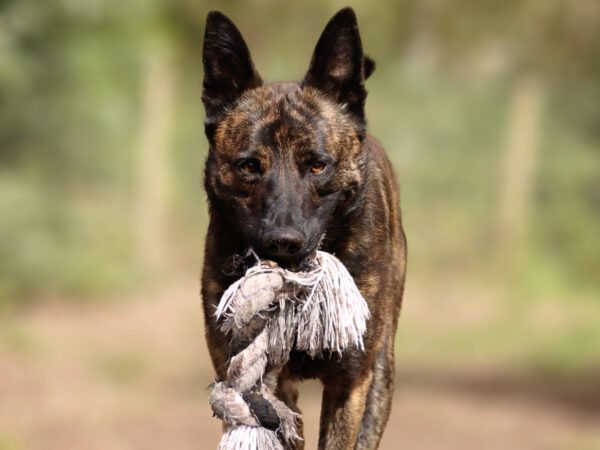
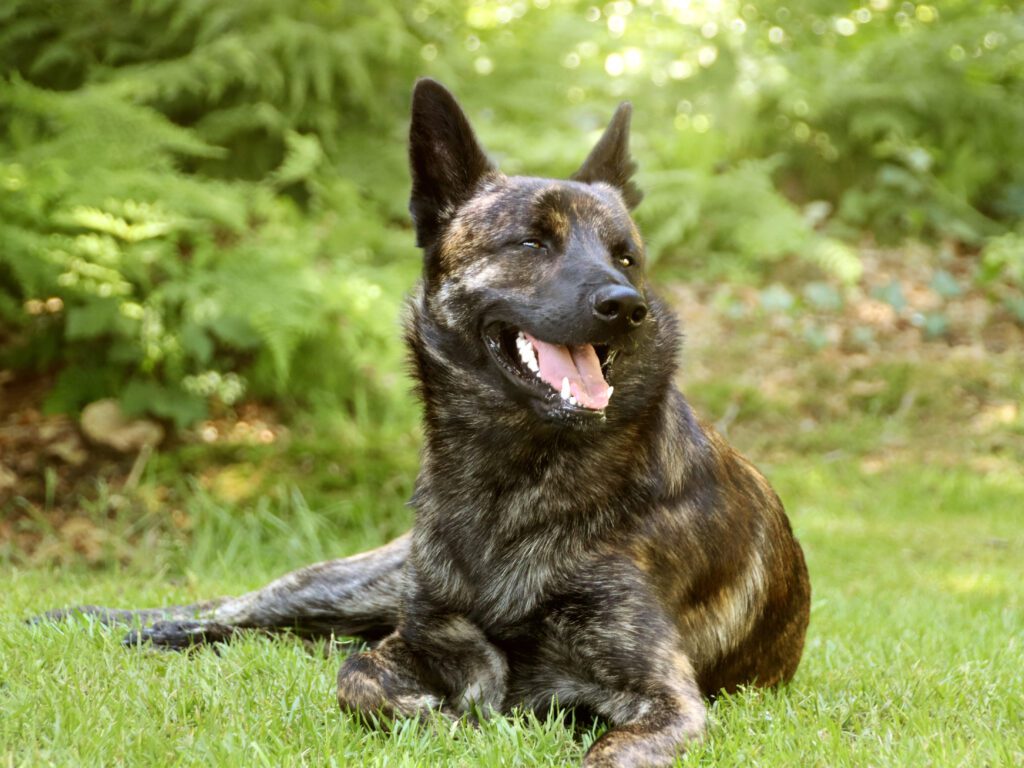
Dutch Shepherds are agile, intelligent, and deeply loyal. The breed excels at problem solving and thrives when given daily work. Many families choose this breed for its athleticism, quick learning, and natural desire to bond. Careful research matters because Dutch Shepherds need structure, consistency, and meaningful exercise to stay calm and content.
Adoption helps a dog in need while supporting responsible animal welfare. Adopted dogs often arrive with essential veterinary care completed, which makes the transition easier and safer. Alabama offers plenty of space for training and play, with rural land, suburban neighborhoods, and trails that suit an active routine. The state’s hot and humid summers require smart planning. Dutch Shepherds need shade, fresh water, and cooler exercise times during early morning or evening hours in order to avoid overheating.
You can avoid searching rescues and shelters separately by using Dog Academy to browse adoption listings across Alabama and nearby regions. You can also use Dog Academy guides and adoption checklists to prepare your home, gather documents, and understand each step before you apply. You can still contact local animal shelters, regional rescues, and breed-specific rescue groups in Alabama, but centralized listings save time and help you compare good matches quickly.
Start by browsing current profiles and reading each description closely. Focus on energy level, training history, medical notes, and lifestyle needs. Dutch Shepherds are high-drive working dogs that need daily physical exercise and mental engagement. Ask about temperament around children, other dogs, and small animals. Confirm whether the dog enjoys hiking, running, and structured training, since these activities match the breed well in Alabama’s varied terrain.
Most organizations use a similar process. You submit an application with references, proof of housing, and landlord approval if you rent. A coordinator reviews the application and schedules a phone interview to discuss experience, daily routine, and training plans. You then attend a meet-and-greet to assess compatibility. Bring family members and resident dogs if the organization requests it. Many groups conduct a home check. The check can be virtual or in person and confirms safe fencing, secure gates, and an area to crate and rest. Approval timelines vary by group, but many decisions arrive within 1 to 3 weeks depending on demand and volunteer availability. Some programs offer a trial adoption so that both the dog and the family can test the fit with support.
Availability changes quickly because Dutch Shepherds are not common in shelters. If you do not see a match locally, ask about waitlists and alerts through the listing service. Rescues may arrange transport to move dogs between states or shelters so that approved adopters can meet suitable dogs. Transport usually involves coordinated volunteer drivers or licensed carriers who move the dog along a planned route, with health certificates and safe rest stops included.
|
How Much Does It Cost to Adopt a Dutch Shepherd in Alabama?Most adopters in Alabama can expect to pay about $200 to $450 for an adult Dutch Shepherd through a rescue or shelter. Puppies and young adolescents often cost about $300 to $550 because demand is higher and because early veterinary care is more extensive. Fees vary based on age, prior training, medical care provided, and regional demand for the breed. Adoption fees usually include spaying or neutering, vaccinations, microchipping, and veterinary exams. Fees can rise when a dog receives heartworm treatment, orthopedic care, or behavior support before placement. Costs can also increase when a dog has completed foundational obedience or crate training. Rarer availability in Alabama can push prices toward the top of the range, especially when transport or specialized evaluations are included. |
How Should I Train a Dutch Shepherd?Dutch Shepherds are highly intelligent and eager to learn, which makes training productive and fun. The breed responds best to clear structure, short sessions, and high-value rewards. Use positive reinforcement, marker training, and consistent criteria. Teach impulse control skills such as settle on a mat, polite leash walking, and reliable recall. Add scent games, puzzle feeding, and focused obedience drills to keep the mind engaged. Common challenges include herding behavior, mouthiness during play, reactivity from frustration, and destructive chewing when under-exercised. Prevent problems by meeting daily needs. Plan at least 60 to 90 minutes of mixed physical and mental work, split into morning and evening during hot Alabama months. Rotate activities like hiking on shaded trails, controlled fetch, nose work, and structured tug. If you want extra support, explore Dog Academy’s online training courses for step-by-step lessons that fit busy schedules and different experience levels. |
|
The ideal adopter enjoys active routines, clear communication, and daily training. A Dutch Shepherd thrives with someone who values structure, invests time in enrichment, and provides safe outlets for energy. A secure yard is helpful, but committed exercise and training matter more than yard size.
Prepare your home, gather supplies, and confirm a veterinary plan before you apply. Take your time, ask detailed questions, and wait for a dog whose needs match your lifestyle. When you are ready to adopt a Dutch Shepherd in Alabama, use Dog Academy listings and guides to move forward with confidence and care.

Introducing a new puppy to your current dog is often an exciting process, and many dogs will become fast friends and eas...
Read More
Rescue dogs can make great companions and can transform your home into something better. These dogs make great pets and ...
Read More
You should never rush to pet a dog. Even dog owners make the mistake of approaching unfamiliar dogs and petting them rig...
Read More
Puppy mill dogs are survivors who have endured extreme hardships in their lives. They have grown up in horrendous, unsan...
Read More
With their wagging tails and comforting presence, adopting a dog can add a unique touch to your life. It’s a heart...
Read More
Older dogs may have a few gray hairs around the edges, but that doesn’t mean they can’t make wonderful companions! T...
Read More