



























































































































































































Introducing a new puppy to your current dog is often an exciting process, and many dogs will become fast friends and eas...
Read MoreAdopt Me

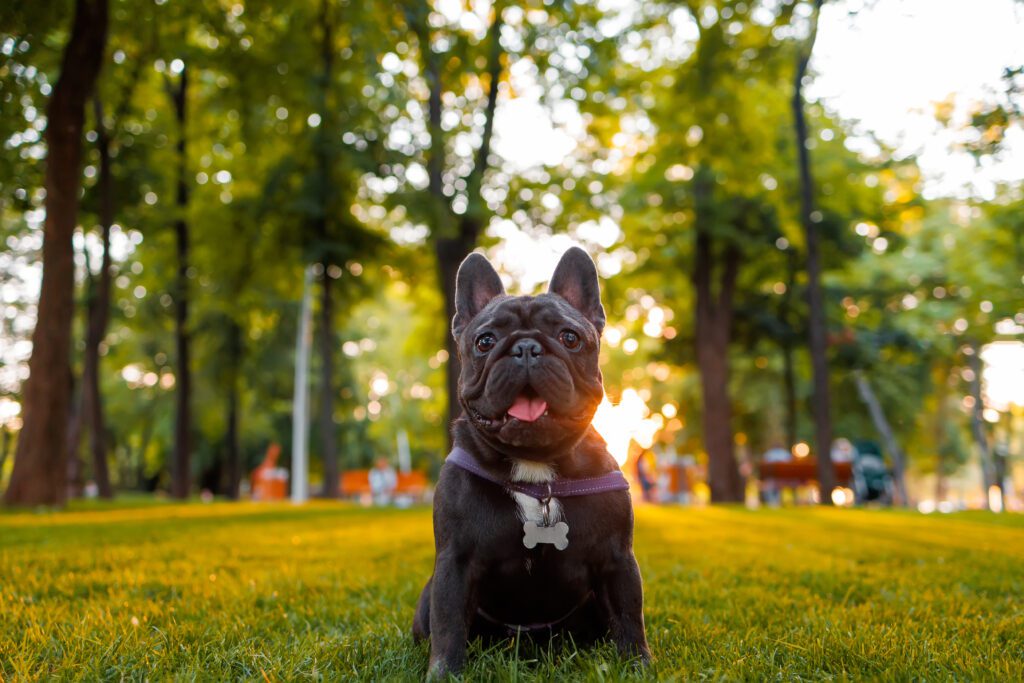



A Blue French Bulldog is a compact, affectionate companion that loves human company and thrives on a calm routine. The breed is playful, people focused, and usually content with short daily walks and plenty of indoor time. Many people admire the blue coat, yet the true appeal comes from the dog’s laid-back personality and charming expression.
Research matters before you adopt. A Blue French Bulldog is a brachycephalic dog that needs climate control, gentle exercise, and consistent veterinary care. Adoption is a smart choice because adoptable dogs have already received basic vetting and behavior evaluations, and your fee supports life-saving work rather than high-volume breeding focused on color trends.
Alabama offers mild winters and long, humid summers. Heat and humidity are tough for short-nosed dogs, so an Alabama adopter must plan for air conditioning, shaded potty breaks, and walks during cooler hours. The state’s coastal air, rolling hills, and abundant green spaces create many places to explore, yet these outings must stay short and safe. Mosquitoes are common throughout Alabama, which increases heartworm risk, so year-round prevention is essential for this breed.
You can skip calling multiple shelters one by one because you can browse adoptable Blue French Bulldogs in one place through Dog Academy. You can search by location, learn about each dog’s needs, and request updates when new matches appear. You can also use Dog Academy’s educational guides and adoption checklists to prepare your home, review questions to ask, and plan your first week.
Adoptable Blue French Bulldogs in Alabama are typically found through local animal shelters, regional rescues, breed-specific rescue groups, and foster-based networks. Foster homes provide daily care in a private residence, which gives detailed insights into a dog’s behavior, house manners, and medical needs. These groups often coordinate across counties to help high-demand breeds reach the right adopters.
The process usually starts with browsing listings and submitting an application. Applications often ask for personal references, a landlord contact or proof of home ownership, a veterinarian reference if you have had pets, and a plan for daily care. After screening, most groups schedule a meet-and-greet for all household members, including resident dogs. Many organizations complete a home check, which may be a virtual video tour or a short in-person visit to confirm safety features like secure doors and safe stairs. Timelines vary based on scheduling and background checks, and most approvals happen within a few days to a few weeks.
Some rescues arrange transport to move dogs between locations when a better match is found. Transport is a coordinated trip by car or van that safely relocates a dog to a foster home or an approved adopter. When you are approved, you will sign an adoption contract, pay the fee, and set a pickup or delivery plan. Post-adoption support is often available to help you settle the dog into your routine.
|
How Much Does It Cost to Adopt a Blue French Bulldog in Alabama?In Alabama, most shelters and rescues place Blue French Bulldogs for $350 to $800. Fees trend higher for this breed because veterinary care can be intensive and demand is strong. Costs reflect what the organization has invested in the dog, which often includes spaying or neutering, vaccinations, microchipping, and veterinary exams. Many dogs also receive dental work, heartworm testing, and treatment for skin or allergy issues common to the breed. Age, training, medical history, and demand influence the final fee. Younger dogs and fully house-trained dogs often cost more. Dogs that receive advanced care, such as airway evaluations or allergy treatment, may also carry higher fees because the group must recover medical expenses. Color does not change a rescue fee directly, but high interest in blue-coated dogs can affect wait times and adoption competition in Alabama. |
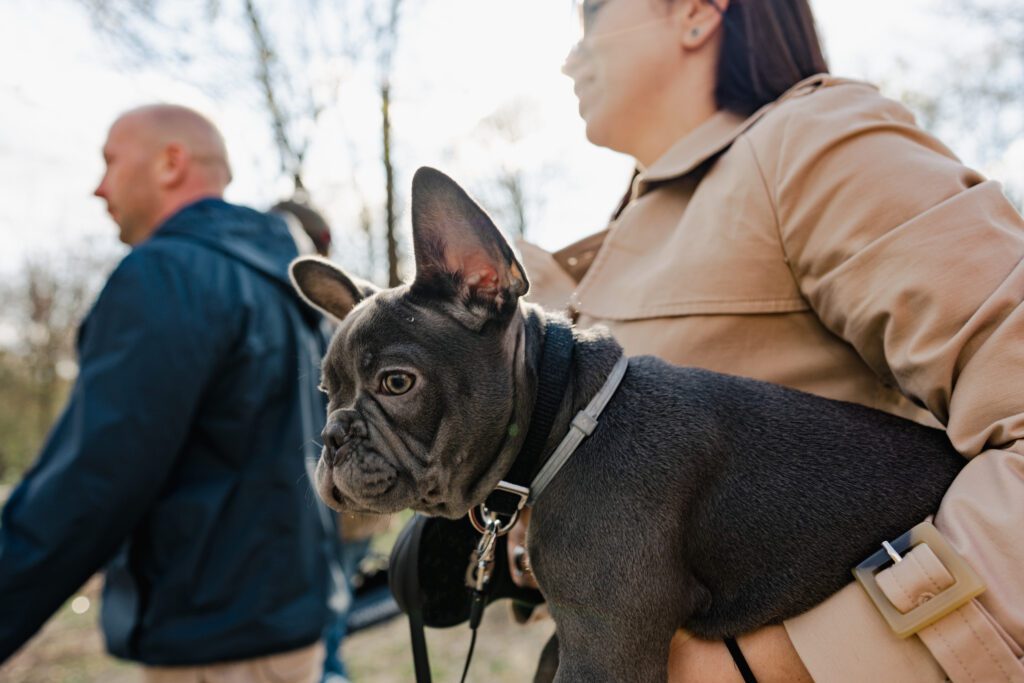
How Should I Train a Blue French Bulldog?A Blue French Bulldog is intelligent and food motivated, which makes training fun when you use short, upbeat sessions. The breed learns best with positive reinforcement, clear rewards, and simple steps. Consistency matters because a French Bulldog can be a little stubborn when cues feel confusing or sessions run too long. Focus on house training, crate training, loose-leash walking, and calm greetings. Keep sessions brief to protect breathing, and use a harness instead of a collar for leash work. Socialize your dog with friendly people, quiet streets, and gentle dogs to build confidence. Reward silence and settle time to reduce demand barking and to prevent separation stress. For a structured plan you can follow at home, explore Dog Academy’s online training courses, which break skills into small steps and include guidance tailored to companion breeds. |
|
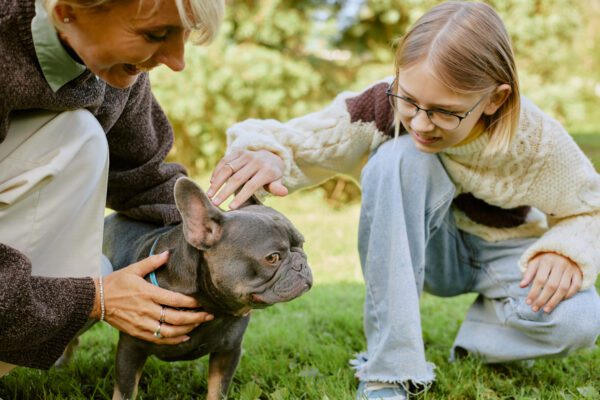
The ideal adopter wants a close companion, lives in a climate-controlled home, and enjoys short walks and longer cuddle sessions. A good match can budget for routine veterinary care and can watch heat exposure carefully during Alabama summers. Preparation sets you up for success, which includes a safe space at home, a plan for potty breaks, and time for a gradual introduction to your routine.
Take your time, ask questions, and look for a dog whose needs fit your lifestyle. When you are ready to adopt a Blue French Bulldog in Alabama, use Dog Academy to search, learn, and plan every step. A thoughtful approach helps you welcome a healthy, happy companion who will thrive by your side.

Introducing a new puppy to your current dog is often an exciting process, and many dogs will become fast friends and eas...
Read More
Rescue dogs can make great companions and can transform your home into something better. These dogs make great pets and ...
Read More
You should never rush to pet a dog. Even dog owners make the mistake of approaching unfamiliar dogs and petting them rig...
Read More
Puppy mill dogs are survivors who have endured extreme hardships in their lives. They have grown up in horrendous, unsan...
Read More
With their wagging tails and comforting presence, adopting a dog can add a unique touch to your life. It’s a heart...
Read More
Older dogs may have a few gray hairs around the edges, but that doesn’t mean they can’t make wonderful companions! T...
Read More