


























































































































































































Introducing a new puppy to your current dog is often an exciting process, and many dogs will become fast friends and eas...
Read MoreAdopt Me

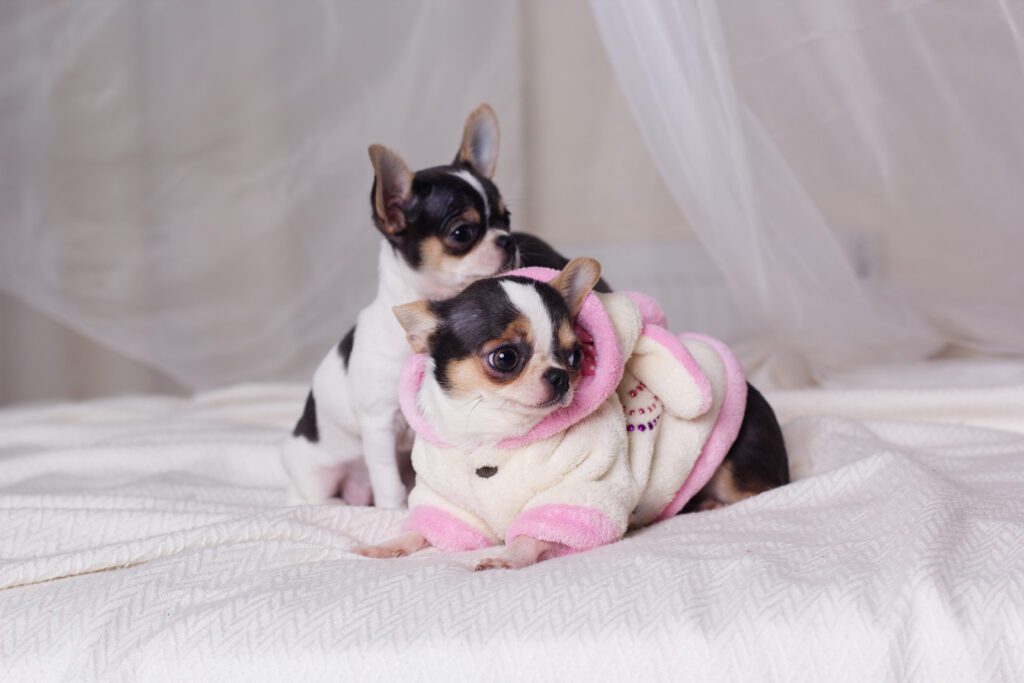

Teacup Chihuahua is a popular term for an extra-small Chihuahua that weighs less than the typical breed standard. These tiny companions are loyal, alert, and deeply attached to their people. They prefer a quiet lap and short play sessions over roughhousing. Careful research matters because very small dogs can have special health and handling needs. Adoption gives a deserving dog a second chance while also discouraging irresponsible breeding that can harm canine welfare.
Alabama offers a warm climate with hot, humid summers and mild winters. The heat can stress a tiny dog, so indoor living with air conditioning and shaded walks is important. Winter cold snaps still happen, and a small dog needs a sweater and limited time outdoors. The state includes cities, suburbs, and rural areas, which means potential adopters should plan for safe indoor spaces and secure yards that block gaps a tiny dog could slip through.
Adopting instead of buying supports animal welfare and often provides helpful post-adoption support. Many adoptable Chihuahuas come spayed or neutered and receive core veterinary care, which lowers out-of-pocket costs and sets a new pet up for a healthy start. Thoughtful preparation ensures a smooth transition, especially for a very small dog that depends on gentle handling, predictable routines, and close supervision.
You can avoid searching local animal shelters and regional rescues one by one by browsing listings on Dog Academy. Dog Academy gathers adoptable dogs in one place, which saves time and helps you compare age, size, and temperament across multiple groups. You can also use Dog Academy’s educational guides and adoption checklists to prepare your home, plan a first vet visit, and organize supplies for a tiny companion.
Teacup Chihuahuas may appear at local animal shelters, regional rescues, and breed-specific rescue groups. Start by reading each profile carefully for weight, age, behavior notes, medical history, and any placement requirements. Understanding the needs of a very small Chihuahua is essential. These dogs are fragile due to their small bones, they are prone to chills, and they can feel overwhelmed by rough play or crowded spaces.
The adoption process usually begins with browsing listings and submitting an application that includes identification, references, and proof of housing stability. Renters are often asked for landlord approval. Many groups schedule a meet-and-greet to assess chemistry and handling. A home check can be virtual or in person to confirm safety, including small-dog hazards such as gaps under fences or loose balcony rails. Timelines vary by group, though approval commonly takes 1 to 3 weeks after you complete all steps and provide requested documentation.
Some rescues arrange transport to move dogs between locations when a good match is found. Transport is organized travel for the dog using volunteer drivers or professional pet transporters who follow safety protocols. You may meet at a central handoff point or receive delivery to a designated location. Groups typically outline costs, crate requirements, and vaccination records before transport so both the adopter and the dog travel plan stays clear and safe.

|
How Much Does It Cost to Adopt a Teacup Chihuahua in Alabama?Most adopters in Alabama can expect to pay about $200 to $450 to adopt a Teacup Chihuahua. Fees trend toward the middle of that range for healthy adults and may be lower for seniors. Puppies often cost more due to high demand and preventive care. Fees help cover spaying or neutering, vaccinations, microchipping, and veterinary exams. Costs can increase if a dog received dental cleanings, bloodwork, or treatment for issues common in very small breeds such as loose kneecaps. Age, training progress, medical history, and regional demand influence the final fee. A dog that already lives comfortably with children, uses a crate, and walks politely on a leash can be priced higher because training reduces future costs for the adopter. A dog with recent medical care may have a higher fee because the rescue invested in treatment that benefits the new family immediately. |
How Should I Train a Teacup Chihuahua?Chihuahuas are bright and eager to bond, which makes them highly trainable with the right approach. They respond best to short, upbeat sessions that use small, soft treats and calm praise. Positive reinforcement builds confidence in a tiny dog that can feel vulnerable around bigger pets and busy spaces. Early socialization with friendly, vaccinated dogs and gentle people helps prevent reactivity and excessive barking. House training can be challenging due to a very small bladder, so plan for frequent outings or a consistent indoor potty area, plus a reliable schedule. Teach cues like touch, settle, and come to improve focus and safety. Use a harness instead of a collar to protect the trachea, and practice loose-leash walking in quiet areas before visiting busier places. If you want structured guidance, explore Dog Academy’s online training courses for step-by-step lessons tailored to small dogs and new adopters. |
|
The ideal adopter offers a calm home, gentle handling, and careful supervision around children and larger pets. Apartment dwellers, retirees, and work-from-home owners often suit this breed well because they can provide close companionship and regular potty breaks. Preparation matters, which means puppy-proofing, choosing a trusted veterinarian, and setting a daily routine before adoption day.
Take your time, review multiple profiles, and ask clear questions about health, behavior, and daily needs. With patience and the right planning, you can adopt a Teacup Chihuahua in Alabama that fits your lifestyle and thrives as a cherished family member.

Introducing a new puppy to your current dog is often an exciting process, and many dogs will become fast friends and eas...
Read More
Rescue dogs can make great companions and can transform your home into something better. These dogs make great pets and ...
Read More
You should never rush to pet a dog. Even dog owners make the mistake of approaching unfamiliar dogs and petting them rig...
Read More
Puppy mill dogs are survivors who have endured extreme hardships in their lives. They have grown up in horrendous, unsan...
Read More
With their wagging tails and comforting presence, adopting a dog can add a unique touch to your life. It’s a heart...
Read More
Older dogs may have a few gray hairs around the edges, but that doesn’t mean they can’t make wonderful companions! T...
Read More