



























































































































































































Introducing a new puppy to your current dog is often an exciting process, and many dogs will become fast friends and eas...
Read MoreAdopt Me

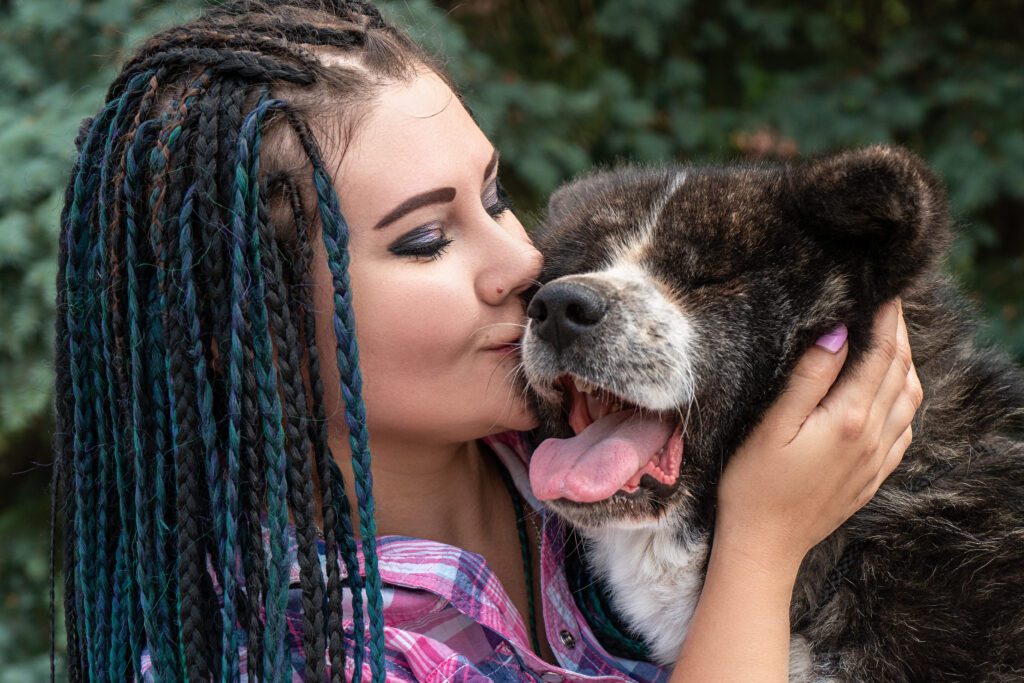
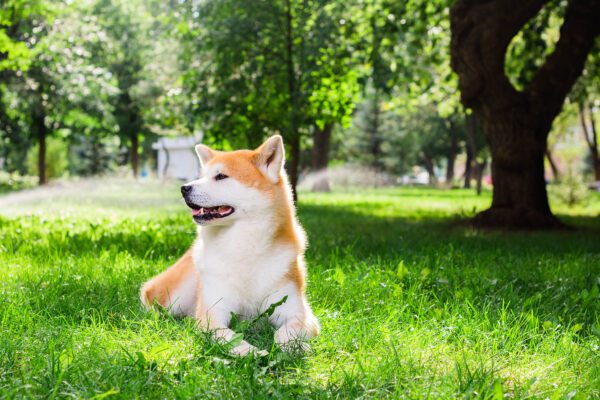
The Akita is a loyal, confident, and dignified companion that forms a deep bond with family. This breed is calm in the home, watchful in new settings, and naturally protective. An Akita thrives with clear structure, thoughtful socialization, and steady leadership from a patient owner.
Good research sets every adoption up for success. Adoption gives a dog a second chance while also connecting you with support from people who know the breed well. It also helps you avoid the unknowns that can come with buying. Alabama offers both advantages and challenges for an Akita. Hot and humid summers require careful heat management, while mild winters suit the breed’s thick double coat. Suburban yards and rural properties offer room to stretch out, and city life can work when exercise and enrichment are consistent.
Consider how the state’s climate and geography affect daily care. Schedule walks during cooler morning and evening hours in summer, provide shade and fresh water at all times, and keep indoor spaces air conditioned. Plan regular brushing to manage heavy shedding. Think about your lifestyle as well. An Akita needs daily mental work, steady training, and time with family, not just a big yard.
You can avoid searching through rescues and shelters one by one by starting with Dog Academy, where you can browse adoptable dogs and learn from educational guides and adoption checklists. You can also look at local animal shelters, regional rescues, and breed-specific rescue groups. Focus on listings that clearly describe temperament, energy level, and any special needs.
Begin by browsing profiles and saving dogs that match your home, schedule, and experience level. Complete applications with accurate details, including your household setup, training plans, and how you will manage heat and exercise. Many groups request references, proof of home ownership or landlord approval, and veterinary records for current pets. Review timelines closely. Approval can take 3 to 14 days, and it may take longer when demand is high or when a dog needs extra behavioral review.
After an application review, organizations often arrange meet-and-greets. Bring all family members and any resident dogs when requested. Introductions usually happen in a neutral, calm space and may include a short parallel walk. Expect a home check that verifies secure fencing, shade access, indoor sleeping arrangements, and climate control. Some groups complete this virtually, while others visit in person. Final steps include an adoption contract, payment of the fee, and a pickup plan that supports a low-stress transition.
Adopters in rural parts of Alabama sometimes match with dogs located in other areas. Rescues may arrange transport to move dogs between locations when a great match is found. Transport can include volunteer drivers or professional services that follow set routes. Adopters usually meet at a safe pickup point and may pay a modest transport fee. Dogs typically travel with proof of vaccinations and a health certificate when required.
|
How Much Does It Cost to Adopt a Akita in Alabama?Most adopters in Alabama pay about $150 to $600 to bring home an Akita. Fees trend lower at municipal shelters and higher at breed-focused rescues that invest in training and medical care. Puppies often cost more because of demand and preventive care, while seniors may cost less. Total fees reflect spaying or neutering, vaccinations, microchipping, and veterinary exams. Costs can increase if a dog needs heartworm treatment, dental care, or behavior support before placement. Plan for ongoing care so your budget supports long-term success. A large breed like the Akita typically needs $50 to $90 per month for food, plus routine preventives and grooming supplies. A sturdy crate, a well-fitted harness, a leash, food bowls, and puzzle toys can add $200 to $400 to initial setup. Training classes and enrichment will add value by preventing problems and building good habits. |
How Should I Train a Akita?The Akita is intelligent and learns quickly when training is clear, fair, and consistent. The breed is also independent, so short sessions, high-value rewards, and calm guidance work best. Focus on daily manners, loose-leash walking, recall with a long line for safety, and impulse control exercises like sit, wait, and leave it. Socialize early and continue throughout adulthood with controlled exposure to people, places, sounds, and surfaces. Many Akitas are dog selective, and some show same-sex intolerance. Set up success through careful management, parallel walks, and gradual introductions. Teach a strong place cue and a relaxed settle to support polite behavior at home and in public. Build handling skills for brushing and nail care, since Akitas shed heavily during seasonal blows. Use puzzle feeders, scent games, and structured play to satisfy a capable mind. For step-by-step guidance from home, explore Dog Academy’s online training courses, which provide positive reinforcement plans tailored to real-life situations. |
|
The ideal Akita adopter is calm, consistent, and ready to lead with kindness. A secure yard, a plan for daily exercise and enrichment, and time for training support a confident and stable companion. Heat management is essential in Alabama, so schedule activity during cooler hours and rest during midday.
Preparation helps you choose wisely and settle in smoothly. Take your time, ask clear questions, and make sure the dog’s temperament fits your home. Start your search with Dog Academy, build your skills with proven training, and welcome a loyal Akita partner when the match feels right.
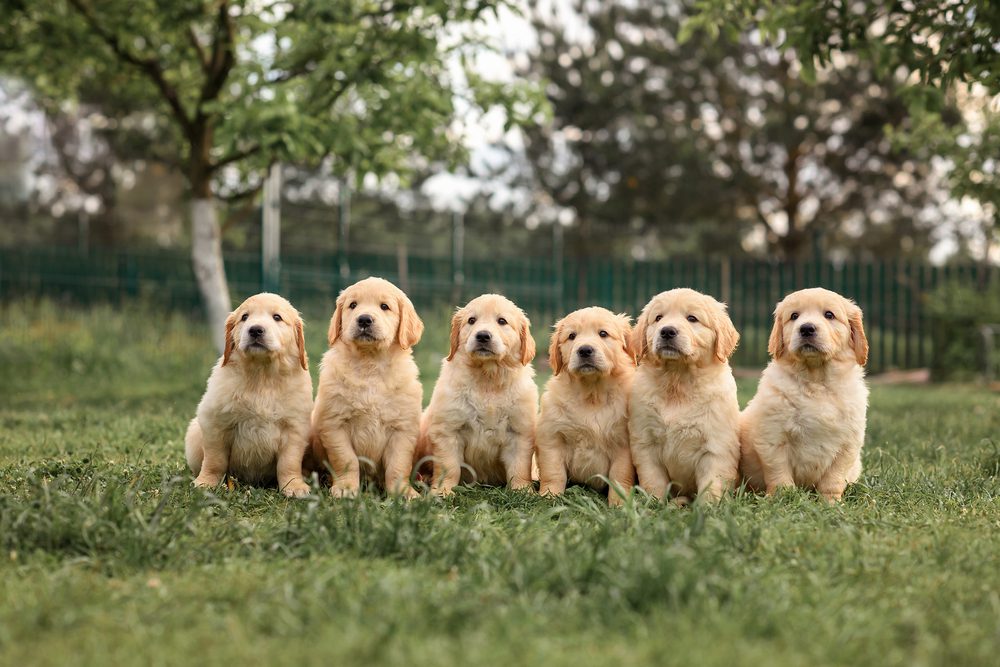
Introducing a new puppy to your current dog is often an exciting process, and many dogs will become fast friends and eas...
Read More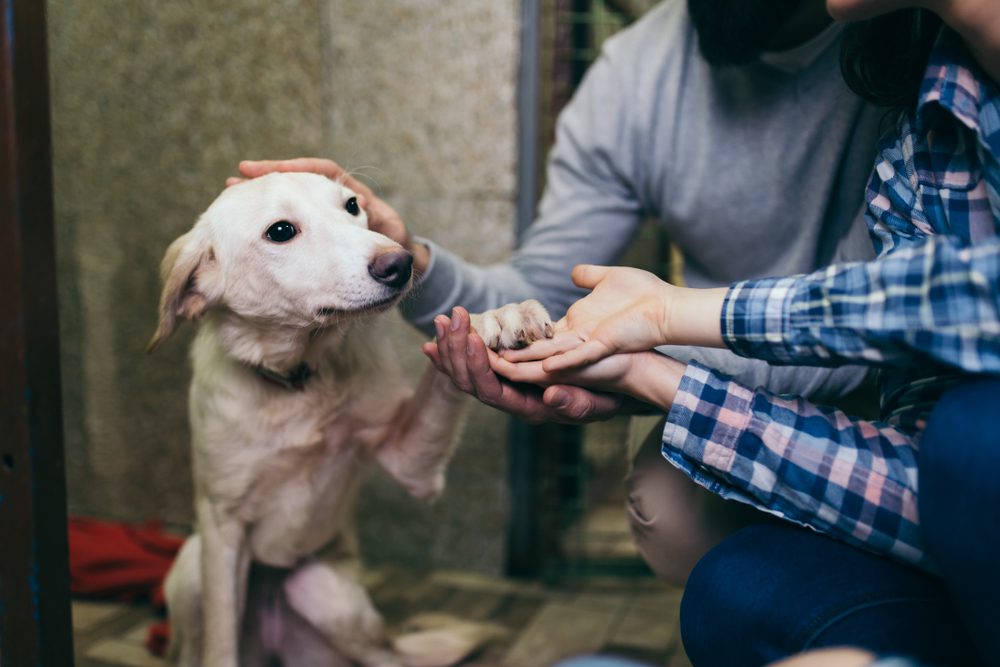
Rescue dogs can make great companions and can transform your home into something better. These dogs make great pets and ...
Read More
You should never rush to pet a dog. Even dog owners make the mistake of approaching unfamiliar dogs and petting them rig...
Read More
Puppy mill dogs are survivors who have endured extreme hardships in their lives. They have grown up in horrendous, unsan...
Read More
With their wagging tails and comforting presence, adopting a dog can add a unique touch to your life. It’s a heart...
Read More
Older dogs may have a few gray hairs around the edges, but that doesn’t mean they can’t make wonderful companions! T...
Read More