
























































































































































































Introducing a new puppy to your current dog is often an exciting process, and many dogs will become fast friends and eas...
Read MoreAdopt Me

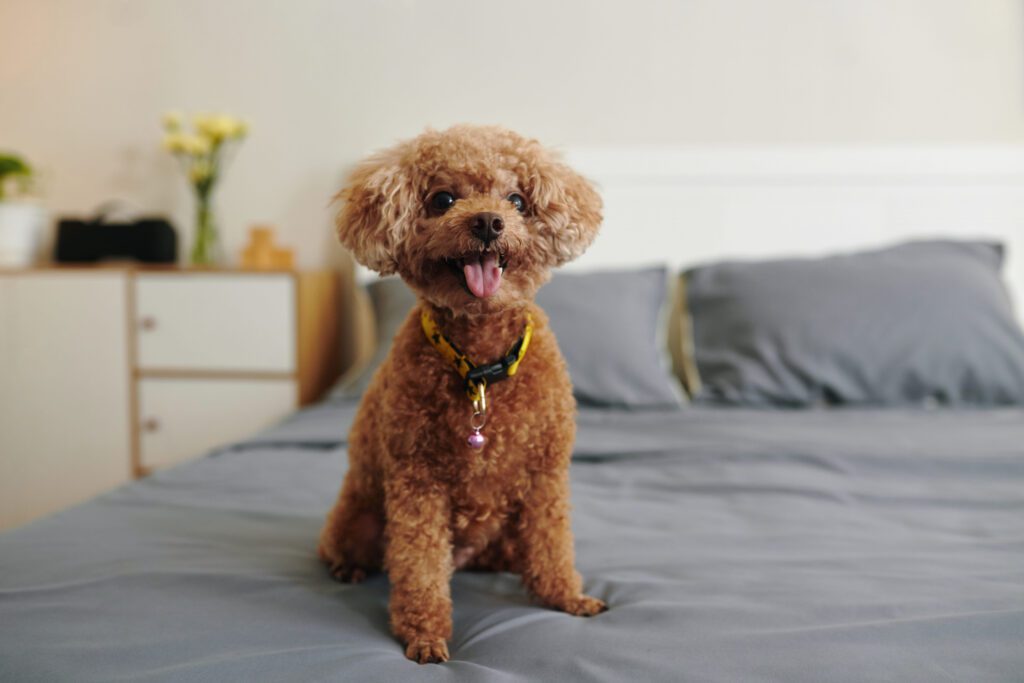

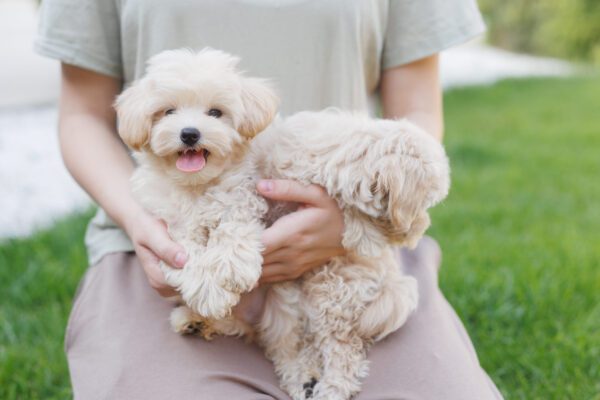
Toy Poodles are bright, affectionate, and eager to learn. Their small size fits well in apartments and suburban homes, and their low-shedding coat helps many allergy-sensitive families. A Toy Poodle thrives on attention, daily activity, and mental challenges, which makes this breed a wonderful companion for households that enjoy training and play.
Responsible adoption starts with research. Understanding grooming needs, exercise requirements, and typical health care helps you set a new dog up for success. Adoption gives a dog a second chance while also supporting the shelters and rescues that protect animals across the community. Choosing to adopt a Toy Poodle in Connecticut means you help reduce overpopulation and you gain access to local support networks that guide you through the transition home.
Connecticut has four distinct seasons. Cold, snowy winters and humid summers require consistent coat care and weather-appropriate walks. Many towns offer sidewalks, parks, and short hiking trails, which suits a Toy Poodle that prefers moderate activity and safe footing. Coastal winds can make winter walks brisk, so a warm coat and paw protection keep a small dog comfortable. With the right routine, a Toy Poodle handles Connecticut’s climate well and enjoys a balanced, indoor-friendly lifestyle.
You can avoid searching shelters and rescues one by one by browsing adoptable Toy Poodles on Dog Academy. The listings gather available dogs from local animal shelters, regional rescues, and breed-specific rescue groups in one place. Dog Academy also offers educational guides and practical adoption checklists that simplify each step, from preparing your home to planning your first vet visit.
Start by browsing listings and reading each profile carefully. Look for age, size, temperament notes, medical history, and any training the dog has already completed. When you find a potential match, submit an application that explains your home environment, daily schedule, experience with dogs, and plans for exercise and grooming. Most groups request references and landlord approval when you rent. Clear, prompt communication helps your application move forward.
After an application review, many organizations schedule a meet-and-greet. This meeting lets you see how the Toy Poodle responds to you and any family members or resident pets. Some groups also conduct a home check, which can be in person or virtual, to confirm that your space is safe and set up with gates, a crate, and secure storage for cleaning supplies and medications. The approval timeline often ranges from 1 to 3 weeks, depending on how quickly interviews, references, and meet-and-greets are completed.
If the dog is not located nearby, ask about transport options. Transport is often arranged by rescues to move dogs between locations when foster space is limited. Transport coordinators schedule travel, confirm health records, and plan safe handoffs, which allows adopters in Connecticut to match with Toy Poodles from neighboring regions.
|
How Much Does It Cost to Adopt a Toy Poodle in Connecticut?Most adopters in Connecticut can expect an adoption fee between $300 and $650 for a Toy Poodle. The fee reflects breed demand, the dog’s age, and the level of veterinary and grooming care provided before adoption. Puppies and young adults with high demand tend to cost more, while seniors are often lower in cost but may include extra medical support. Fees commonly cover spaying or neutering, vaccinations, microchipping, and veterinary exams. Costs can also reflect dental cleanings, bloodwork for seniors, heartworm testing, grooming to remove mats, and any training the dog has received. If transport is arranged, some groups include part of that expense in the adoption fee to offset fuel, supplies, and health certificates required for travel. |
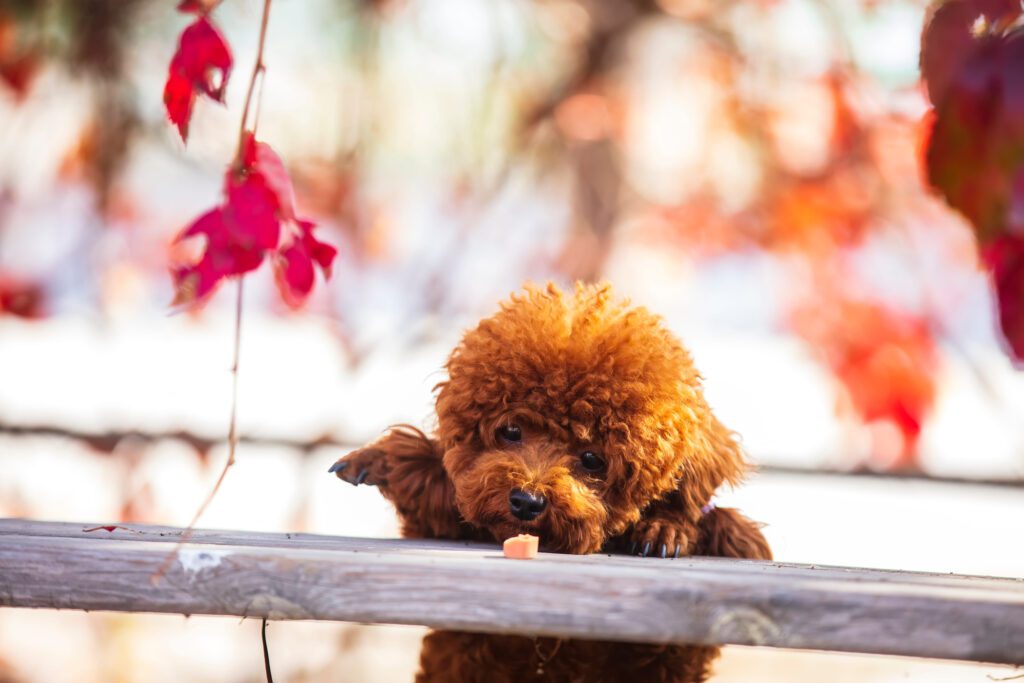
How Should I Train a Toy Poodle?Toy Poodles learn quickly and respond best to positive reinforcement. Short, upbeat sessions that use treats, toys, and praise build focus and confidence. Early training should cover house training, polite leash walking, and cue reliability for sit, down, stay, and come. Because this breed is highly observant, consistent routines help prevent confusion and speed progress. Common challenges include alert barking, separation stress, and sensitivity to rough handling. Teach a quiet cue, build independence with crate games, and pair grooming tools with rewards so brushing and nail care feel safe. Mental enrichment is essential for this breed. Rotate puzzle feeders, scatter-feed in the yard, and practice trick training to prevent boredom. For structured guidance that you can follow at home, explore Dog Academy’s online training courses, which offer step-by-step lessons for obedience, crate training, and problem prevention. |
|
The ideal adopter enjoys daily walks, regular grooming, and interactive play. A Toy Poodle fits well with singles, couples, and families that can provide attention, gentle training, and safe supervision around young children. A predictable routine and a calm resting area help this sensitive breed relax.
Prepare your home with a crate, playpen, non-slip rugs, and a grooming plan before you bring a dog home. Take time to research, ask clear questions, and move at a pace that respects the dog’s needs. With patience and the right preparation, you can adopt a Toy Poodle in Connecticut and welcome a smart, loving companion into your life.

Introducing a new puppy to your current dog is often an exciting process, and many dogs will become fast friends and eas...
Read More
Rescue dogs can make great companions and can transform your home into something better. These dogs make great pets and ...
Read More
You should never rush to pet a dog. Even dog owners make the mistake of approaching unfamiliar dogs and petting them rig...
Read More
Puppy mill dogs are survivors who have endured extreme hardships in their lives. They have grown up in horrendous, unsan...
Read More
With their wagging tails and comforting presence, adopting a dog can add a unique touch to your life. It’s a heart...
Read More
Older dogs may have a few gray hairs around the edges, but that doesn’t mean they can’t make wonderful companions! T...
Read More