






















































































































































































Introducing a new puppy to your current dog is often an exciting process, and many dogs will become fast friends and eas...
Read More
How to Introduce a New Puppy to Your Dog


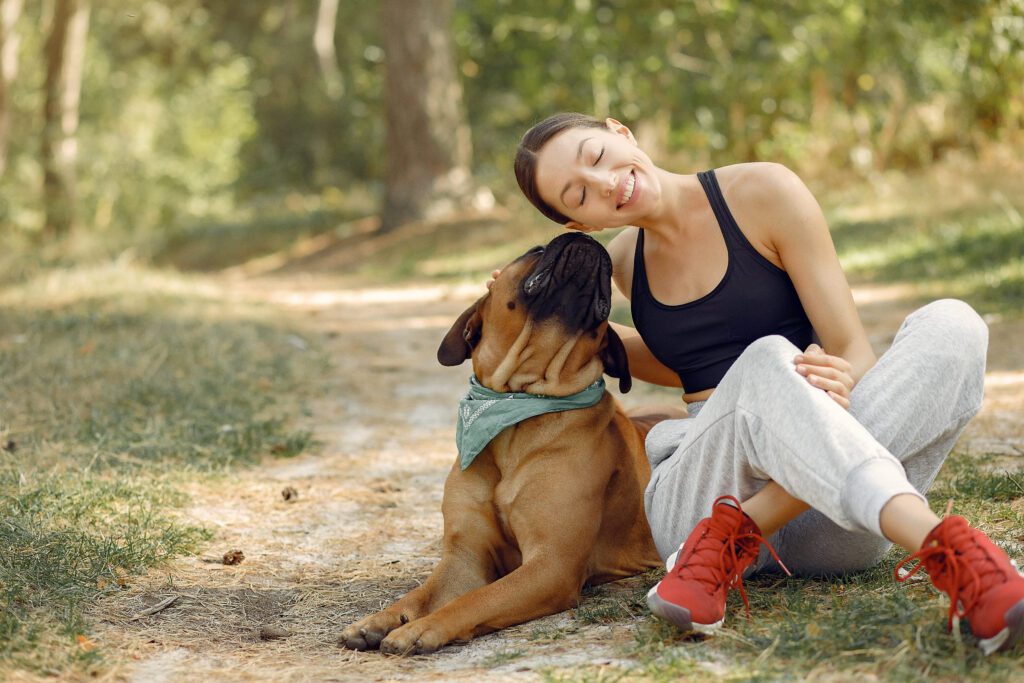
The Tosa Inu is a calm, powerful, and deeply loyal companion that bonds closely with family. This large guardian breed is thoughtful and reserved in new situations, yet affectionate with trusted people. Careful research matters before you adopt a Tosa Inu in Massachusetts because size, strength, and breed instincts require steady leadership and structured training.
Adoption is a smart choice because it helps a dog in need while giving you access to support from knowledgeable teams. Many adoptable Tosa Inu dogs are already house trained and vetted, which reduces early hurdles for new owners. Massachusetts can suit this breed well thanks to suburban homes with fenced yards, access to quiet trails, and a strong community of experienced dog handlers. The state’s cold winters require warm indoor living, a well-fitted coat for outdoor time, and paw care on salted sidewalks. Humid summers call for shade, hydration, and exercise during cooler hours. Urban areas demand excellent leash skills and calm handling around foot traffic and bikes, while rural parts of the state offer space for structured walks on secure property.
You can avoid searching shelters and rescues one by one by browsing Dog Academy adoption listings. You can view dogs from local animal shelters, regional rescues, and breed-specific rescue groups in one place. Dog Academy also provides educational guides and adoption checklists that help you prepare your home, plan your budget, and understand next steps before you apply.
Start by browsing detailed profiles that list age, temperament notes, medical history, and placement needs. Submit a complete application that includes your household details, lifestyle, and experience with large breeds. Most organizations follow with reference checks and landlord or condo verification when applicable. Many groups schedule a virtual home check to confirm secure fencing, safe storage for food and medications, and appropriate space for a giant-breed crate. Some organizations also schedule an in-person visit.
Meet-and-greets are important for a Tosa Inu because this breed benefits from careful introductions. Plan to attend a controlled meet with all household members and any resident dogs. Staff or fosters usually guide the interaction to ensure safety and to observe handling skills and body language. If you live far from the dog, the rescue may arrange transport between locations. Transport is often arranged by rescues to move dogs between states using volunteer drivers or professional pet transporters. Transport coordinators typically require health certificates and confirmed pickup plans.
Approval timelines vary by dog and by organization. Straightforward applications with quick reference responses can move in 1 to 3 weeks. Matches for homes with children or resident pets can take longer, especially for a strong breed that benefits from a very specific environment. Some groups offer foster-to-adopt placements that allow you to confirm a good fit before finalizing the contract.

|
How Much Does It Cost to Adopt a Tosa Inu in Massachusetts?In Massachusetts, most adopters can expect to pay about $350 to $550 for an adult Tosa Inu through a rescue or shelter. Puppies and young adolescents often cost about $450 to $650 due to higher demand and increased preventive care. Fees reflect the dog’s age, the amount of training completed, the level of medical care provided, and the rarity of the breed in the region. Adoption fees usually include spaying or neutering, vaccinations, microchipping, and veterinary exams. Costs can be higher when organizations invest in specialized care like orthopedic evaluations, behavior assessments, or professional training. Fees can be lower for seniors or dogs with ongoing medical needs when groups seek experienced homes that can manage a clear care plan. |
How Should I Train a Tosa Inu?The Tosa Inu is intelligent, steady, and sensitive to a handler’s tone, which makes positive reinforcement and clear structure essential. Focus on foundation skills like name recognition, attention under distraction, loose-leash walking, reliable recall on a long line, and calm settle on a mat. Reward-based methods build trust and reduce conflict in a strong breed that reads body language and routine carefully. Common challenges include leash reactivity, selective tolerance of unfamiliar dogs, and stubborn moments during transitions. Prevent issues with early socialization to neutral environments, careful exposure to urban noise, muzzle conditioning for safe vet visits, and impulse control games that teach patience. Avoid harsh corrections because aversive methods can create defensive behavior and damage confidence. You can follow step-by-step lessons through Dog Academy’s online training courses, which provide structured plans for obedience, leash manners, and behavior troubleshooting tailored to real homes. |
|
The ideal adopter is an experienced large-breed handler who enjoys routine, values calm structure, and can commit to daily training and thoughtful socialization. A securely fenced yard, a quiet household, and a stable schedule help a Tosa Inu thrive. A thorough plan for exercise, mental enrichment, and safe management around unfamiliar dogs protects everyone’s well-being.
Preparation sets you up for success. Confirm landlord approval in writing, review local leash rules, and budget for high-quality food, a giant-breed crate, sturdy equipment, and ongoing veterinary care. Take time to research, ask questions, and move at the dog’s pace. With patience and the right match, you can adopt a Tosa Inu in Massachusetts and build a steady, rewarding partnership that lasts a lifetime.
Introducing a new puppy to your current dog is often an exciting process, and many dogs will become fast friends and eas...
Read More
Rescue dogs can make great companions and can transform your home into something better. These dogs make great pets and ...
Read More
You should never rush to pet a dog. Even dog owners make the mistake of approaching unfamiliar dogs and petting them rig...
Read More
Puppy mill dogs are survivors who have endured extreme hardships in their lives. They have grown up in horrendous, unsan...
Read More
With their wagging tails and comforting presence, adopting a dog can add a unique touch to your life. It’s a heart...
Read More
Older dogs may have a few gray hairs around the edges, but that doesn’t mean they can’t make wonderful companions! T...
Read More