
























































































































































































Introducing a new puppy to your current dog is often an exciting process, and many dogs will become fast friends and eas...
Read More
How to Introduce a New Puppy to Your Dog
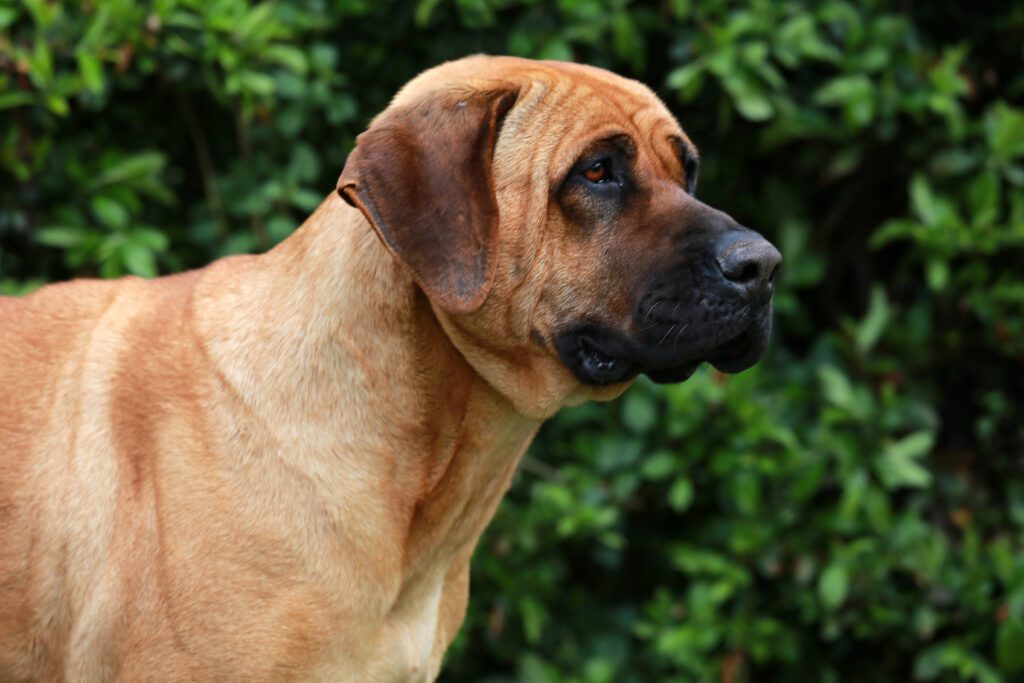

The Tosa Inu is calm, loyal, and deeply devoted to family. This powerful guardian breed bonds closely with experienced owners who value quiet confidence over flashy energy. Careful research helps you understand the breed’s size, strength, and social needs before you decide to bring one home.
Adoption gives a deserving dog a second chance while supporting responsible rehoming. It also provides transparency about health and temperament from people who know the dog. Connecticut offers a good home base for a Tosa Inu because it has many suburban neighborhoods, wooded trails, and access to coastal breezes. The state’s four-season climate requires thoughtful care. The short coat makes winter walks manageable with a fitted jacket, while humid summers call for shaded breaks, cool water, and calm outings during cooler hours.
A Tosa Inu fits best with an owner who enjoys structured routines and steady training. The breed does well with moderate daily exercise, mental enrichment, and a peaceful home. City living can work when you plan consistent walks, practice good leash manners, and provide strong management around other dogs. A fenced yard is helpful in many Connecticut towns, though it is not the only path to success when you commit to daily activity and training.
You can avoid searching rescues and shelters one by one by using Dog Academy adoption listings. You can also use Dog Academy educational guides and adoption checklists to prepare for applications, interviews, and home readiness. You can still look at local animal shelters, regional rescues, and breed-specific rescue groups, though a centralized listing helps you compare dogs, timelines, and requirements in one place.
Start by browsing listings and reading each profile in full. Look for details on age, size, energy, behavior around other dogs, and any medical notes. Submit a complete application that covers your household, schedule, fencing or management plan, landlord approval when needed, and veterinary references. Clear and specific answers help reviewers understand your experience with large or guardian-type breeds and your plan for training and socialization.
Most groups schedule a phone interview, followed by meet-and-greets with all family members and resident pets. A home check often occurs through a visit or a video tour to confirm safe containment, secure storage for food and medications, and an area for quiet rest. Approval timelines vary. Many applicants receive a decision within 1 to 3 weeks. Rare breeds can take longer because placement teams work carefully to match temperament with lifestyle. If the dog is located out of state, transport is sometimes arranged by rescues to move dogs between locations using volunteer drivers or licensed carriers. Transport requires health certificates, confirmed handoff points, and coordinated pick-up times.
Once approved, you sign an adoption agreement, pay the fee, and schedule pick-up. You also receive medical records and microchip information. Bring a well-fitted collar, a sturdy leash, ID tags, and a crate for safe travel. Plan your first week with short walks, calm routines, and a slow introduction to new spaces so your Tosa Inu settles with confidence.
|
How Much Does It Cost to Adopt a Tosa Inu in Connecticut?In Connecticut, the typical adoption fee for a Tosa Inu ranges from $300 to $600. This range reflects the breed’s rarity, size, and the higher cost of care in the region. Fees usually include spaying or neutering, vaccinations, microchipping, and veterinary exams. Costs can rise for dogs who have completed training programs or who received advanced medical care, and costs can be lower for seniors who need a stable home. Age, training history, medical needs, and local demand all affect the final fee. Puppies and young adults often fall at the higher end of the range. Adults with established manners may be priced in the middle. Seniors and dogs with ongoing medical plans can be placed at the lower end to encourage thoughtful adopters who can manage care with their veterinarian. |
How Should I Train a Tosa Inu?The Tosa Inu is intelligent and steady, and it learns best with patient, consistent guidance. Use positive reinforcement to reward calm behavior, loose-leash walking, and reliable recall. Short, focused sessions work better than long drills. Clear structure helps the dog understand house rules, rest times, and polite greetings. Common challenges include strong pulling, overexuberant greetings due to size, and sensitivity to new dogs or crowded spaces. Teach impulse control through sit, down, stay, and hand-targeting. Practice neutrality around other dogs by rewarding attention on you at a safe distance. Introduce new environments gradually and avoid high-pressure dog parks. For expert support, explore Dog Academy’s online training courses, which cover leash skills, confidence building, household manners, and advanced obedience designed for large guardian breeds. |
|
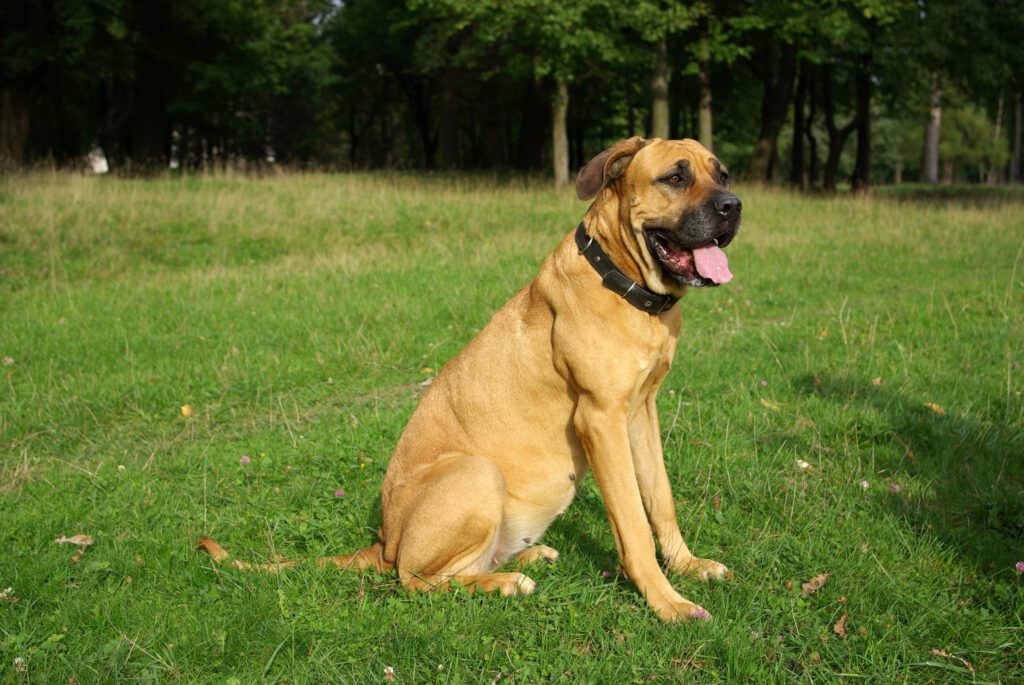
The ideal Connecticut adopter is calm, consistent, and ready to guide a large, loyal dog with clear boundaries. A Tosa Inu thrives when you plan daily exercise, structured training, and quiet downtime. Preparation sets you up for success. Gather supplies, schedule a veterinary appointment, and create a safe rest area before your dog comes home.
Take your time and ask thoughtful questions about temperament, health, and history. When you are ready to adopt a Tosa Inu in Connecticut, use Dog Academy to compare options, learn what to expect, and move forward with confidence. The right match is worth the wait, and a well-prepared home gives this remarkable breed the stable, loving life it deserves.
Introducing a new puppy to your current dog is often an exciting process, and many dogs will become fast friends and eas...
Read More
Rescue dogs can make great companions and can transform your home into something better. These dogs make great pets and ...
Read More
You should never rush to pet a dog. Even dog owners make the mistake of approaching unfamiliar dogs and petting them rig...
Read More
Puppy mill dogs are survivors who have endured extreme hardships in their lives. They have grown up in horrendous, unsan...
Read More
With their wagging tails and comforting presence, adopting a dog can add a unique touch to your life. It’s a heart...
Read More
Older dogs may have a few gray hairs around the edges, but that doesn’t mean they can’t make wonderful companions! T...
Read More