





































































































































































Introducing a new puppy to your current dog is often an exciting process, and many dogs will become fast friends and eas...
Read MoreAdopt Me


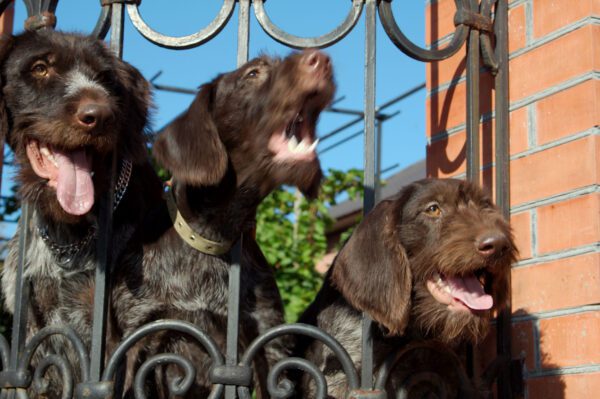
The Pudelpointer is a versatile hunting companion with a sharp mind, a steady temperament, and a loyal heart. This athletic breed loves to work, swim, retrieve, and relax with the family after a full day. Thoughtful research matters before you adopt, because a Pudelpointer thrives with structure, daily exercise, and steady guidance. Adoption often makes the best sense, because you provide a deserving dog with a new start while gaining a well-vetted companion.
Texas can be a great fit for this breed when you plan for heat and activity. Wide open spaces, fields, and lakes suit a Pudelpointer that enjoys long walks, runs, and water retrieves. Hot weather in Texas requires careful scheduling, ample shade, and frequent water breaks. A secure yard, consistent training, and active lifestyles help this energetic dog succeed in cities, suburbs, and rural areas.
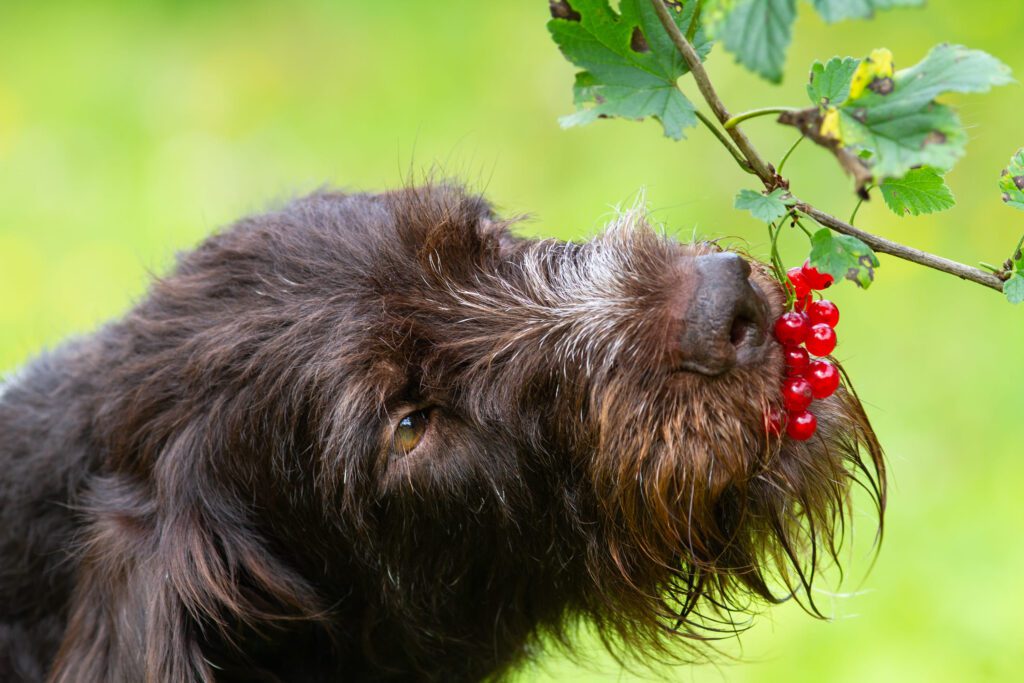
Before you adopt a Pudelpointer in Texas, learn the breed’s exercise needs, coat care, and training approach. The coat is weather resistant and usually low to moderate shedding, which calls for regular brushing to manage burrs and debris. Plan for daily mental work, reliable recall practice, and opportunities to swim or retrieve. A prepared home helps a Pudelpointer settle faster and shine.
You can avoid searching shelters and rescues one by one by browsing Dog Academy. Our adoption listings gather available dogs from local animal shelters, regional rescues, and breed-specific rescue groups in one place. You can also use Dog Academy’s guides and checklists to stay organized from your first search to gotcha day.
Pudelpointers are less common than many breeds, so cast a wide net across Texas and nearby regions. Look through local animal shelters, regional rescues, sporting-dog rescue groups, and foster-based networks. When a match is outside your area, rescues often arrange transport to move dogs between locations or states. Transport usually involves coordinated routes with volunteer drivers or licensed carriers once your application is approved.
The process usually starts with browsing listings and submitting an application that covers your home, schedule, and prior dog experience. Many groups check references, confirm landlord approval when you rent, and request a veterinary contact if you have current pets. A phone interview often follows to discuss energy level, training plans, and fit with children or other animals. Next comes a meet-and-greet, which may be in person or virtual when distance is involved. Home checks are common and can be virtual or in person to ensure safety and readiness. After approval, you sign an adoption contract, pay the fee, and schedule pickup or transport. Timelines vary, but 1 to 4 weeks is common in Texas depending on availability, foster schedules, and transport routes.
Set yourself up for success by learning the breed’s needs before you apply. Ask about the dog’s exercise tolerance in Texas heat, comfort around water, impulse control, recall reliability, and crate skills. Request details on reactions to small pets and livestock, because prey drive can be strong in versatile hunting breeds. Clear goals and honest communication help rescuers match you with the right Pudelpointer the first time.
|
How Much Does It Cost to Adopt a Pudelpointer in Texas?Expect typical adoption fees for a Pudelpointer in Texas to fall between $250 and $500. The final amount often reflects age, prior training, recent medical care, and regional demand. Puppies and young adults can be at the higher end when demand is strong. Seniors or dogs with ongoing care needs are often at the lower end to encourage the right match. Most groups include spaying or neutering, vaccinations, microchipping, and veterinary exams in the fee. Costs can increase when a dog receives extensive dental work, heartworm treatment, or specialist care before adoption. Transparent itemization helps you understand exactly what has been covered and what to plan for after you bring your dog home. |
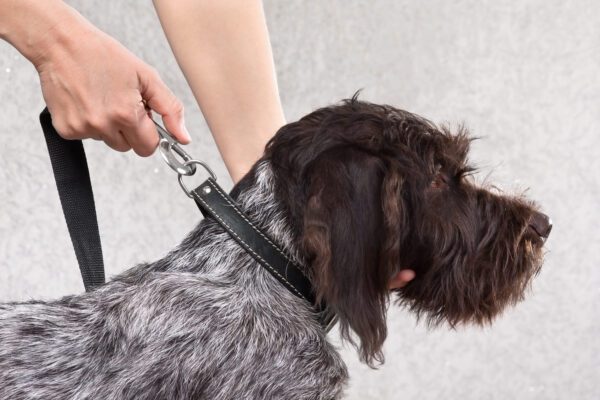
How Should I Train a Pudelpointer?Pudelpointers are intelligent, biddable, and sensitive, which makes positive reinforcement the best approach. Use food rewards, toys, and praise to mark desired behavior. Keep sessions short and engaging, and build difficulty in small steps. Focus early on impulse control, loose-leash walking, a rock-solid recall, and a reliable settle on a mat. Regular water retrieves, scent games, and problem-solving tasks keep the mind busy and the body satisfied. Consistency matters with a driven working dog. Avoid harsh corrections, because they reduce trust and enthusiasm. Instead, redirect and reward what you want. Socialize thoughtfully with stable dogs and people, and practice neutrality around wildlife and livestock. Long-line work builds safe off-leash skills before you advance to open areas. For clear, step-by-step help at home, explore Dog Academy’s online training courses, which cover obedience, recall, loose-leash walking, and foundations for fieldwork. |
|
The ideal home for a Pudelpointer in Texas is active, outdoorsy, and committed to daily training. Owners who enjoy hiking, running, hunting, or water sports can meet this breed’s needs and enjoy its talents. A secure yard, a plan for the heat, and a consistent routine help your new dog relax and thrive.
Prepare before you apply by gathering supplies, setting a training schedule, and aligning your budget for food, gear, and veterinary care. Take your time, ask careful questions, and choose the dog whose temperament and energy level suits your life. With thoughtful preparation and patient training, your Texas Pudelpointer will become a loyal partner for years to come.
Introducing a new puppy to your current dog is often an exciting process, and many dogs will become fast friends and eas...
Read More
Rescue dogs can make great companions and can transform your home into something better. These dogs make great pets and ...
Read More
You should never rush to pet a dog. Even dog owners make the mistake of approaching unfamiliar dogs and petting them rig...
Read More
Puppy mill dogs are survivors who have endured extreme hardships in their lives. They have grown up in horrendous, unsan...
Read More
With their wagging tails and comforting presence, adopting a dog can add a unique touch to your life. It’s a heart...
Read More
Older dogs may have a few gray hairs around the edges, but that doesn’t mean they can’t make wonderful companions! T...
Read More