
























































































































































































Introducing a new puppy to your current dog is often an exciting process, and many dogs will become fast friends and eas...
Read MoreAdopt Me

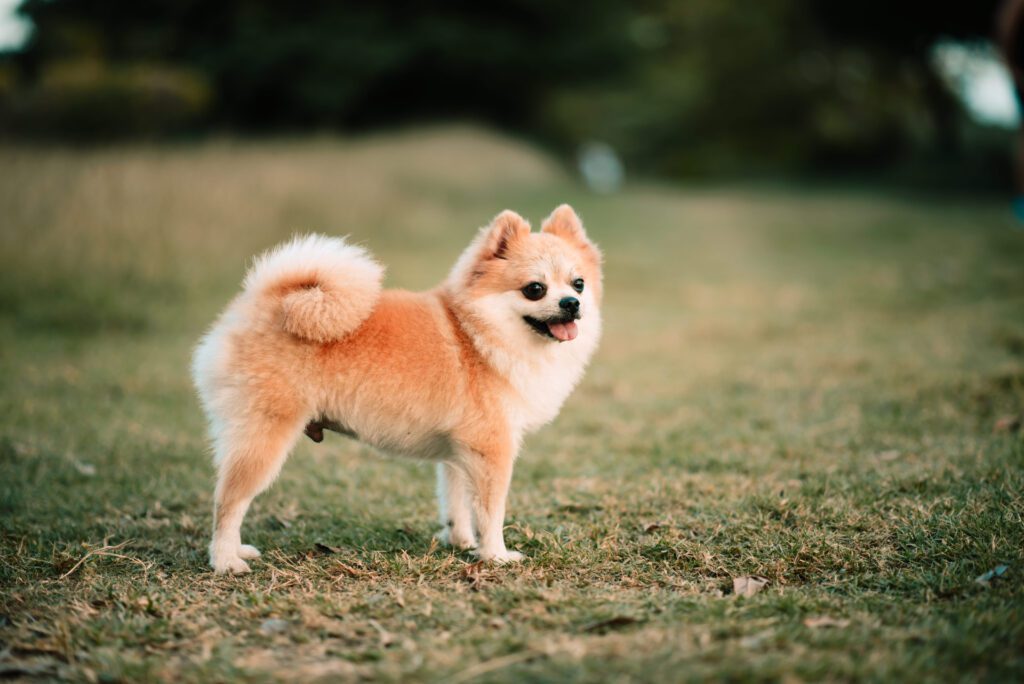

The Pomchi blends the big personality of the Pomeranian with the devotion of the Chihuahua. This compact companion dog stays alert, loves to be near people, and brings cheerful energy to daily life. Many Pomchis do well in apartments and townhomes because they take up little space and enjoy short, frequent walks. They thrive on attention, daily play, and gentle structure.
Thoughtful research sets every adoption up for success. A Pomchi can be vocal, sensitive, and very attached to a primary person, so new owners should plan for training, daily mental enrichment, and steady routines. Adoption offers a direct way to help a dog in need while supporting humane care, and it often includes essential veterinary services that give a healthy start.
Connecticut’s four-season climate brings cold winters and humid summers, which means careful management for a small dog with a big coat. Winter walks call for a warm sweater and paw protection. Summer outings work best in the morning and evening with shade and water. The state’s coastal towns, suburban neighborhoods, and walkable city streets all suit the Pomchi lifestyle when owners commit to regular exercise and social time while managing noise for close neighbors.
You can avoid searching rescues and shelters separately by using Dog Academy to browse current Pomchi listings across Connecticut. Dog Academy also offers educational guides and adoption checklists that explain requirements, timelines, and preparation. You can still contact local animal shelters, regional rescues, and breed-specific rescue groups, but a single listing hub saves time and helps you compare options quickly.
Start by browsing listings and reading each profile closely. Review age, size, coat type, energy level, medical notes, and any behavior information. Make sure a Pomchi’s traits fit your home, your schedule, and your experience level. Most organizations post clear instructions about applications. Expect to share details about your household, your schedule, your training plans, and your veterinary history. Landlord approval is often required for renters and should be secured in writing before you apply.
Once an application is approved, the next steps usually include a meet-and-greet and a home check. A meet-and-greet allows you to see how the Pomchi responds to you and your family in a calm setting. A home check confirms safe fencing, secure doors, and an area for rest and feeding. Some groups also offer a foster-to-adopt period so you can confirm fit before finalizing. Communication stays important at each step because small companion breeds can be sensitive to change and need a thoughtful transition.
Approval timelines vary by organization. A straightforward local adoption can move from application to pickup within 1 to 3 weeks when references respond quickly and the match is clear. If a Pomchi is located out of state, rescues may arrange transport to move dogs between locations. Transport typically uses vetted ground carriers who follow set routes, keep dogs crated for safety, and coordinate pickups at agreed meeting points. Transport can add time and a modest fee, and schedules depend on driver availability and weather.

|
How Much Does It Cost to Adopt a Pomchi in Connecticut?Most Connecticut organizations list Pomchi adoption fees between $350 and $600. The range reflects higher veterinary costs in the region and strong demand for small companion dogs. Puppies tend to sit at the top of the range. Young adults often fall in the middle. Seniors or dogs with ongoing medical needs may be lower but can carry future care costs that you should plan to cover. Fees generally include spaying or neutering, vaccinations, microchipping, and veterinary exams. Pricing also shifts with age, training, medical care, and demand. A Pomchi with recent dental care, professional grooming, or behavior support may cost more because those services improve health and adoptability. When transport is included, the fee can rise to cover carrier costs and supplies. Always request an itemized summary so you understand the value behind the price. |
How Should I Train a Pomchi?Pomchis are bright, people-focused, and quick to learn when training stays upbeat and consistent. They respond best to positive reinforcement that uses treats, toys, and praise to reward good choices. Keep sessions short and fun to match a small dog’s attention span. Early socialization builds confidence around new people, children, and calm dogs. Common challenges include barking, alert reactivity at windows, and pushy greetings. Teach a solid quiet cue, reward calm on a mat, and reinforce a hand target for redirects. House training improves with a clear schedule, frequent outdoor breaks, and careful management during weather extremes. Gentle grooming practice helps too because many Pomchis have fluffy coats that need regular brushing. You can build skills step by step with Dog Academy’s online training courses. Structured lessons cover manners, socialization, crate training, and problem prevention. Clear video guidance, printable plans, and trainer support help you turn daily routines into steady progress. |

|
The ideal Pomchi adopter enjoys close companionship, values routine, and has time for several short walks and play sessions each day. A calm home with patient adults or gentle children works best. Preparation matters, so gather supplies, confirm vet care, and set clear house rules before your new dog arrives.
Take your time, ask detailed questions, and make choices that protect the dog’s comfort and your lifestyle. When you move at a thoughtful pace, you give a Pomchi the stable start that leads to a joyful and lasting match in Connecticut.

Introducing a new puppy to your current dog is often an exciting process, and many dogs will become fast friends and eas...
Read More
Rescue dogs can make great companions and can transform your home into something better. These dogs make great pets and ...
Read More
You should never rush to pet a dog. Even dog owners make the mistake of approaching unfamiliar dogs and petting them rig...
Read More
Puppy mill dogs are survivors who have endured extreme hardships in their lives. They have grown up in horrendous, unsan...
Read More
With their wagging tails and comforting presence, adopting a dog can add a unique touch to your life. It’s a heart...
Read More
Older dogs may have a few gray hairs around the edges, but that doesn’t mean they can’t make wonderful companions! T...
Read More