

























































































































































































Introducing a new puppy to your current dog is often an exciting process, and many dogs will become fast friends and eas...
Read MoreAdopt Me

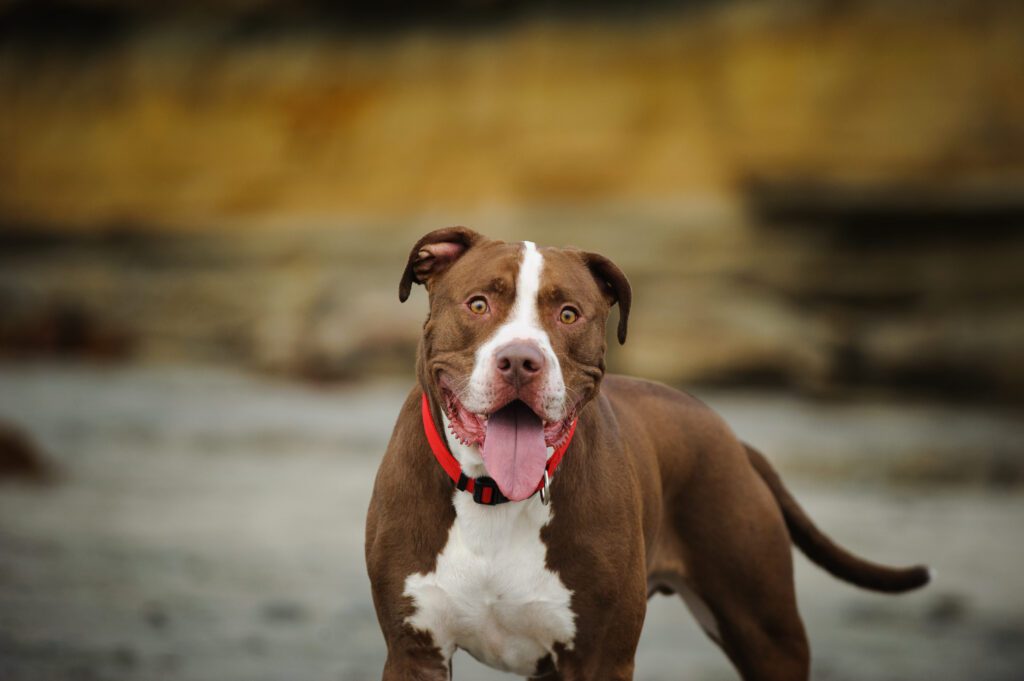
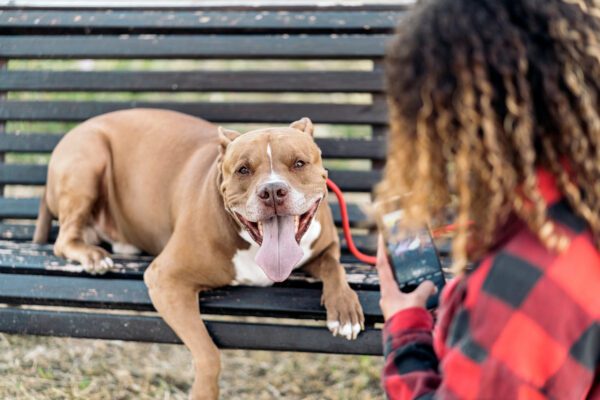
Pitbulls are affectionate, athletic, and deeply people focused. Many thrive as family companions because they love attention, enjoy exercise, and respond well to training. Careful research matters before you bring one home because this strong, energetic breed needs daily structure, clear rules, and regular enrichment to stay happy and calm.
Adoption gives a deserving dog a second chance while also giving you transparency about temperament and needs. Many adoptable Pitbulls live in foster homes, which helps evaluators learn about manners, energy level, and compatibility with other pets. Adopting instead of buying also supports responsible rehoming and reduces unnecessary breeding.
Texas offers great options for active dogs, from suburban neighborhoods to wide open spaces. Hot summers create real heat risks, so you must schedule exercise during cooler hours, provide shade and water, and protect paws on hot surfaces. Winters are mild across most regions, which helps maintain a steady exercise routine. Urban living can work well with daily walks and mental games, while rural living calls for secure fencing and reliable recall. Housing policies sometimes restrict breeds, so you should confirm approval with your landlord and insurer before you apply.
You can avoid searching for shelters and rescues separately by using the adoption listings on Dog Academy. You can browse available Pitbulls in Texas, read detailed profiles, and inquire directly. Dog Academy also offers educational guides and adoption checklists that help you plan supplies, prepare your home, and understand screening steps.
You can find adoptable dogs through local animal shelters, regional rescues, and breed-specific rescue groups. Municipal shelters often post updated rosters, and rescue groups place dogs in foster homes to learn about behavior. Many organizations accept out-of-area adopters if you can complete screening and arrange safe pickup.
The adoption process starts with browsing listings and selecting dogs that match your lifestyle. Most applications ask about your household, schedule, yard or exercise plan, training approach, and veterinary history. You may need written landlord approval if you rent, as well as proof of identification. After you apply, coordinators review your information, check references, and schedule meet-and-greets. A meet-and-greet allows your family and resident dogs to interact with the candidate dog in a neutral space. Some groups also conduct a home check through a short visit or a virtual tour to confirm safety and readiness. Approval timelines vary by organization and can take from a few days to 2 weeks based on volume and your responsiveness.
Once approved, you sign an adoption agreement, pay the fee, and plan pickup. Many groups provide a starter packet and current medical records. Transport is sometimes arranged by rescues to move dogs between locations when a good match is found, and coordinators manage scheduling, health certificates, and safe handoffs. You should arrive with a secure collar, an identification tag, a well-fitted harness, and a crate for safe travel. Expect follow-up calls to support the transition and to answer early training questions.

|
How Much Does It Cost to Adopt a Pitbull in Texas?Most adopters in Texas pay about $125 to $300 to adopt a Pitbull. Fees reflect the dog’s age, training, medical care, and local demand. Puppies and dogs with recent training often sit at the higher end, while senior dogs sometimes cost less. The fee usually helps cover spaying or neutering, vaccinations, microchipping, and veterinary exams. Costs can be higher if the dog received specialized medical treatment or professional training. Some rescues include a starter supply kit or post-adoption support, which can also influence the final price. |
How Should I Train a Pitbull?Pitbulls are intelligent, eager to please, and highly food motivated, which makes positive reinforcement the best approach. Reward calm behavior, teach impulse control, and practice daily basics. Focus on sit, down, stay, recall, and loose-leash walking. Add crate training to support restful sleep and safe management. Keep sessions short, upbeat, and consistent so your dog builds confidence and trust. Many Pitbulls love people yet can be selective with unfamiliar dogs, which means you should manage greetings and build skills carefully. Socialize with stable, well-mannered dogs under controlled conditions. Teach polite greetings, a reliable leave-it, and a strong recall. Provide puzzle toys, scent games, and structured exercise to prevent boredom and frustration. For step-by-step guidance, explore Dog Academy’s online training courses, which offer clear lessons that fit busy Texas schedules. |
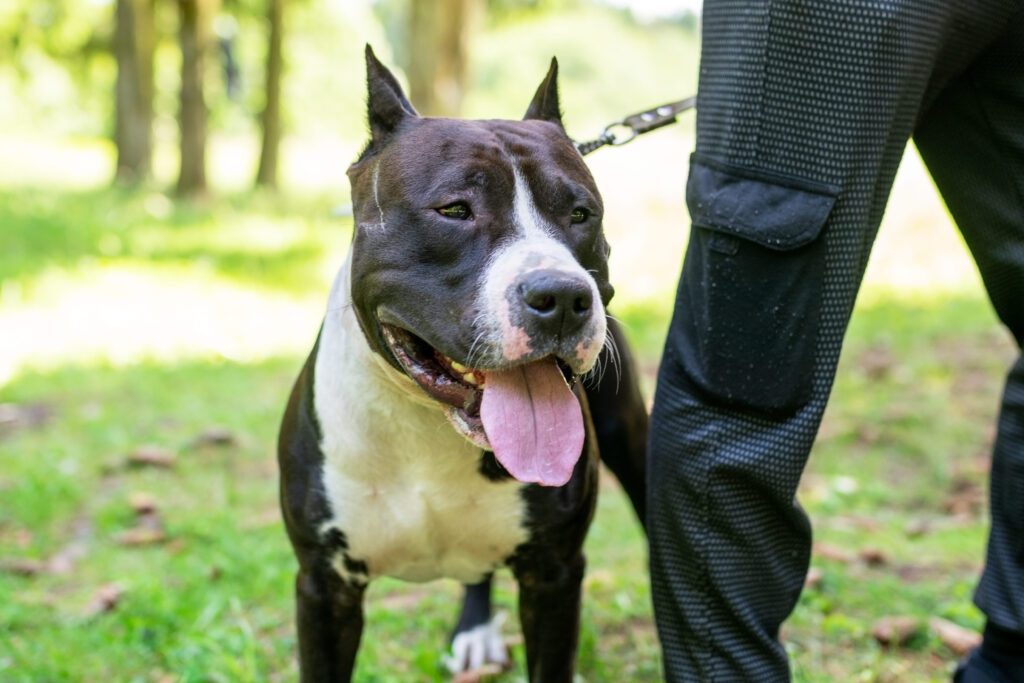
|
The ideal adopter enjoys daily activity, uses kind leadership, and commits to consistent training. A secure yard or a reliable walking routine helps meet exercise needs. A calm routine, quality nutrition, and regular veterinary care round out a stable life.
Take your time, ask detailed questions, and prepare your home before you bring your new companion inside. When you feel ready, start with Dog Academy’s adoption listings, learn from expert resources, and move at a thoughtful pace. The right Pitbull is out there, and careful planning will help you build a lasting bond.
Introducing a new puppy to your current dog is often an exciting process, and many dogs will become fast friends and eas...
Read More
Rescue dogs can make great companions and can transform your home into something better. These dogs make great pets and ...
Read More
You should never rush to pet a dog. Even dog owners make the mistake of approaching unfamiliar dogs and petting them rig...
Read More
Puppy mill dogs are survivors who have endured extreme hardships in their lives. They have grown up in horrendous, unsan...
Read More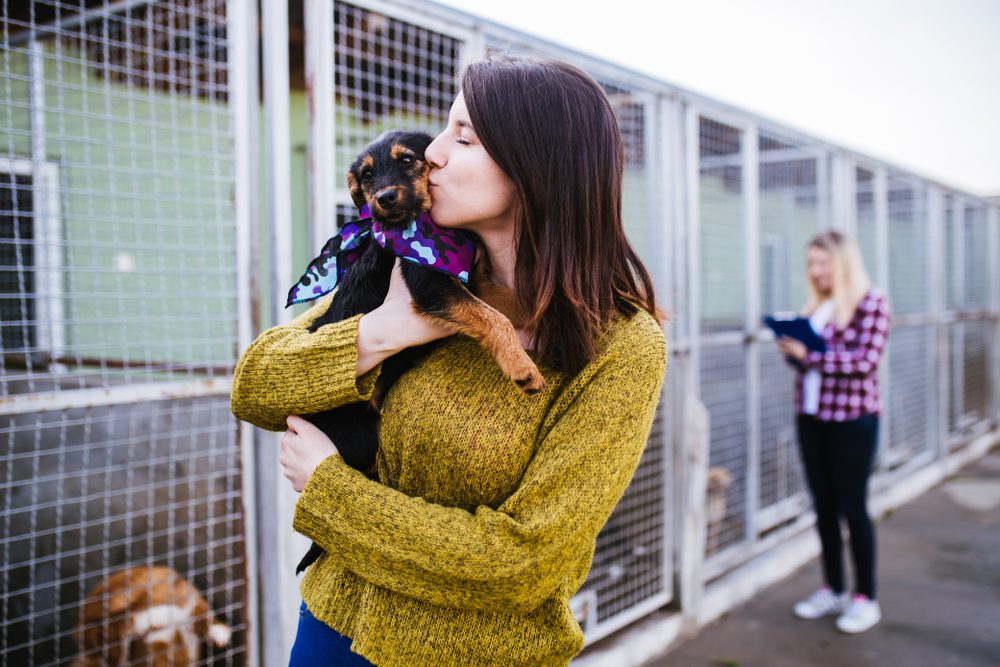
With their wagging tails and comforting presence, adopting a dog can add a unique touch to your life. It’s a heart...
Read More
Older dogs may have a few gray hairs around the edges, but that doesn’t mean they can’t make wonderful companions! T...
Read More