



























































































































































































Introducing a new puppy to your current dog is often an exciting process, and many dogs will become fast friends and eas...
Read MoreAdopt Me

Miss Chestnut
Hillside, IL
Breed: Nova Scotia Duck-Tolling Retriever
Sex: Female
Age: puppy




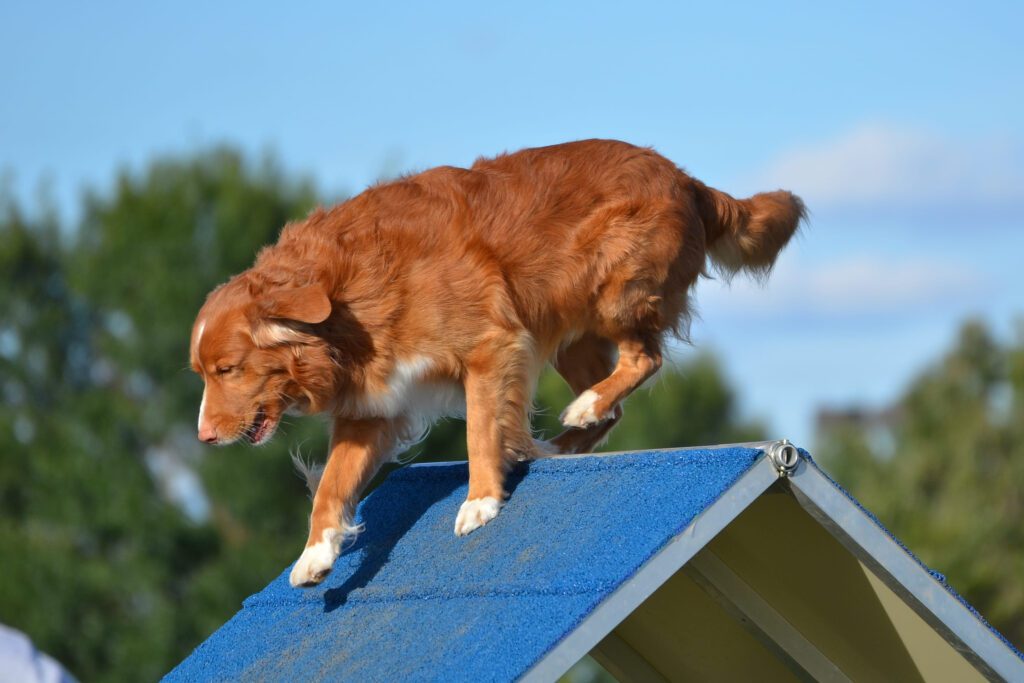
The Nova Scotia Duck Tolling Retriever is a bright, athletic, and affectionate dog that loves to work and loves to play. Tollers excel at retrieving, water games, and problem solving, and they thrive with daily interaction. Their fox-red coats and expressive eyes draw attention, but their real appeal is a blend of eagerness, stamina, and devotion to family.
Research matters before you bring home any Toller. Adoption gives a deserving dog a new start and supports the lifesaving work of shelters and rescues. It also often includes essential veterinary care, which makes adoption both compassionate and practical. Indiana’s climate suits this double-coated breed in winter, while hot and humid summers call for shade, fresh water, and exercise during cooler hours. Lakes, reservoirs, and trails across Indiana provide ideal outlets for a water-loving retriever, and suburban or rural homes can work well when daily training and activity are part of the routine.
You can skip searching shelters and rescues one by one by starting with listings on Dog Academy. You can view available dogs in one place, filter for age and location, and access educational guides and adoption checklists that help you prepare each step. You can also check local animal shelters, regional rescues, breed-specific rescue groups, and foster networks across the Midwest. Tollers are uncommon, so widening your search area often helps. When distance is a factor, rescues sometimes arrange transport to move dogs between locations, which usually involves coordinated drivers, health certificates, and a scheduled pickup plan.
The process usually begins with browsing listings and reading each profile in full. Profiles often note energy level, social preferences, medical needs, and training history. The next step is submitting an application that includes personal references, proof of housing stability, and landlord approval when you rent. Many groups ask about your daily schedule, your exercise plans, and your experience with high-energy breeds, because Tollers need both movement and mental work.
After your application is reviewed, you may complete a phone interview and a virtual or in-person home check. Home checks ensure safety by confirming secure fencing, safe storage of chemicals, and a plan for supervision. Meet-and-greets follow for compatible matches, which allow you to observe the dog’s behavior, discuss routines, and confirm expectations about training and care. If everyone agrees, you sign an adoption contract, pay the fee, and schedule pickup or transport.
Approval timelines vary. Straightforward adult placements can move from application to approval in 1 to 2 weeks. Puppies or special matches may take 2 to 4 weeks, especially when coordinating vetting, transport, or behavior support. Clear communication, prompt responses, and honest answers about your lifestyle help the process move smoothly.

|
How Much Does It Cost to Adopt a Nova Scotia Duck Tolling Retriever in Indiana?In Indiana, a realistic adoption fee for a Nova Scotia Duck Tolling Retriever is typically $300 to $600. Puppies and highly adoptable young adults tend to be near the top of the range, while seniors or dogs with ongoing medical needs may be near the lower end. Fees can increase when organizations invest in advanced care or training before placement. The adoption fee usually includes spaying or neutering, vaccinations, microchipping, and veterinary exams. Costs also reflect age, demand for the breed, prior training, and any medical treatment such as dental cleanings or heartworm care. Asking what the fee covers helps you compare value between organizations and plan responsibly for future care. |
How Should I Train a Nova Scotia Duck Tolling Retriever?Tollers are intelligent and eager, which makes training rewarding when you use short, upbeat sessions. Positive reinforcement builds focus and enthusiasm, and it helps channel their keen drive into good habits. Start with foundation skills like name recognition, recall, loose-leash walking, settle on a mat, and polite greetings. Add impulse control games that ask for eye contact, a sit before doors open, and a calm wait before retrieving. Common challenges include vocal excitement, jumping for attention, and chasing wildlife. You can address these with structured exercise, enrichment that includes scent work and puzzle toys, and clear reinforcement of quiet behavior. Water retrieves, fetch with rules, and trick training keep minds and bodies engaged. For step-by-step guidance tailored to active breeds, explore Dog Academy’s online training courses, which offer clear lessons you can follow at home and at your local park or lakefront. |
|
The best match for a Toller is an owner who enjoys daily activity, consistent training, and shared adventures in all seasons. Preparation is essential, which means setting up a routine, planning exercise, and organizing supplies before the dog comes home. Take your time, ask questions, and use trusted resources to guide each decision. With patience, thoughtful research, and the right training plan, you can adopt a Nova Scotia Duck Tolling Retriever in Indiana and build a happy, healthy partnership for years to come.

Introducing a new puppy to your current dog is often an exciting process, and many dogs will become fast friends and eas...
Read More
Rescue dogs can make great companions and can transform your home into something better. These dogs make great pets and ...
Read More
You should never rush to pet a dog. Even dog owners make the mistake of approaching unfamiliar dogs and petting them rig...
Read More
Puppy mill dogs are survivors who have endured extreme hardships in their lives. They have grown up in horrendous, unsan...
Read More
With their wagging tails and comforting presence, adopting a dog can add a unique touch to your life. It’s a heart...
Read More
Older dogs may have a few gray hairs around the edges, but that doesn’t mean they can’t make wonderful companions! T...
Read More