




























































































































































































Introducing a new puppy to your current dog is often an exciting process, and many dogs will become fast friends and eas...
Read MoreAdopt Me

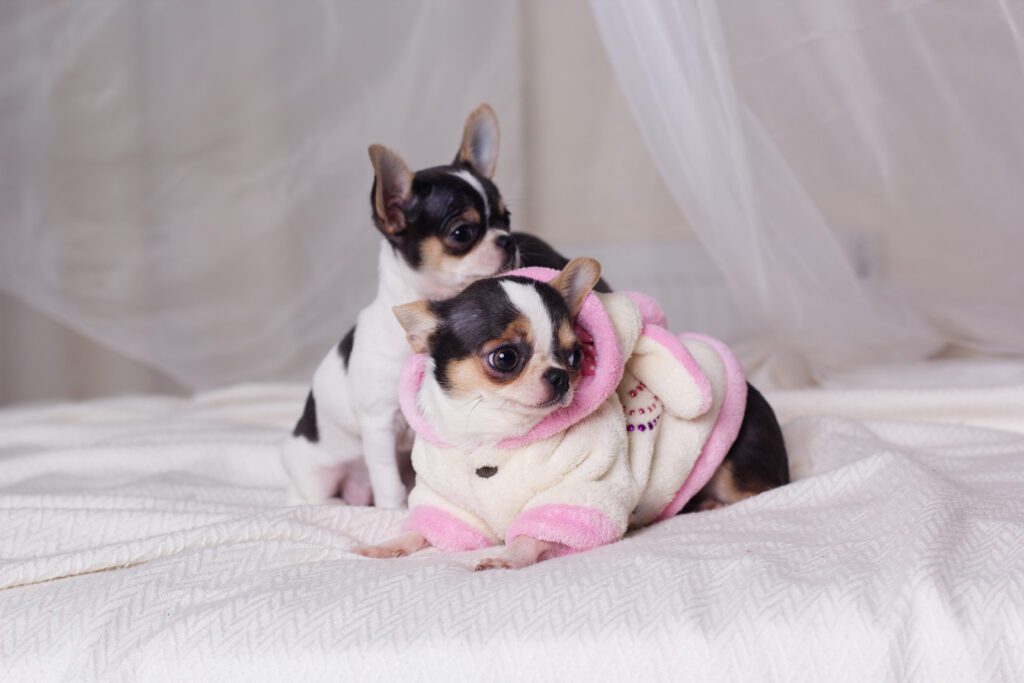
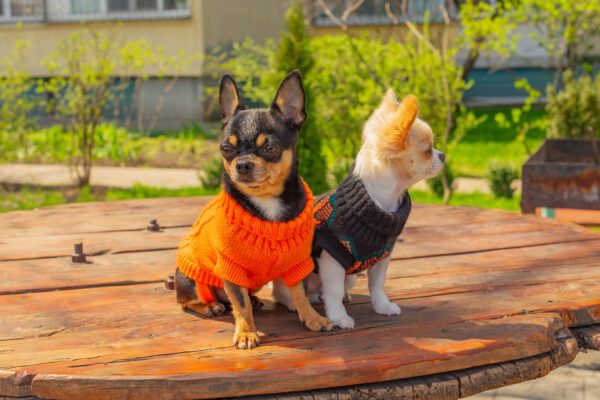
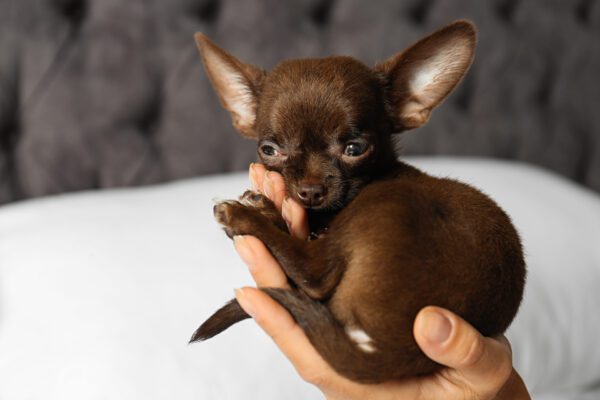
Teacup Chihuahuas are tiny companions with big personalities. They are alert, affectionate, and loyal to their people. The term Teacup Chihuahua is an informal description for very small Chihuahuas, and these dogs often weigh 2 to 5 pounds. Their small size makes them easy to keep in apartments and condos, and their devotion makes them wonderful lap dogs.
Research is essential before you adopt a Teacup Chihuahua in Indiana. This breed is delicate and cold sensitive. Indiana has cold winters with snow, ice, and wind that can chill a small dog quickly. Summers can be hot and humid, which can stress a small dog that overheats easily. Short outdoor breaks, climate control indoors, and protective clothing during winter help keep a Teacup Chihuahua comfortable. Gentle handling is critical because small bones can be injured by rough play or accidental falls.
Adoption is a compassionate choice because it gives a dog a second chance while discouraging irresponsible breeding. Indiana’s mix of urban apartments, suburban neighborhoods, and quiet rural homes suits this breed well. A Teacup Chihuahua thrives with indoor living, short daily walks, and safe play on secure surfaces. Supervision in yards is important to prevent escapes through small gaps and to avoid injuries on steps or rough terrain. The right match begins with understanding the breed’s needs and your lifestyle.
You can avoid searching shelters and rescues separately by using Dog Academy to browse current adoption listings in one place. You can also use Dog Academy’s educational guides and adoption checklists to prepare for each step. You can still explore local animal shelters, regional rescues, foster networks, and breed-specific rescue groups if you want to widen your search. Clear photos, medical notes, and personality summaries on listings help you decide which dogs may fit your home.
The process usually begins by browsing listings and submitting an application. Applications often ask about household members, landlord approval, current pets, and your schedule. Some groups ask for personal references or a veterinary reference to confirm pet history. A quick and complete application helps reviewers understand your experience and readiness for small-dog care.
Next steps commonly include a phone interview and a meet-and-greet. Meet-and-greets can happen at a shelter, in a foster home, or at a neutral location. Many groups conduct a virtual or in-person home check to confirm safe fencing, secure doors, and a plan for small-dog safety such as blocked stairs and soft bedding. Approval timelines vary, and decisions can take a few days to a few weeks based on demand and volunteer availability. Prompt replies and flexibility with scheduling keep the process moving.
When matched, you sign an adoption contract and pay the fee. You receive medical records, microchip details, and guidance for the first weeks at home. Some rescues arrange transport to move dogs between locations when a good match is outside the immediate area. Transport is often organized by volunteers or partner services that follow safety protocols and schedule handoffs along a route. Modest transport fees may be added to cover fuel and supplies, and the group explains the timing and logistics in advance.
|
How Much Does It Cost to Adopt a Teacup Chihuahua in Indiana?Most adopters in Indiana can expect an adoption fee of $250 to $400 for a Teacup Chihuahua. Puppies and highly in-demand adults often sit at the higher end, while seniors and special-needs dogs may be closer to the lower end. Fees sometimes rise above this range when recent medical care is included, such as advanced dental work or specialized diagnostics. The fee usually covers spaying or neutering, vaccinations, microchipping, and veterinary exams. Pricing also reflects age, training, medical history, and overall demand for very small dogs. A dog that is already crate trained, house trained, and socialized may cost more because preparation reduces your immediate training workload. Transparent itemization from the rescue helps you see exactly what the fee supports. |
How Should I Train a Teacup Chihuahua?Teacup Chihuahuas are intelligent and eager to bond, which makes them responsive to positive reinforcement. Short sessions with soft treats, a calm voice, and clear cues build confidence. Gentle body handling exercises help your dog accept nail trims, brushing, and veterinary exams. A harness instead of a collar protects the trachea during leash training, and a snug fit prevents wriggling out. Common challenges include house training, barking, and fearfulness around larger dogs or strangers. Frequent potty breaks and a consistent schedule support house training, and many small-dog owners use indoor potty pads or a litter box to bridge bad weather in Indiana. Reward quiet behavior before barking escalates, and introduce controlled socialization with steady dogs and friendly people to reduce reactivity. If you want structured help, Dog Academy’s online training courses provide step-by-step lessons for small breeds, including foundation skills, enrichment, and polite manners tailored to tiny dogs. |
|
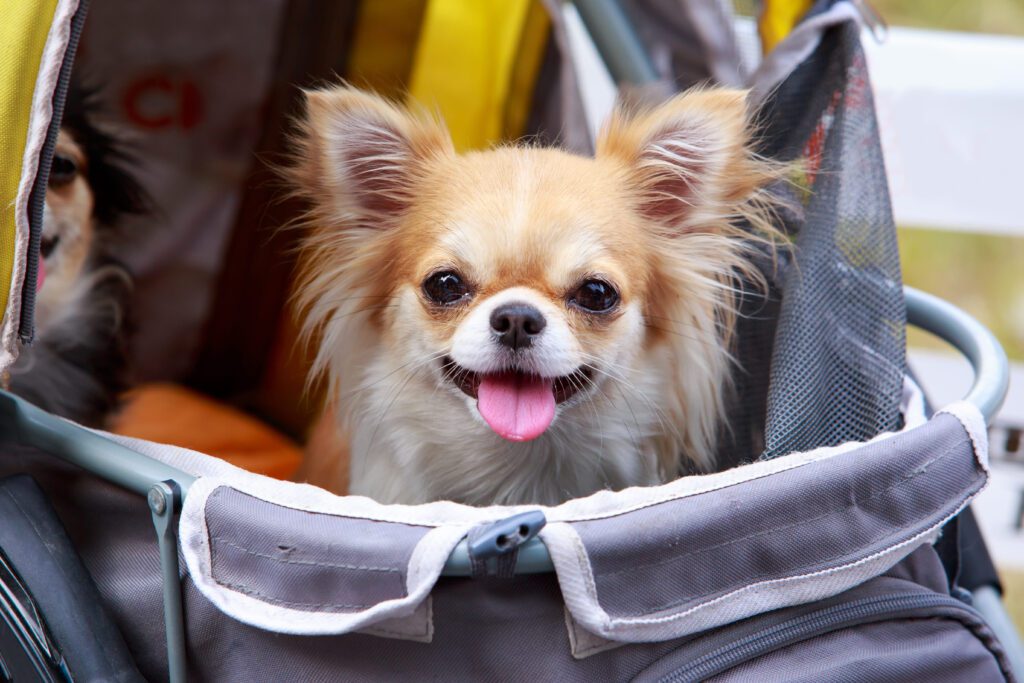
The ideal owner for a Teacup Chihuahua enjoys close companionship, practices gentle handling, and maintains a steady routine. Households with patient adults and older, dog-savvy children tend to be a strong fit. A calm resident dog can be a good mentor if introductions are slow and supervised. Warm bedding, ramps for furniture, and safe chew options make daily life easier for a small dog.
Preparation sets you and your new companion up for success. Take time to research, gather supplies, and plan for climate needs across Indiana’s seasons. Start with secure management, daily enrichment, and positive training from day one. When you are ready to adopt a Teacup Chihuahua in Indiana, use Dog Academy to streamline your search and to find practical guidance that supports a happy life together.

Introducing a new puppy to your current dog is often an exciting process, and many dogs will become fast friends and eas...
Read More
Rescue dogs can make great companions and can transform your home into something better. These dogs make great pets and ...
Read More
You should never rush to pet a dog. Even dog owners make the mistake of approaching unfamiliar dogs and petting them rig...
Read More
Puppy mill dogs are survivors who have endured extreme hardships in their lives. They have grown up in horrendous, unsan...
Read More
With their wagging tails and comforting presence, adopting a dog can add a unique touch to your life. It’s a heart...
Read More
Older dogs may have a few gray hairs around the edges, but that doesn’t mean they can’t make wonderful companions! T...
Read More