



























































































































































































Introducing a new puppy to your current dog is often an exciting process, and many dogs will become fast friends and eas...
Read MoreAdopt Me

Miss Chestnut
Hillside, IL
Breed: Nova Scotia Duck-Tolling Retriever
Sex: Female
Age: puppy



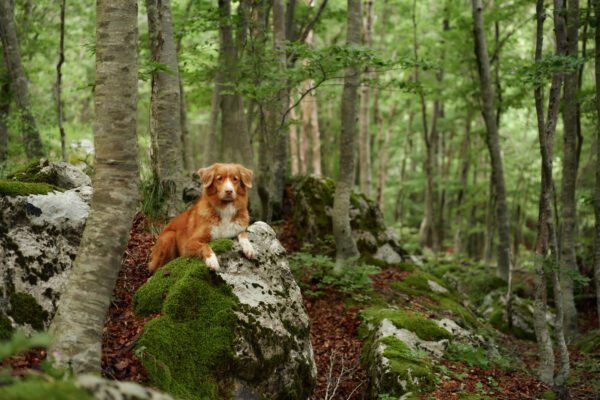
The Nova Scotia Duck Tolling Retriever is a smart, athletic, and affectionate companion that thrives on activity and human connection. This energetic retriever enjoys water play, field games, and problem-solving, which makes the breed a great fit for active families and outdoor enthusiasts. A Toller rewards patient training with loyal companionship and a cheerful attitude.
It is important to research before you adopt a Nova Scotia Duck Tolling Retriever in Alabama because the breed has high exercise needs, a strong retrieving drive, and a sensitive nature. Adoption is preferable to buying because you give a dog a second chance, you support lifesaving work, and you usually receive a dog that has already received core veterinary care. Careful preparation helps you choose a dog whose energy level and temperament match your lifestyle.
Alabama offers many lakes, rivers, and trails that suit a water-loving retriever. The state’s hot and humid summers require thoughtful management that includes early or late exercise, shade, and steady hydration. Rural properties offer space for training and field games, while city living can work with daily walks and structured enrichment. Regular tick and flea prevention is important in Alabama’s warm climate, and consistent grooming helps manage the Toller’s shedding year-round.
You can find adoptable Tollers through local animal shelters, regional rescues, and breed-specific rescue groups. The breed is uncommon, so cast a wide net across Alabama and neighboring states. You can avoid searching rescues and shelters separately by browsing listings in one place through Dog Academy. Dog Academy also provides educational guides and adoption checklists that help you prepare for a smooth transition.
Start by browsing listings to review photos, behavior notes, and medical histories. Submit an application that includes information about your home, your schedule, your experience with dogs, and your training plans. Many groups verify references and confirm landlord approval when applicable. A volunteer or staff member often schedules a phone interview to discuss your goals and to ensure the dog’s needs match your environment.
Next comes a meet-and-greet. You meet the dog, you observe manners on leash, and you confirm compatibility with family members. If you have resident pets, a controlled introduction helps everyone feel safe. Some groups conduct a home check that can be in person or virtual to confirm safe fencing, secure doors, and appropriate spaces for rest and feeding. Approval timelines vary, but most adopters in Alabama move from application to decision in 1 to 3 weeks when communication is prompt.
Final steps include signing an adoption contract, paying the fee, and picking up your dog with a proper collar, an identification tag, and a sturdy leash. Rescues sometimes arrange transport to move dogs between locations when the right match lives farther away. Transport is often organized through volunteer drivers or paid services that move dogs by ground or flight while coordinating health certificates when required. Clear expectations and regular updates make transport day go smoothly.
|
How Much Does It Cost to Adopt a Nova Scotia Duck Tolling Retriever in Alabama?In Alabama, most adopters pay $300 to $550 to adopt a Nova Scotia Duck Tolling Retriever. Fees tend to be higher for puppies and dogs with advanced training and lower for seniors. Costs reflect veterinary care, demand for the breed, and the resources of the shelter or rescue. Typical inclusions are spaying or neutering, vaccinations, microchipping, and veterinary exams. Many Alabama groups also provide heartworm testing, preventives, and treatment when needed, which can increase fees for affected dogs. Geography can affect cost as well. Urban areas with high demand may sit near the top of the range, while rural shelters may fall near the middle. Rare availability of purebred Tollers can also nudge fees higher because organizations must cover medical care and responsible placement services. |
How Should I Train a Nova Scotia Duck Tolling Retriever?The Nova Scotia Duck Tolling Retriever is highly intelligent and eager to work, which makes training both rewarding and essential. Short, focused sessions with food rewards and toy play keep the breed engaged. Positive reinforcement builds confidence and creates reliable behaviors that hold up in distracting environments. Common challenges include vocal excitement, intense focus on moving objects, and boredom when exercise is inconsistent. Prioritize impulse control, recall, loose-leash walking, and a calm settle on a mat. Daily mental work should include scent games, puzzle feeders, and structured retrieves in safe water when conditions allow. Consistency prevents frustration and channels energy into useful skills. You can build a complete plan with Dog Academy’s online training courses. Step-by-step lessons cover puppy foundations, obedience, leash skills, recall, and enrichment that suits a high-drive retriever. Clear guidance helps you turn natural enthusiasm into reliable manners at home and in public. |

|
The ideal adopter enjoys daily activity, values structured training, and provides patient guidance. A Toller thrives with owners who offer 60 to 90 minutes of combined physical exercise and mental enrichment each day. Reliable routines, thoughtful heat management, and regular grooming keep the dog comfortable and healthy in Alabama.
Take time to research, to prepare your home, and to plan your first month of training and veterinary care. When you adopt a Nova Scotia Duck Tolling Retriever in Alabama with a thoughtful approach, you set the stage for a happy partnership that lasts for years. Browse listings, ask questions, and move at a pace that ensures the right match for you and for the dog.

Introducing a new puppy to your current dog is often an exciting process, and many dogs will become fast friends and eas...
Read More
Rescue dogs can make great companions and can transform your home into something better. These dogs make great pets and ...
Read More
You should never rush to pet a dog. Even dog owners make the mistake of approaching unfamiliar dogs and petting them rig...
Read More
Puppy mill dogs are survivors who have endured extreme hardships in their lives. They have grown up in horrendous, unsan...
Read More
With their wagging tails and comforting presence, adopting a dog can add a unique touch to your life. It’s a heart...
Read More
Older dogs may have a few gray hairs around the edges, but that doesn’t mean they can’t make wonderful companions! T...
Read More