

































































































































Introducing a new puppy to your current dog is often an exciting process, and many dogs will become fast friends and eas...
Read MoreAdopt Me

Habanero
Morton Grove, IL
Breed: Nova Scotia Duck-Tolling Retriever
Sex: Female
Age: 11 mos




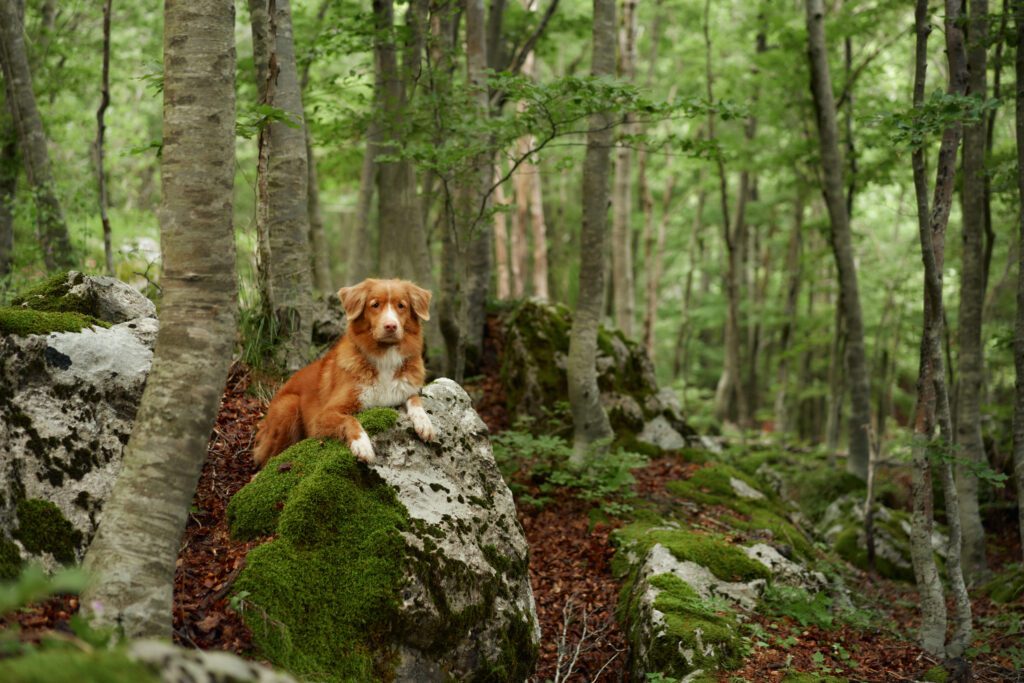
The Nova Scotia Duck Tolling Retriever is a smart, athletic, and affectionate companion. This breed enjoys purposeful activity, close family time, and fun games that involve retrieving and problem solving. A Toller loves water and play, yet still settles well with a family that provides structure and training. Careful research before adoption helps you match energy levels, grooming needs, and temperament with your lifestyle.
Adoption gives a dog a second chance and supports organizations that prioritize welfare over profit. Adopting rather than buying also helps you access behavior insights and medical records that support a smoother transition. Texas offers ample outdoor space, from urban greenbelts to ranch land, which fits a working sporting breed. The hot summer climate in many regions of Texas requires careful heat management for a double-coated dog. Early walks, shaded rest, and access to water help a Toller thrive in this state.
Texas covers diverse geography that ranges from humid Gulf Coast areas to arid plains. A Toller can adapt well with the right routine. Consistent exercise, mental enrichment, and water breaks protect joint health and prevent overheating. Preparation makes life with this energetic breed rewarding and sustainable across Texas lifestyles.
You can skip searching rescues and shelters one by one by browsing listings on Dog Academy. You will find adoptable Nova Scotia Duck Tolling Retrievers in Texas in one place, along with clear details and next steps. Dog Academy also provides educational guides and adoption checklists that help you prepare your home, budget, and schedule.
Adoptable Tollers in Texas may be listed by local animal shelters, regional rescues, or breed-specific rescue groups. Start by reviewing profiles for age, activity level, known training, and any medical notes. Read each description carefully and confirm the fit for your family, your home, and your daily routine. Reach out with questions about temperament, exercise needs, and compatibility with children or other pets.
The process usually begins with an online application. The application often asks for personal references, veterinary history if you have current pets, and proof of landlord approval if you rent. Many groups schedule a phone interview to discuss your experience, your schedule, and your plan for exercise and training. A meet-and-greet follows when the application looks promising. The meet-and-greet allows you to observe behavior, test basic cues, and confirm chemistry with every member of your household.
Home checks are common and help ensure safety. A representative may visit in person or conduct a virtual tour to review fencing, crate setup, and safe storage for food and cleaning supplies. Approval timelines vary by organization and by the dog’s readiness, though many adopters receive decisions within 1 to 3 weeks after the meet-and-greet. Some rescues arrange transport when a dog is located in another Texas city or in a nearby state. Transport is often coordinated by volunteers or professional carriers who move dogs safely between locations after an adoption is approved.

|
How Much Does It Cost to Adopt a Nova Scotia Duck Tolling Retriever in Texas?In Texas, expect adoption fees for a Nova Scotia Duck Tolling Retriever to fall around $300 to $550. The fee typically includes spaying or neutering, vaccinations, microchipping, and veterinary exams. Many groups also cover a behavior assessment and initial heartworm testing. Fees can rise toward the top of the range for puppies and young adults due to higher demand and recent medical care. Fees can be lower for seniors or dogs with ongoing needs. Costs vary with age, current training, recent medical care, and local demand for this active sporting breed. A dog that received dental work or heartworm treatment often costs more because those services are expensive in Texas. Some groups add modest charges if they provide transport within the region, which covers fuel and handling. Reviewing the itemized inclusions helps you compare value rather than price alone. |
How Should I Train a Nova Scotia Duck Tolling Retriever?The Nova Scotia Duck Tolling Retriever is bright, eager, and highly trainable. Short, upbeat sessions work best. Consistent positive reinforcement builds reliability and keeps this sensitive breed engaged. Reward sits, downs, stays, and recalls with treats and toys, and then channel natural retrieving drive into structured games. Common challenges include vocalizing when excited, jumping to greet, and pulling on leash when birds or squirrels appear. Address these patterns early with impulse control exercises, calm greetings, and loose leash practice away from heavy distractions. Daily mental enrichment through nose work, puzzle feeders, and retrieve drills prevents boredom. Water retrieves in safe, cool conditions provide joint-friendly exercise for Texas heat. For step-by-step guidance that fits busy schedules, explore Dog Academy’s online training courses. Courses cover manners, leash skills, recall, crate training, and enrichment plans that meet a Toller’s working mind. Clear video lessons, practice plans, and progress tracking help you build consistency and confidence. |
|
A great match for a Toller is an active person or family that enjoys training, regular outings, and purposeful play. Access to safe water is a plus, though not required when you provide early walks, shaded breaks, and puzzle-based enrichment. A fenced yard is helpful, or a routine that includes daily leashed exercise and structured games can work well.
Set yourself up for success with research, preparation, and patience. Plan your budget, gather supplies, schedule a veterinary visit, and create a simple training routine before your dog comes home. Take your time as you search, ask clear questions, and wait for the dog that fits your lifestyle. The right Nova Scotia Duck Tolling Retriever in Texas is worth the thoughtful effort.

Introducing a new puppy to your current dog is often an exciting process, and many dogs will become fast friends and eas...
Read More
Rescue dogs can make great companions and can transform your home into something better. These dogs make great pets and ...
Read More
You should never rush to pet a dog. Even dog owners make the mistake of approaching unfamiliar dogs and petting them rig...
Read More
Puppy mill dogs are survivors who have endured extreme hardships in their lives. They have grown up in horrendous, unsan...
Read More
With their wagging tails and comforting presence, adopting a dog can add a unique touch to your life. It’s a heart...
Read More
Older dogs may have a few gray hairs around the edges, but that doesn’t mean they can’t make wonderful companions! T...
Read More