



























































































































































































Introducing a new puppy to your current dog is often an exciting process, and many dogs will become fast friends and eas...
Read MoreAdopt Me
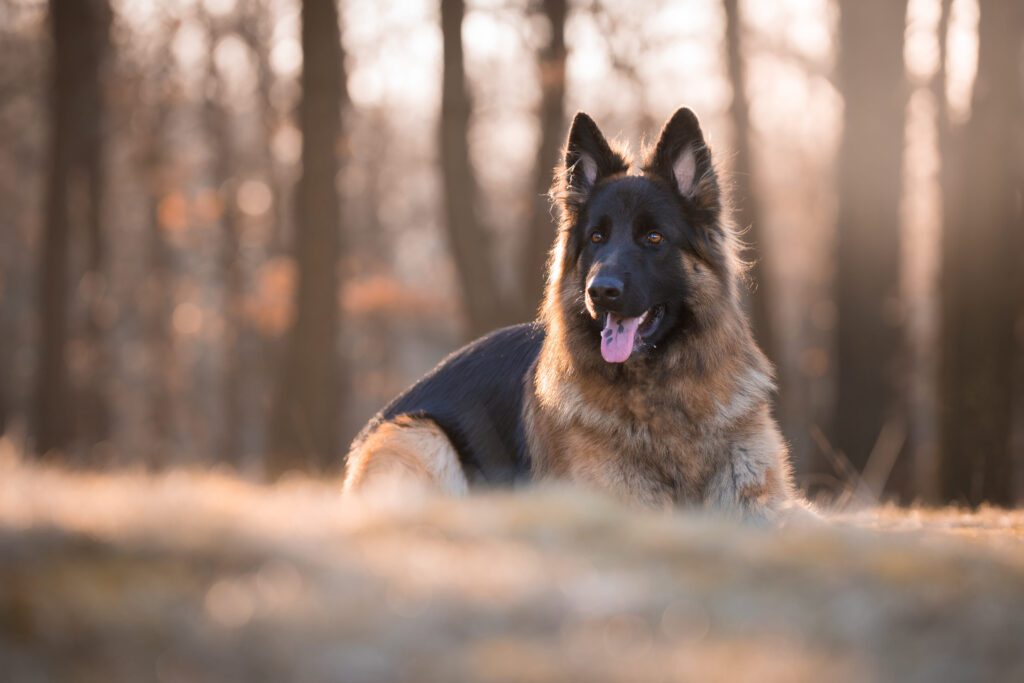
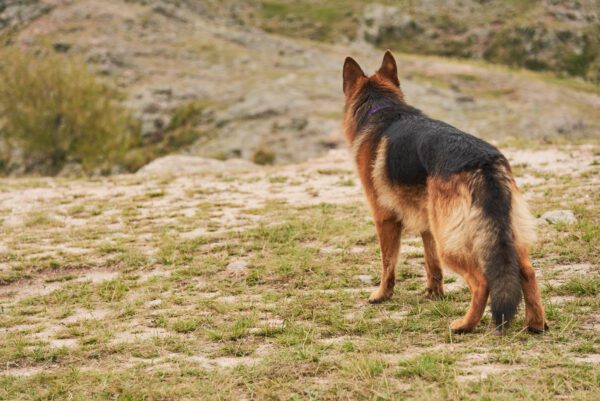
The King Shepherd is a large, devoted companion with a steady temperament and impressive intelligence. This breed bonds deeply with family, thrives on purposeful activity, and offers a calm yet confident presence at home. Research matters before you adopt because a dog this capable needs clear guidance, time for training, and daily exercise. Adoption is a thoughtful choice because it gives a deserving dog a second chance while supporting the lifesaving work of shelters and rescues.
Alabama offers many advantages for a King Shepherd. Suburban and rural properties often provide space for structured play and training, and many communities value active, outdoor lifestyles. The state’s hot, humid summers require care because a King Shepherd has a dense double coat and heavy seasonal shedding. Consistent shade, cool indoor rest, fresh water, and exercise during cooler hours keep this dog comfortable. Tick and mosquito control are also important because warm climates increase parasite pressure.
When you adopt a King Shepherd in Alabama, you set expectations for size, grooming, and activity from day one. The breed sheds heavily, needs regular brushing, and does best with daily mental work and physical exercise. Preparation helps you welcome a confident, well-adjusted dog into your home.
You can avoid searching shelters and rescues one by one by using Dog Academy to browse current adoption listings. This resource helps you filter for age, size, and location so you can focus on dogs that fit your lifestyle. You can also find adoptable King Shepherds through local animal shelters, regional rescues, and breed-specific rescue groups. Foster-based networks can share detailed notes on temperament, energy, and home manners, which helps you choose a good match.
Start by browsing listings and reading each profile with care. Look for notes on energy level, sociability with children and other pets, medical history, and any training progress. When you see a strong fit, submit an application that explains your schedule, home setup, fencing, and prior dog experience. Many groups contact references, verify landlord approval if you rent, and schedule a home check to confirm safety and space. A meet-and-greet usually follows so you can assess compatibility and see how the dog responds to you.
Approval timelines vary based on demand and the dog’s needs. Straightforward adoptions often complete within 3 to 14 days once your application is approved. Some rescues offer a short trial period known as a foster-to-adopt arrangement, which allows the dog to settle while both parties confirm the match. If the right King Shepherd is not in your immediate area, ask about transport. Transport is often arranged by rescues to move dogs between locations when a suitable adopter is found, and it may involve volunteer drivers or professional carriers who coordinate safe travel with required health certificates.
Throughout the process, make time to ask questions about behavior, medical care, and daily routines. A clear understanding of the dog’s needs helps you prepare supplies, schedule veterinary care, and plan training from day one. You can also use Dog Academy for adoption checklists and educational guides that keep you organized and confident.

|
How Much Does It Cost to Adopt a King Shepherd in Alabama?In Alabama, the typical adoption fee for a large shepherd-type dog such as a King Shepherd ranges from $200 to $400. Fees reflect the rescue’s investment in spaying or neutering, vaccinations, microchipping, and veterinary exams. Costs can increase when a dog receives advanced care such as heartworm treatment or orthopedic evaluation, which is more common with large breeds. Age, training, medical history, and local demand affect pricing. Younger dogs with basic training often fall near the higher end, while seniors or dogs needing ongoing medical care may be placed near the lower end to encourage adoption. Large breeds also eat more food while in foster care, which can influence final fees. Always request an itemized explanation so you understand exactly what the fee covers. |
How Should I Train a King Shepherd?The King Shepherd is highly intelligent and learns quickly when training is consistent and positive. Reward-based methods work best because this breed responds to clear structure, calm leadership, and generous reinforcement. Focus early on name recognition, recall, loose-leash walking, and reliable settling on a mat or bed. Daily mental enrichment such as puzzle feeding, scent games, and short obedience sessions helps channel energy into good habits. Common challenges include overexcitement on leash, protective tendencies around the home, and boredom that leads to nuisance behaviors. Prevent problems by socializing with stable dogs and friendly people, practicing calm greetings, and reinforcing quiet behavior at doors and windows. Teach impulse control through sit and wait before meals, doors, and car exits. Crate training supports safe downtime and smooth travel. For step-by-step guidance geared to real life in Alabama households, explore Dog Academy’s online training courses that cover foundation skills, leash manners, and advanced obedience. |
|
A King Shepherd is best for an adopter who enjoys daily activity, values a tidy routine, and has time for training and grooming. A fenced yard helps, though dedicated urban adopters can succeed with structured walks and consistent enrichment. Preparation matters because a large, intelligent dog needs clear expectations from the first day home.
Take your time, ask careful questions, and trust a process that puts the dog’s welfare first. When you match the right energy level and temperament to your lifestyle, you set the stage for a loyal companion who thrives in Alabama’s vibrant communities. Research thoroughly, plan your training approach, and move forward when everything feels right for you and the dog.

Introducing a new puppy to your current dog is often an exciting process, and many dogs will become fast friends and eas...
Read More
Rescue dogs can make great companions and can transform your home into something better. These dogs make great pets and ...
Read More
You should never rush to pet a dog. Even dog owners make the mistake of approaching unfamiliar dogs and petting them rig...
Read More
Puppy mill dogs are survivors who have endured extreme hardships in their lives. They have grown up in horrendous, unsan...
Read More
With their wagging tails and comforting presence, adopting a dog can add a unique touch to your life. It’s a heart...
Read More
Older dogs may have a few gray hairs around the edges, but that doesn’t mean they can’t make wonderful companions! T...
Read More