



























































































































































































Introducing a new puppy to your current dog is often an exciting process, and many dogs will become fast friends and eas...
Read MoreAdopt Me
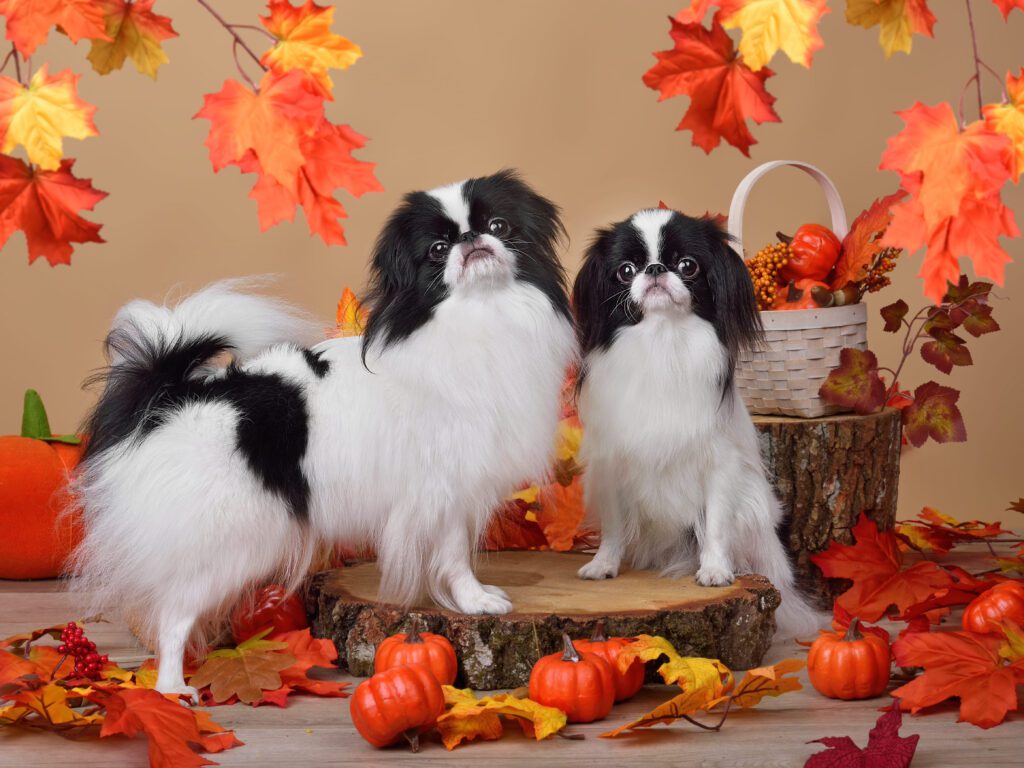



The Japanese Chin is a gentle, catlike companion that thrives on affection and quiet routines. This toy breed is cheerful, people focused, and content with short daily walks and indoor play. The breed offers a charming mix of elegance and humor, which makes it a favorite for calm homes that want a lap-friendly dog with a big personality.
Thoughtful research leads to better matches and happier outcomes. Adoption lets you learn a dog’s history, temperament, and needs before you commit. Adoption also gives a second chance to a dog that is already waiting for a home. Many adoptable Japanese Chins come with initial veterinary care, which reduces first-year costs and stress for new families.
Massachusetts suits this breed well because many residents live in apartments or walkable neighborhoods. The state’s cold winters and humid summers require extra care. A Japanese Chin is sensitive to heat because of its short muzzle, so air conditioning and shaded walks are important in July and August. Winters bring snow, ice, and wind, so a warm coat and paw protection help during short outings. The breed prefers a stable indoor lifestyle, which fits the region’s four-season climate and busy schedules.
You can avoid searching shelters and rescues one by one by using Dog Academy. Dog Academy brings adoptable dogs into one place, which makes browsing easier and faster. You can also use Dog Academy’s educational guides and adoption checklists to prepare your home, understand breed needs, and plan your first weeks together.
Start your search by reviewing listings through statewide shelters, regional rescues, and breed-specific rescue groups. Read each profile in full. Confirm age, medical notes, behavior, and any known preferences for homes with children or other pets. A Japanese Chin usually enjoys calm environments and gentle handling, so match your home’s activity level to the dog’s energy and comfort.
The process usually begins with browsing listings and submitting an application. Applications often request landlord approval if you rent, veterinary references if you have current pets, and proof that you can provide stable care. Many groups schedule a phone interview to discuss your routine, your experience with small dogs, and your plan for training and exercise. A meet-and-greet follows when the application looks like a match. The group may request a home check to confirm safety, secure fencing if needed, and space for rest. Some groups complete a virtual home check when travel is hard. Approval timelines vary from a few days to a few weeks based on demand and volunteer capacity.
If you match with a dog outside your immediate area, ask about transport. Transport is a coordinated trip that rescues arrange to move dogs safely between locations. Dogs travel with approved drivers, and they usually arrive with health certificates and clear instructions for pickup. Always confirm any transport fees, schedules, and handoff procedures in writing so that your adoption day runs smoothly.
|
How Much Does It Cost to Adopt a Japanese Chin in Massachusetts?Most adopters in Massachusetts can expect to pay $350 to $550 to adopt a Japanese Chin. Puppies often fall at the top of the range because demand is high and early veterinary care is more extensive. Seniors and dogs with ongoing needs may be near the lower end so that they can find homes more quickly. Fees reflect local veterinary costs, which are higher in many parts of the state. Adoption fees usually include spaying or neutering, vaccinations, microchipping, and veterinary exams. Fees can also reflect recent dental cleanings, specialist consultations, or training support. Age, medical history, training progress, and regional demand all influence final pricing. Ask for an itemized outline so that you understand exactly what your fee covers. |
How Should I Train a Japanese Chin?The Japanese Chin is bright, sensitive, and eager to please. Short sessions work best because the breed tires of repetition. Use gentle, reward-based methods and keep distractions low at first. Marker training with treats builds confidence without pressure, which suits a sensitive toy breed. House training, polite greetings, and recall are top priorities. Many Chins can be vocal if bored, so give daily mental enrichment and reinforce quiet behavior before barking starts. Socialization should be calm and controlled because rough play can overwhelm a small dog. Use a harness for walks to protect the neck, and keep summer outings short to prevent heat stress. For step-by-step support, explore Dog Academy’s online training courses. Lessons cover foundation skills, enrichment ideas, and solutions for challenges like separation anxiety or leash reactivity. Consistent practice builds reliability, and even 5 minutes twice a day can produce steady progress. |

|
The ideal home for a Japanese Chin is calm, consistent, and close to its people. Apartment dwellers, retirees, and work-from-home owners often find this breed to be a perfect fit. Families with gentle children and respectful dogs also succeed when they manage play and provide quiet space for rest.
Prepare before you apply. Set your budget, choose a veterinarian, and gather supplies like a harness, a soft bed, and grooming tools for regular brushing. Take your time, ask thoughtful questions, and focus on compatibility over speed. With patience and preparation, you will adopt a Japanese Chin in Massachusetts that suits your lifestyle and brings joy for years to come.

Introducing a new puppy to your current dog is often an exciting process, and many dogs will become fast friends and eas...
Read More
Rescue dogs can make great companions and can transform your home into something better. These dogs make great pets and ...
Read More
You should never rush to pet a dog. Even dog owners make the mistake of approaching unfamiliar dogs and petting them rig...
Read More
Puppy mill dogs are survivors who have endured extreme hardships in their lives. They have grown up in horrendous, unsan...
Read More
With their wagging tails and comforting presence, adopting a dog can add a unique touch to your life. It’s a heart...
Read More
Older dogs may have a few gray hairs around the edges, but that doesn’t mean they can’t make wonderful companions! T...
Read More