




























































































































































































Introducing a new puppy to your current dog is often an exciting process, and many dogs will become fast friends and eas...
Read MoreAdopt Me
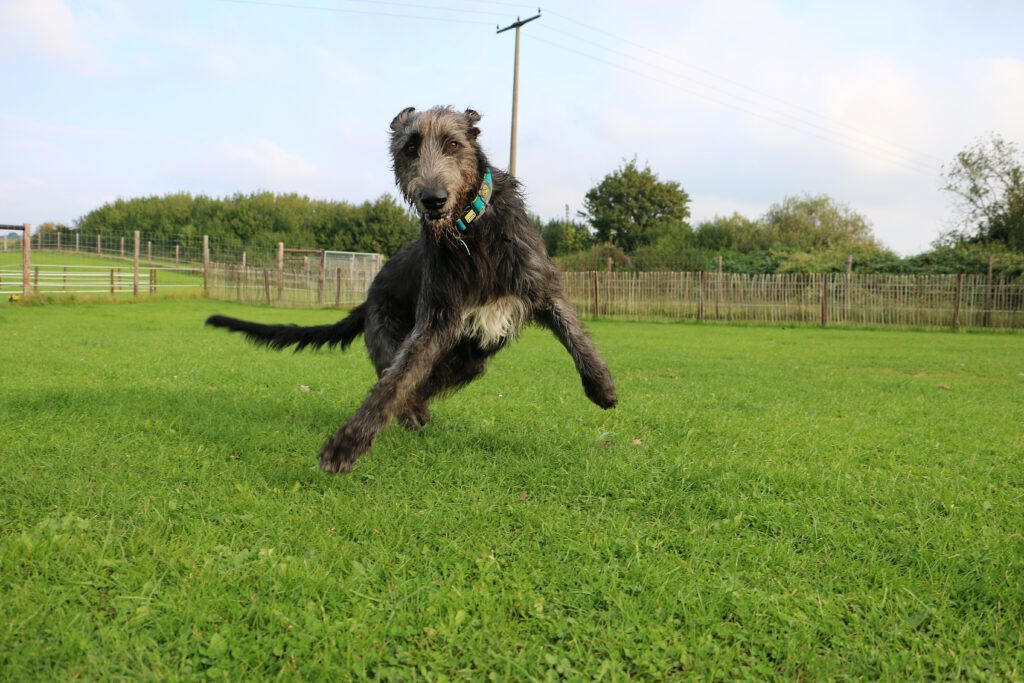
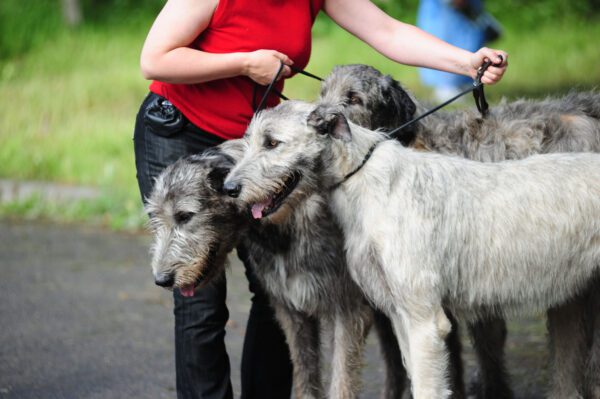
The Irish Wolfhound is a gentle giant with a calm spirit, steady loyalty, and a sensitive nature. This sighthound is affectionate with family, polite with strangers, and surprisingly laid back indoors once its exercise needs are met. Thoughtful research matters before adoption because a giant breed brings unique care requirements, higher costs, and a different daily routine than smaller dogs.
Adoption gives a deserving dog a second chance and often includes essential veterinary care that a buyer would pay for separately. Texans considering an Irish Wolfhound should plan for hot summers, large spaces, and safe exercise. The climate in Texas can be challenging for a heavy, tall dog that overheats easily, so walks should happen in the morning and evening with plenty of shade and water. Rural properties and suburban homes with large, secure yards suit this breed well, while urban living can work when owners commit to structured exercise and elevator or ground-floor access.
Irish Wolfhounds enjoy open, fenced areas for stretching their legs, yet they stay happiest as close companions inside the home. They do best with soft bedding, steady routines, and calm handling. Texas offers mild winters that favor outdoor time and strong sun exposure that requires careful heat management and rest breaks. Owners should be ready for short bursts of speed, a strong prey drive, and a gentle, sensitive temperament that responds best to kindness.
You can avoid searching shelters and rescues one by one by browsing adoptable dogs in one place through Dog Academy, which also provides educational guides and adoption checklists to help you prepare. You can also look at local animal shelters, regional rescues, breed-specific rescue groups, and foster-based networks that serve cities across Texas.
Start by browsing listings and reading each biography closely. Submit a thorough application that explains your lifestyle, home setup, and experience with large breeds. Most groups verify housing rules, contact references, and request a conversation about expectations. Approval timelines vary by organization and dog, and most adoptions in Texas move from application to decision in 1 to 4 weeks when communication is prompt and the match is strong.
Meet-and-greets typically happen at a shelter, an event, or a foster home. Families and resident pets should attend, and handlers often guide introductions to keep interactions calm. Many groups complete virtual or in-person home checks to confirm secure fencing, safe yard gates, non-slip floors, and a comfortable indoor space for a giant dog. Some rescues offer a trial period or foster-to-adopt so both you and the dog can adjust with support.
Transport is sometimes arranged by rescues to move dogs between locations, and this can include volunteer relay drivers or professional carriers that coordinate safe travel and provide appropriate rest stops. Transport may add a modest fee and often requires a health certificate and a sturdy travel crate sized for a giant breed. After approval, you will sign an adoption contract that covers care standards, microchip registration, and return policies. Plan ahead with a tall crate, raised bowls if recommended by your veterinarian, a wide martingale collar, and a supportive bed that protects joints.
|
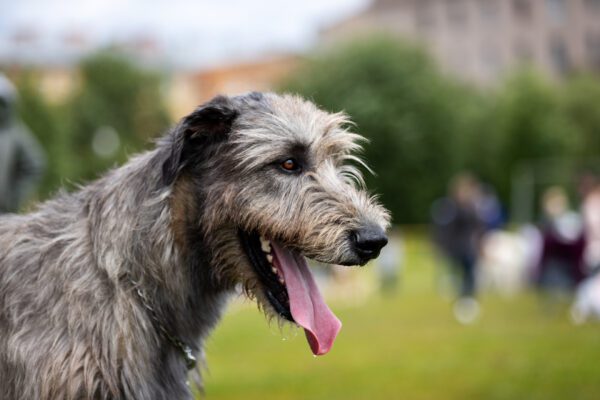
How Much Does It Cost to Adopt a Irish Wolfhound in Texas?Most Texans can expect to pay $300 to $600 to adopt an Irish Wolfhound through rescue. Fees vary with age, training, medical care, and local demand. Puppies and dogs that receive extensive veterinary work may cost more because the organization recovers expenses related to spaying or neutering, vaccinations, microchipping, and veterinary exams. Adult dogs with basic training often sit near the middle of the range, while seniors sometimes cost less because groups work to place older dogs quickly with the right families. |
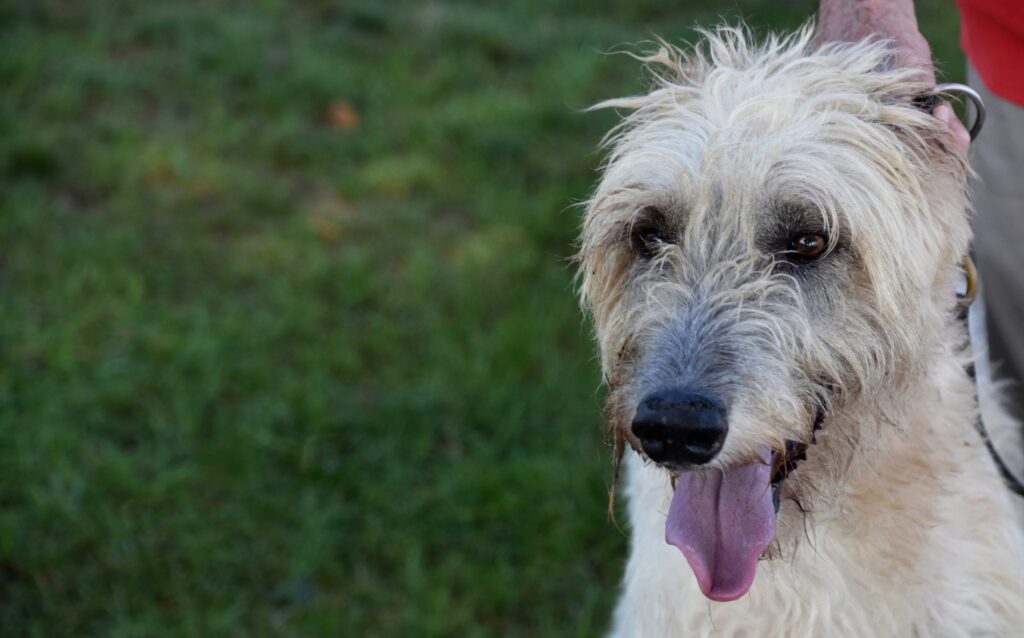
How Should I Train a Irish Wolfhound?Irish Wolfhounds are intelligent, sensitive, and eager to please, and they learn best with calm, positive reinforcement. Short, upbeat sessions help this large dog stay engaged without pressure. Harsh corrections can shut down a sensitive sighthound, so reward-based methods, clear cues, and consistent routines build confidence and trust. Focus early on loose-leash walking, impulse control at doors, polite greetings, and reliable mat training for rest. A long line in secure areas supports recall practice since many sighthounds find small animals exciting to chase. Socialize carefully with calm dogs and confident people, and supervise introductions with cats and small dogs. Crate training can help with rest and travel when the crate is tall, comfortable, and placed in a quiet area. If you want structured support, explore Dog Academy’s online training courses, which provide step-by-step lessons for recall, leash skills, and confidence building tailored to dogs of all sizes. |
|
The ideal owner is patient, gentle, and ready to guide a giant companion with kind leadership. Time for daily walks during cooler hours, a secure fenced yard, and space for a very large bed will keep an Irish Wolfhound content. Budgeting for big-dog food, routine veterinary care, and emergency needs is essential because size increases costs for medications, equipment, and procedures.
Preparation sets you up for success, so gather supplies, study training basics, and learn about giant-breed health needs before you bring your dog home. Take your time, ask thoughtful questions, and choose the match that fits your home and routine. When you are ready to adopt a Irish Wolfhound in Texas, use Dog Academy to explore current listings, learn best practices, and start your journey with confidence.

Introducing a new puppy to your current dog is often an exciting process, and many dogs will become fast friends and eas...
Read More
Rescue dogs can make great companions and can transform your home into something better. These dogs make great pets and ...
Read More
You should never rush to pet a dog. Even dog owners make the mistake of approaching unfamiliar dogs and petting them rig...
Read More
Puppy mill dogs are survivors who have endured extreme hardships in their lives. They have grown up in horrendous, unsan...
Read More
With their wagging tails and comforting presence, adopting a dog can add a unique touch to your life. It’s a heart...
Read More
Older dogs may have a few gray hairs around the edges, but that doesn’t mean they can’t make wonderful companions! T...
Read More