



























































































































































































Introducing a new puppy to your current dog is often an exciting process, and many dogs will become fast friends and eas...
Read MoreAdopt Me

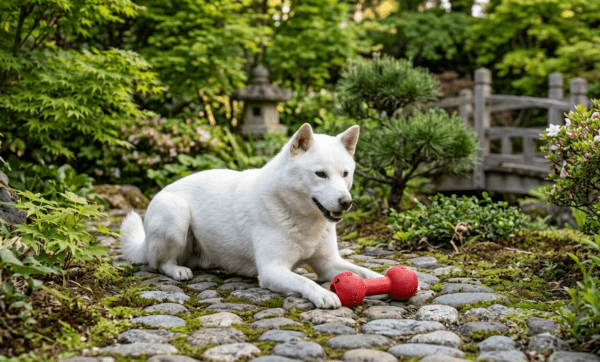
The Hokkaido is a bold, loyal, and highly intelligent spitz breed that bonds deeply with its family. This dog stays alert without being reactive, shows calm confidence, and enjoys problem solving during training and play. Careful research helps you decide if this devoted working dog fits your home, schedule, and activity level.
Adoption gives a deserving dog a second chance and often provides a clearer picture of temperament and needs. It also reduces demand for commercial breeding. Connecticut can suit a Hokkaido well because the state’s cold winters and plentiful trails complement the breed’s thick double coat and love of outdoor activity. Summers can feel humid, so you must plan shade, water, and rest during the warmest hours. Many communities in Connecticut offer walkable neighborhoods, access to forests and shoreline paths, and dog-friendly lifestyles, which can help a Hokkaido thrive when paired with structured exercise and socialization.
You can skip searching rescues and shelters one by one by using Dog Academy to browse current adoption listings in one place. You can also use Dog Academy’s educational guides and adoption checklists to prepare your application, set realistic expectations, and organize vet or landlord documents before you apply.
Start by checking local animal shelters, regional rescues, and breed-specific rescue groups. The Hokkaido is rare in the United States, so availability in Connecticut can be limited and timing can be unpredictable. Set alerts, check listings often, and be open to adult dogs as well as younger dogs. Ask for full behavior notes, medical history, daily routine, and any known triggers so you can plan training and management from day one.
The process typically begins with browsing listings, then submitting an application that asks about your schedule, fencing, experience, and current pets. Many organizations verify references, request proof of landlord approval for renters, and contact your veterinarian to confirm that current pets receive routine care. After an initial review, you schedule a meet-and-greet to assess temperament, handling comfort, and compatibility with family members and resident animals. A home check often follows, which can be virtual or in person, to confirm safe containment, secure storage for cleaners and medications, and an area for crate rest and decompression. Approval and adoption can move quickly when documents are ready, and timelines often range from 3 to 14 days based on staff schedules and your responsiveness.
If the right Hokkaido is located outside Connecticut, ask about transport options. Transport is often arranged by rescues to move dogs between states, using volunteer drivers or licensed carriers, and it usually requires a health certificate and a modest transport fee. Clear communication about pickup points, arrival windows, and identification helps ensure a smooth and low-stress transfer.

|
How Much Does It Cost to Adopt a Hokkaido in Connecticut?Expect most Connecticut adoption fees for a Hokkaido to land between $350 and $700, with puppies more commonly ranging from $500 to $800. Fees trend higher than average because the breed is rare, veterinary costs in Connecticut are relatively high, and some dogs arrive from out of state with added transport expenses. Age, prior training, medical care provided, and current demand all affect price. Adoption fees usually include spaying or neutering, vaccinations, microchipping, and veterinary exams. Many organizations also provide heartworm testing, parasite treatment, and a behavior assessment, which can add value and reduce initial out-of-pocket costs after adoption. |
How Should I Train a Hokkaido?The Hokkaido learns quickly and solves problems with confidence, yet the breed can show independent thinking and a strong prey drive. Clear structure, daily mental enrichment, and consistent routines help the dog relax and succeed. Use positive reinforcement with high-value food, toys, and praise, and keep sessions short, upbeat, and frequent. Early socialization that focuses on calm exposure to people, dogs, sounds, and surfaces builds resilience without overwhelming the dog. Focus on foundation skills that matter in Connecticut’s neighborhoods and trails. Prioritize loose-leash walking, recall, leave-it, settle on a mat, and polite greetings. Add impulse control games and scent work to channel natural hunting instincts into appropriate outlets. Crate training supports safe travel and recovery days after big adventures, and it also protects the home during unsupervised time. For step-by-step guidance tailored to different learning styles, explore Dog Academy’s online training courses, which cover puppy basics, adolescent manners, reactivity, and advanced obedience using clear, reward-based methods. |

|
The ideal Hokkaido adopter enjoys daily outdoor activity, provides firm but kind leadership, and commits to training and socialization. A fenced yard helps, yet thoughtful leash walks and structured play can also meet needs in apartments or condos when paired with strong management and enrichment.
Prepare your home, budget time for acclimation, and give the process the patience it deserves. When you research carefully, gather documents early, and choose a dog that matches your lifestyle, you set the stage for a confident transition and a lifelong bond with a remarkable Hokkaido in Connecticut.

Introducing a new puppy to your current dog is often an exciting process, and many dogs will become fast friends and eas...
Read More
Rescue dogs can make great companions and can transform your home into something better. These dogs make great pets and ...
Read More
You should never rush to pet a dog. Even dog owners make the mistake of approaching unfamiliar dogs and petting them rig...
Read More
Puppy mill dogs are survivors who have endured extreme hardships in their lives. They have grown up in horrendous, unsan...
Read More
With their wagging tails and comforting presence, adopting a dog can add a unique touch to your life. It’s a heart...
Read More
Older dogs may have a few gray hairs around the edges, but that doesn’t mean they can’t make wonderful companions! T...
Read More