


























































































































































































Introducing a new puppy to your current dog is often an exciting process, and many dogs will become fast friends and eas...
Read MoreAdopt Me

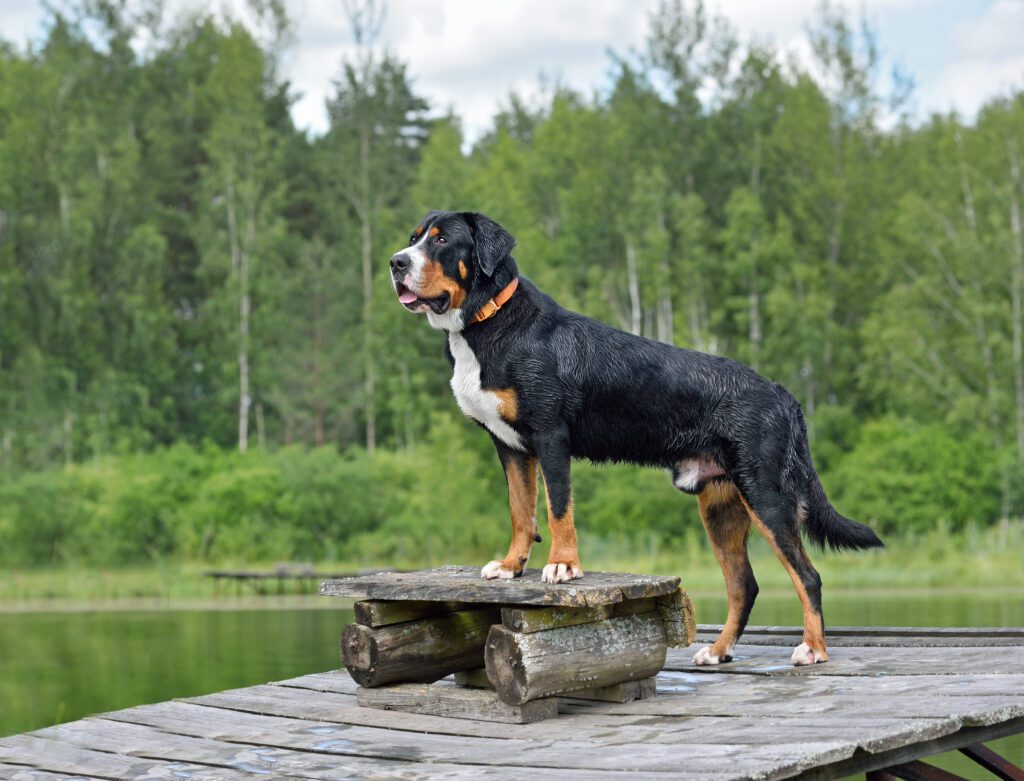


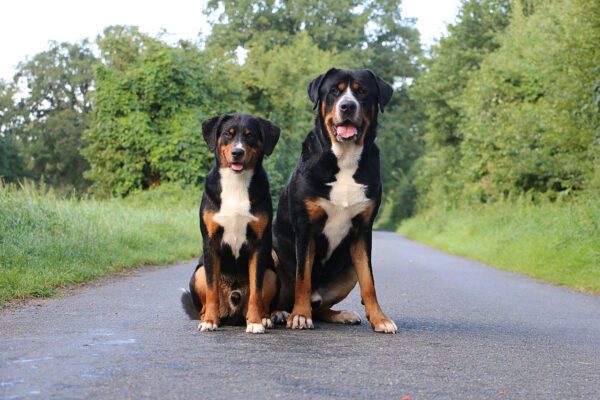
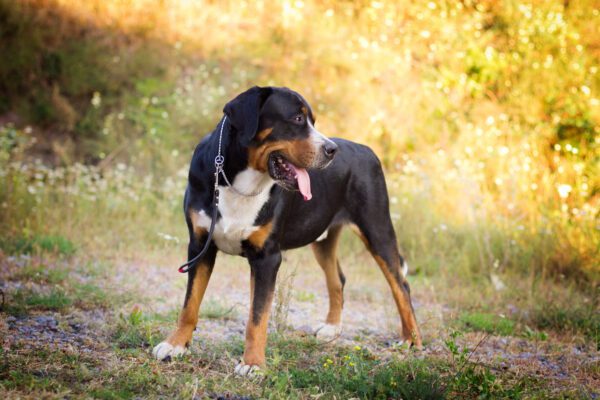
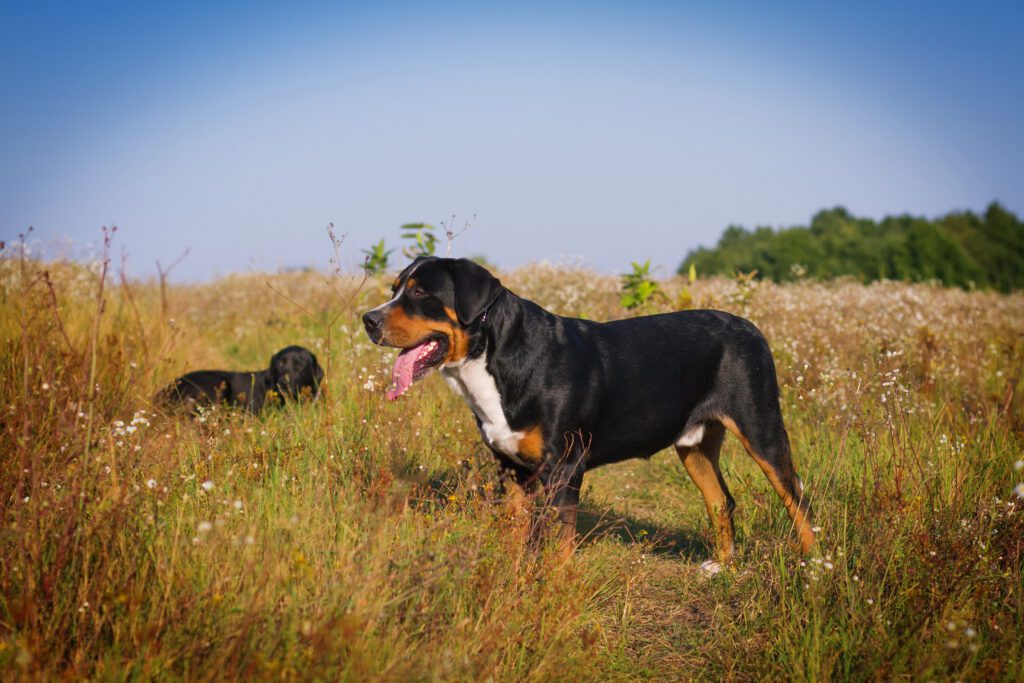
The Greater Swiss Mountain Dog is a confident, steady, and affectionate working dog that thrives with close family involvement. This breed is loyal and gentle with children when guided with structure and clear rules. Many people love the Swissy’s striking tricolor coat, carting heritage, and calm nature at home, paired with moderate daily exercise needs.
Research matters before you adopt a Greater Swiss Mountain Dog in Texas. The breed is large, powerful, and slow to mature, which means consistent training and socialization are essential. Adoption gives a deserving dog a new start and supports the lifesaving work of shelters and rescues. It also helps you match with a dog whose temperament and health have already been evaluated.
Texas offers wide open spaces, active communities, and many dog-friendly lifestyles, but the heat is a serious consideration for a double-coated breed. Summers across much of the state are long and hot, with high humidity in the Gulf region and intense sun in central and west Texas. A Swissy in Texas needs indoor living with air conditioning, shaded outdoor time, fresh water at all times, and exercise in the early morning or evening. Urban settings can work well with daily walks and structured training, while rural homes should provide secure fencing and supervised yard time.
You can skip searching shelters and rescues one by one by browsing adoptable Greater Swiss Mountain Dogs through Dog Academy. Dog Academy organizes listings in one place, which saves time and helps you compare options quickly. You can also use Dog Academy’s educational guides and adoption checklists to prepare your home, plan your budget, and set training goals.
Adoptable Swissies in Texas may be found through local animal shelters, regional rescues, breed-specific rescue groups, and foster-based networks. Availability changes often, so it helps to check listings frequently and act quickly when you see a good match. Many groups post detailed profiles that describe temperament, energy level, medical history, and the type of home that will set the dog up for success.
The process usually starts by browsing listings and submitting an application. Applications typically ask about your schedule, home setup, experience with large breeds, and training plans. You may be asked for landlord approval, proof of fencing, or veterinary references. Next comes a meet-and-greet with the dog, which often takes place in a neutral area or in a foster home. Many groups complete a home check, which can be in person or virtual, to confirm safety and readiness. Timelines vary, but approvals in Texas commonly take 1 to 3 weeks. Some municipal shelters move faster and may finalize an adoption the same day once all requirements are met.
When distance is a barrier, rescues may arrange transport between locations. Transport is often arranged by rescues to move dogs between cities or from neighboring states into Texas after an adopter is approved. Transport may be handled by volunteer drivers or professional carriers, and there is sometimes a separate transport fee.
Before you commit, make sure the dog’s needs fit your lifestyle. A Greater Swiss Mountain Dog requires room to move, consistent training, careful heat management, and a budget that covers food, preventive care, and potential orthopedic issues. Ask for full medical records and behavior notes so you understand history, progress, and any follow-up care that may be needed.
|
How Much Does It Cost to Adopt a Greater Swiss Mountain Dog in Texas?Most adopters in Texas can expect to pay $300 to $600 to adopt a Greater Swiss Mountain Dog. Puppies and young adults usually sit at the higher end due to higher demand and additional veterinary care, while seniors or dogs with special needs may be lower. Fees can vary based on age, training, medical care, and demand within a specific region of Texas. Adoption fees typically include spaying or neutering, vaccinations, microchipping, and veterinary exams. Many groups also complete heartworm testing, deworming, and basic preventives. Dogs with advanced training, recent orthopedic care, or dental work may have slightly higher fees because those services increase the organization’s costs. |
How Should I Train a Greater Swiss Mountain Dog?The Greater Swiss Mountain Dog is intelligent and eager to work with its family, but it can be thoughtful and somewhat stubborn. Short, upbeat sessions with food rewards and praise help this breed stay engaged. Focus first on foundation skills such as loose-leash walking, coming when called, settling on a mat, and polite greetings. Early socialization builds confidence and reduces pushiness, which is important for a large and powerful dog. Use positive reinforcement and clear boundaries, and avoid harsh corrections that can damage trust. Teach impulse control through sit-and-wait routines and calm door manners. Practice handling for paws, ears, and mouth so veterinary visits and grooming feel routine. Train during cooler hours and give plenty of rest after activity to protect joints and prevent heat stress. If you want step-by-step guidance, explore Dog Academy’s online training courses for large-breed manners, obedience, and confidence-building games. |
|
The ideal adopter is patient, safety minded, and ready to provide daily structure. A Swissy suits families who enjoy relaxed hikes, neighborhood walks, and quality time at home rather than all-day endurance sports. A secure yard helps, but dedicated training, heat-aware exercise, and consistent companionship matter most.
Preparation leads to a smooth transition. Set up supplies, review your budget, and learn the breed’s needs before you bring a dog home. Take your time, ask clear questions, and trust the match-making process. When you are ready to adopt a Greater Swiss Mountain Dog in Texas, start with the listings and resources at Dog Academy and move forward with confidence.

Introducing a new puppy to your current dog is often an exciting process, and many dogs will become fast friends and eas...
Read More
Rescue dogs can make great companions and can transform your home into something better. These dogs make great pets and ...
Read More
You should never rush to pet a dog. Even dog owners make the mistake of approaching unfamiliar dogs and petting them rig...
Read More
Puppy mill dogs are survivors who have endured extreme hardships in their lives. They have grown up in horrendous, unsan...
Read More
With their wagging tails and comforting presence, adopting a dog can add a unique touch to your life. It’s a heart...
Read More
Older dogs may have a few gray hairs around the edges, but that doesn’t mean they can’t make wonderful companions! T...
Read More