



























































































































































































Introducing a new puppy to your current dog is often an exciting process, and many dogs will become fast friends and eas...
Read MoreAdopt Me

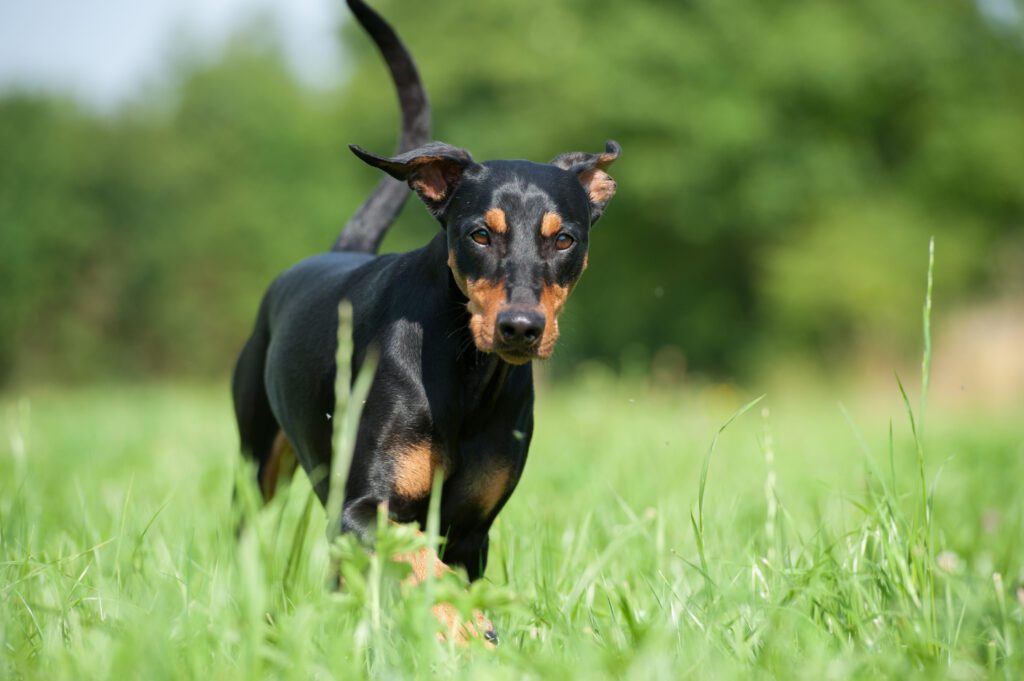


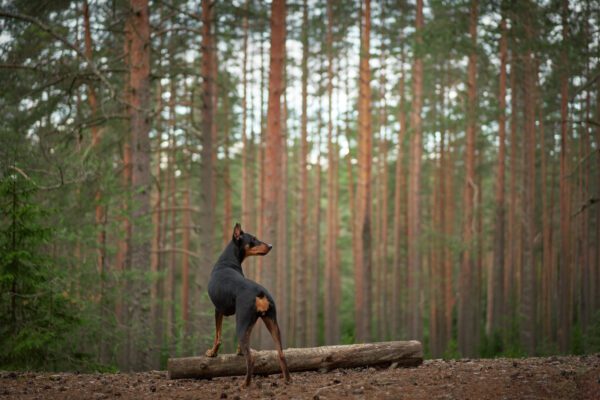
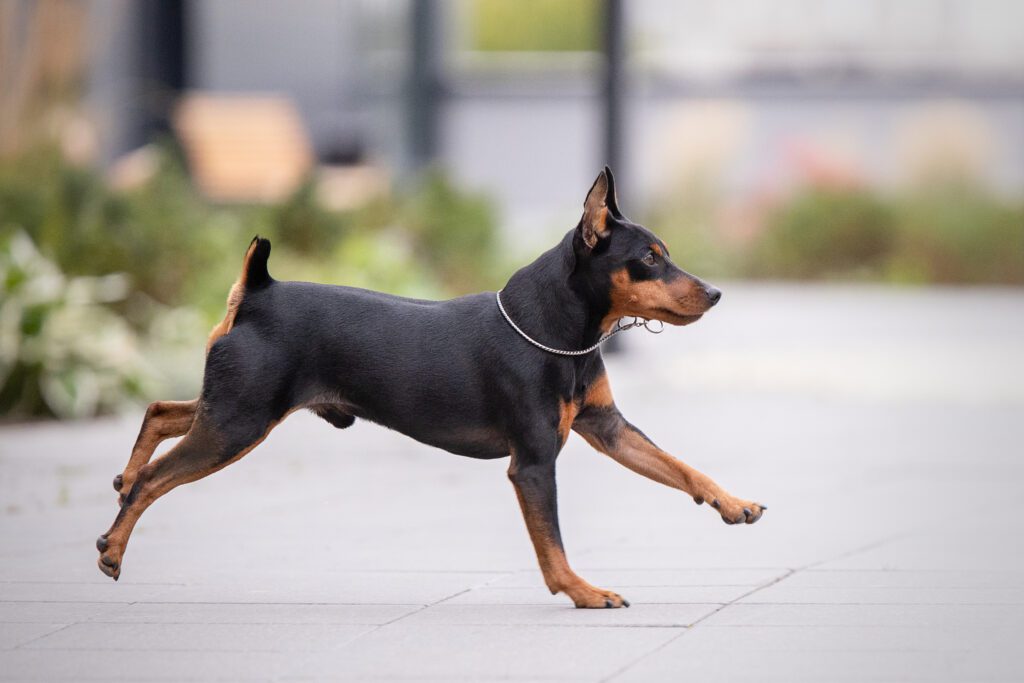
The German Pinscher is a confident, energetic, and affectionate companion that loves a job and thrives on close bonds with people. This medium-sized athlete offers keen intelligence, a watchful nature, and a playful spirit that fits well with active households. Careful research matters because the breed has strong drive, sharp problem-solving skills, and a need for structure that not every home can meet.
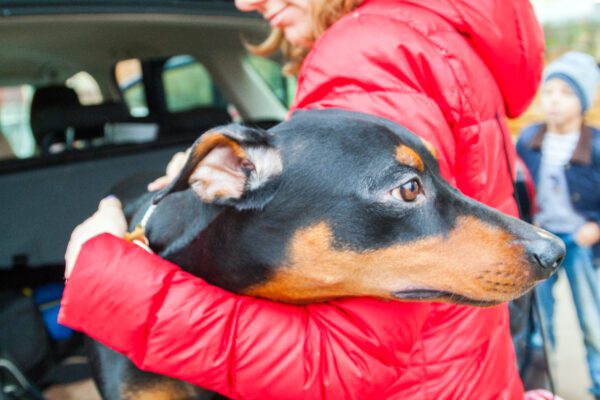
Adoption lets you give a deserving dog a second chance while supporting animal welfare in your community. Adopted German Pinschers often receive essential veterinary care and behavioral evaluations before placement, which makes the transition smoother for adopters. A trusted rescue or shelter can also help match energy levels, experience requirements, and household dynamics so that the dog’s needs and your lifestyle align.
Washington offers excellent outdoor opportunities, from forested trails and coastal paths to open spaces east of the Cascades. The breed’s short coat handles moderate temperatures but benefits from a jacket in cold or wet weather, which is common in Western Washington during winter. Urban areas in Washington provide dog-friendly amenities, yet apartment living requires daily exercise, enrichment, and consistent training. Rural and suburban homes can suit the breed well with secure fencing, because a strong prey drive can lead to chasing wildlife if supervision lapses.
You can avoid searching shelters and rescues separately by browsing listings in one place on Dog Academy. The platform shows adoptable dogs from local animal shelters, regional rescues, and breed-specific rescue groups, and it offers educational guides and adoption checklists that help you prepare for each step with confidence.
Start by reviewing available German Pinschers and close mixes that share similar traits. Read each profile carefully for age, temperament notes, exercise needs, and any training or medical updates. Submitting an application usually follows, and most applications ask about your schedule, experience with energetic breeds, housing details, and plans for exercise and training. Some organizations request personal references and landlord approval when you rent, because those checks confirm stability and readiness.
A meet-and-greet typically happens at a shelter, a foster home, or a neutral location. Bring household members and resident dogs so the team can evaluate compatibility and safety. Many groups require a home check, which can be virtual or in person, to confirm that fencing is secure, living spaces are safe, and supplies are ready. Approval timelines vary by group and by dog, and most adoptions in Washington finalize within 1 to 3 weeks when paperwork, references, and home checks move smoothly.
When the match looks right, you sign an adoption contract and pay the adoption fee. Some organizations offer a brief trial period or post-adoption support to ensure a successful transition. If the best match is outside your immediate area, rescues may arrange transport between locations to move dogs safely to approved adopters. Transport is often coordinated through partner shelters, volunteer drivers, or professional carriers, and costs can be included in the fee or charged as a modest transport surcharge.
|
How Much Does It Cost to Adopt a German Pinscher in Washington?Most Washington rescues and shelters place German Pinschers for about $300 to $550. The variability reflects age, training history, medical care, and local demand. Puppies and young adults often fall at the higher end, while mature dogs may be closer to the lower end. Fees help cover spaying or neutering, vaccinations, microchipping, and veterinary exams, as well as routine parasite prevention and any needed medications. Rare cases with extensive medical treatment or specialized training can exceed this range, and out-of-area transport can add a small additional fee. |
How Should I Train a German Pinscher?The German Pinscher is bright, athletic, and quick to learn when training stays positive and consistent. Short, upbeat sessions that use rewards build reliable behavior without dulling the breed’s natural confidence. Early socialization, calm exposure to new places, and foundation skills such as sit, down, stay, recall, and loose-leash walking set clear expectations and reduce impulsive choices. Common challenges include strong prey drive, guarding tendencies, and independent decision-making. Channel energy into structured activities like scent games, trick training, and controlled agility-style exercises. Practice impulse control with leave-it, drop, and settle on a mat, and reinforce quiet behavior at doors and windows. Avoid harsh corrections, because aversive methods can increase anxiety and create conflict with a sensitive, intelligent dog. For step-by-step guidance tailored to busy Washington lifestyles, explore Dog Academy’s online training courses, which cover manners, obedience, enrichment, and solutions for common behavior hurdles. |
|
The ideal home for a German Pinscher provides daily exercise, mental enrichment, and steady leadership. Active individuals, couples, and families who enjoy walks, hikes, and training games tend to succeed when they commit to structure and clear boundaries. A secure yard or a strong leash routine keeps the dog safe while satisfying the breed’s curiosity and drive.
Preparation makes all the difference. Gather supplies, set a training plan, and align household routines before adoption day. Take time to research, ask questions, and meet more than one dog if needed. Patience and thoughtful matching help you adopt a German Pinscher in Washington with confidence, and consistent follow-through builds the partnership you want for years to come.

Introducing a new puppy to your current dog is often an exciting process, and many dogs will become fast friends and eas...
Read More
Rescue dogs can make great companions and can transform your home into something better. These dogs make great pets and ...
Read More
You should never rush to pet a dog. Even dog owners make the mistake of approaching unfamiliar dogs and petting them rig...
Read More
Puppy mill dogs are survivors who have endured extreme hardships in their lives. They have grown up in horrendous, unsan...
Read More
With their wagging tails and comforting presence, adopting a dog can add a unique touch to your life. It’s a heart...
Read More
Older dogs may have a few gray hairs around the edges, but that doesn’t mean they can’t make wonderful companions! T...
Read More