






















































































Introducing a new puppy to your current dog is often an exciting process, and many dogs will become fast friends and eas...
Read MoreAdopt Me
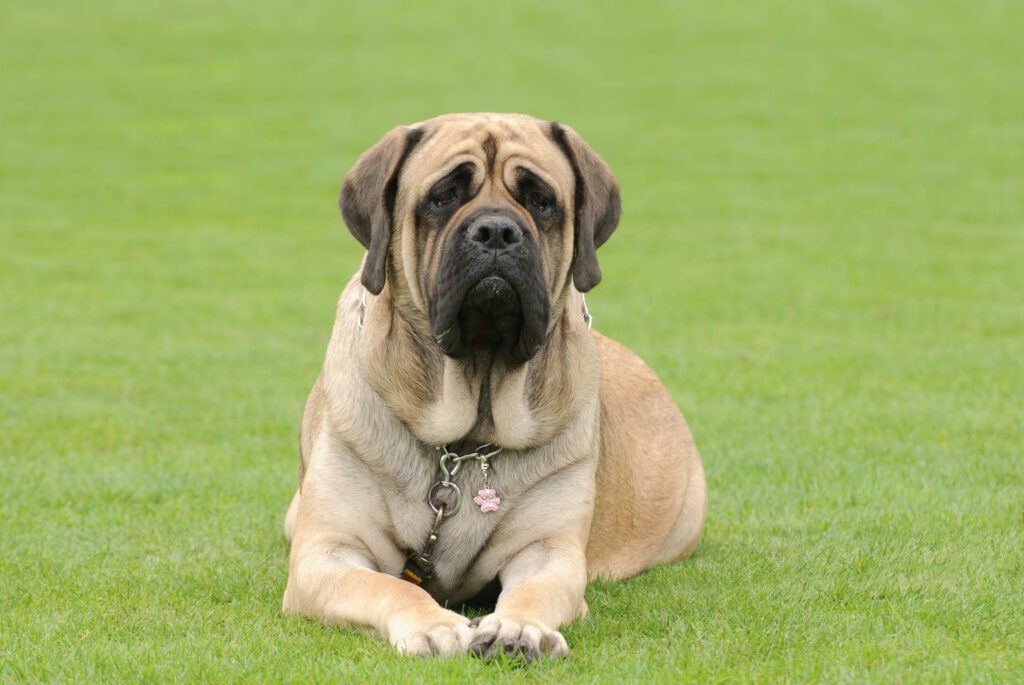
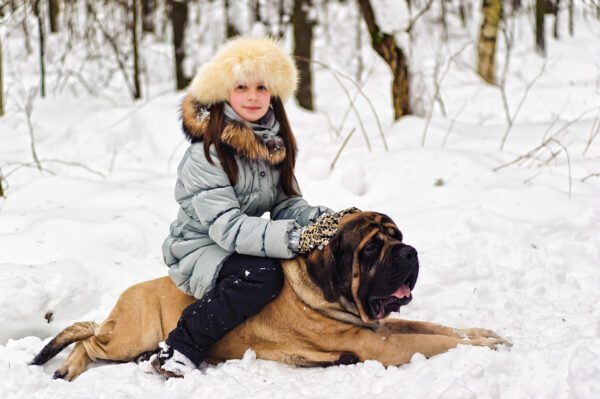
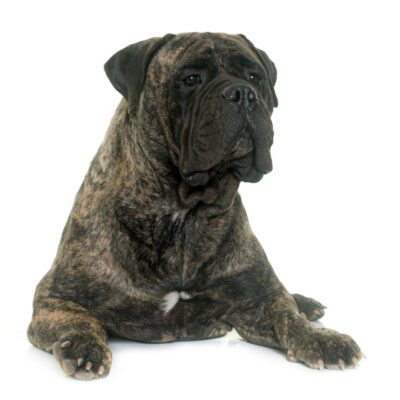
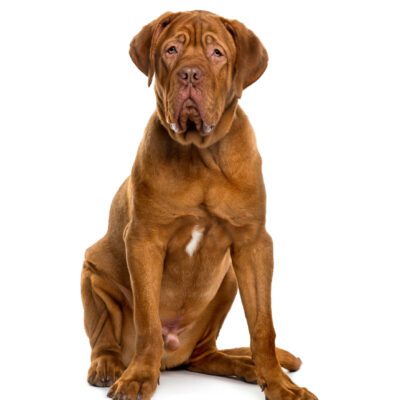
The English Mastiff is a calm, loyal, and deeply affectionate guardian that bonds closely with family. This giant breed thrives on gentle guidance, steady routines, and quiet companionship. A well-bred and well-socialized Mastiff is patient with children, tolerant with visitors, and happy to spend most of the day resting near loved ones.
Research is essential before you bring home an English Mastiff. The breed’s massive size affects housing, transportation, training, feeding, and veterinary costs. Nevada’s hot and dry climate also matters. Mastiffs do best with air conditioning, shaded outdoor areas, and short walks during cool morning and evening hours. Pavement can heat quickly in desert sun, so paw protection and frequent water breaks are important. Urban living in Nevada can work if elevators, wide stairwells, and ground-level access are available, and rural living can work if secure fencing and indoor climate control are in place.
Adoption is often the best path. You give a dog a second chance, you support responsible animal welfare, and you often receive a dog that already has basic veterinary care. Adult Mastiffs are usually easier to house train and evaluate for temperament, which helps you match with the right companion from the start.
You can skip searching rescues and shelters one by one by browsing the listings on Dog Academy. You can filter for size, age, and location to quickly find Mastiffs that match your needs. You can also use Dog Academy’s educational guides and adoption checklists to prepare your home, plan your schedule, and set a realistic budget.
Start by checking local animal shelters, regional rescues, and breed-specific rescue groups. Read each dog’s profile carefully and look for clear notes about size, health, temperament, and household compatibility. Ask questions about the dog’s history, energy level, and experience with children or other pets. Confirm landlord approval and local rules on large breeds before you apply.
Most groups use a simple process. You browse listings, submit an application, and schedule a meet-and-greet if your application fits the dog’s needs. Applications usually ask for proof of housing, a government ID, and a veterinary reference if you have or had pets. Approval timelines often range from 3 to 14 days, depending on how quickly references respond and how many applications the dog receives.
Meet-and-greets may occur at a shelter, a foster home, or a neutral public space. Bring all household members and any resident dogs to check compatibility. Many groups complete a home check to confirm safe containment, adequate space, and reliable climate control. Some offer trial adoption or foster-to-adopt to ensure a smooth transition. If the right dog is located outside your city, rescues sometimes arrange transport between locations using volunteer drivers or professional carriers, and they typically provide health certificates and scheduling details so the trip stays safe and predictable.

|
How Much Does It Cost to Adopt a English Mastiff in Nevada?Most adopters in Nevada can expect to pay $250 to $500 for an English Mastiff. Fees tend to sit at the higher end for puppies and for dogs that receive specialized medical care. Costs reflect size-related expenses, pre-adoption veterinary work, and regional demand for giant breeds. The adoption fee often covers spaying or neutering, vaccinations, microchipping, and veterinary exams. Pricing also varies with age, training history, medical care, and demand. A well-mannered adult with up-to-date care usually costs less than a puppy that needs booster vaccines and additional training. A dog that required orthopedic evaluation or dental work can cost more because those services increase the total investment by the shelter or rescue. |
How Should I Train a English Mastiff?English Mastiffs are intelligent and eager to please, yet they can be independent and slow to respond if training feels unclear. Positive reinforcement works best. Keep sessions short, use high-value rewards, and teach one simple behavior at a time. Consistency helps a Mastiff understand expectations, and calm praise builds confidence without creating stress. Focus early on socialization, polite greetings, loose-leash walking, impulse control, and reliable recall. Teach cues that make daily life safe and easy, such as sit, down, wait, leave it, and place. Practice cooperative care so your Mastiff accepts nail trims, ear cleaning, and veterinary handling. Because of the breed’s strength, leash manners and a solid response to cues are essential for comfortable walks in busy Nevada neighborhoods and open desert spaces. If you want step-by-step guidance, explore Dog Academy’s online training courses. You can follow structured lessons for leash skills, relaxation, impulse control, and socialization, and you can train at home at your own pace. Clear video instruction and practical homework help you build reliable behavior that lasts. |
|
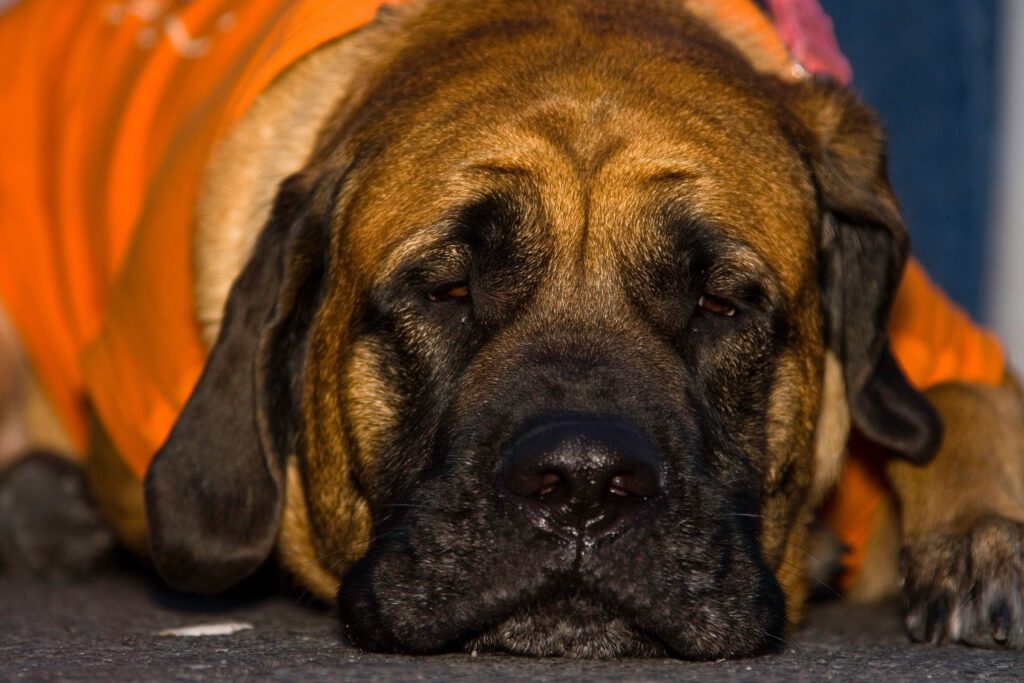
The ideal owner for an English Mastiff is patient, consistent, and comfortable managing a giant dog. A good match provides climate-controlled indoor space, safe outdoor access, daily short walks, and a budget that covers high-quality food and routine veterinary care. Time for ongoing training and enrichment keeps a Mastiff relaxed and well mannered.
Prepare your home, set a routine, and take the time to meet several dogs. Ask clear questions, verify compatibility, and choose the Mastiff that fits your lifestyle. When you are ready, use Dog Academy’s adoption listings and educational resources to adopt with confidence and welcome a gentle giant into your Nevada home.
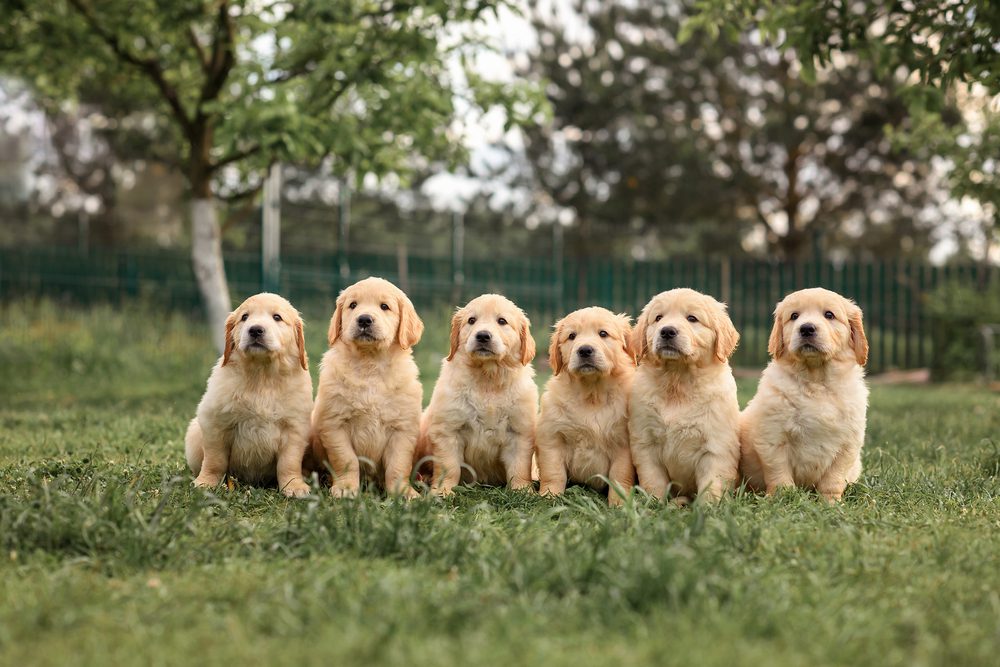
Introducing a new puppy to your current dog is often an exciting process, and many dogs will become fast friends and eas...
Read More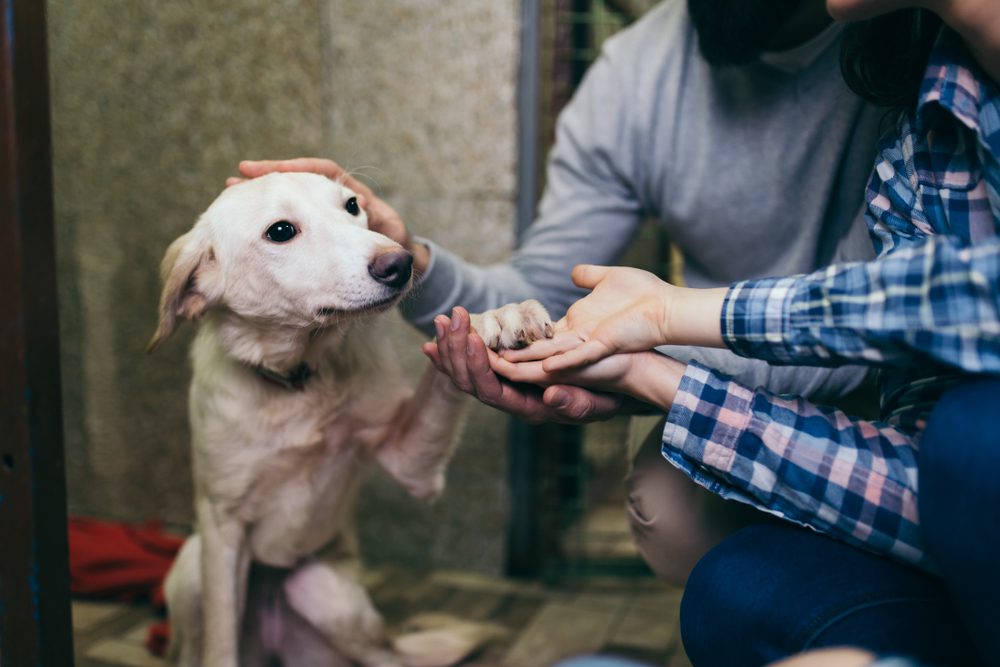
Rescue dogs can make great companions and can transform your home into something better. These dogs make great pets and ...
Read More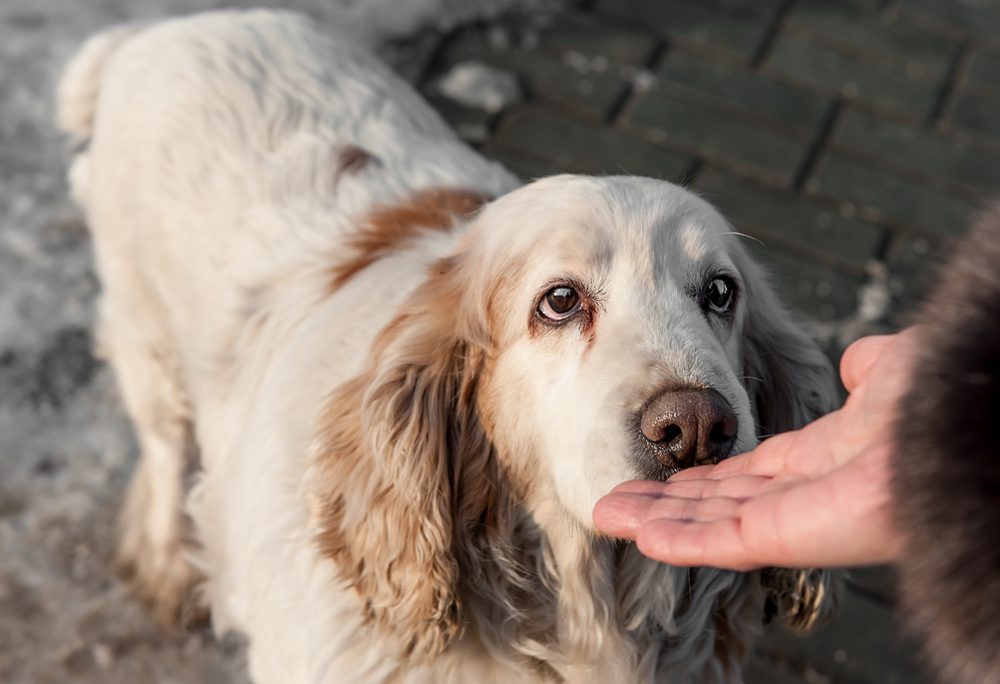
You should never rush to pet a dog. Even dog owners make the mistake of approaching unfamiliar dogs and petting them rig...
Read More
Puppy mill dogs are survivors who have endured extreme hardships in their lives. They have grown up in horrendous, unsan...
Read More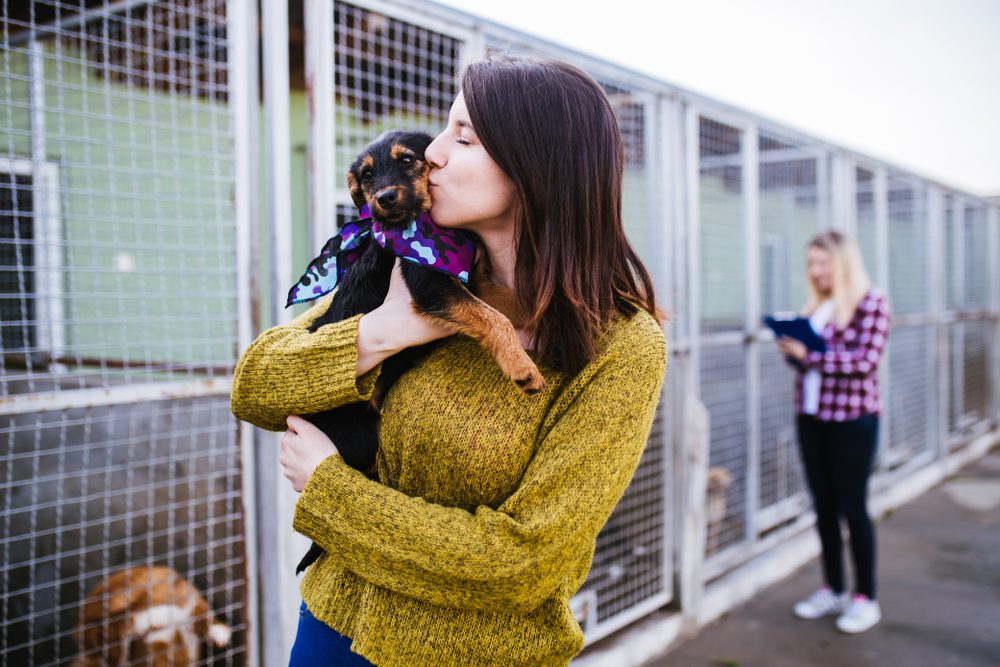
With their wagging tails and comforting presence, adopting a dog can add a unique touch to your life. It’s a heart...
Read More
Older dogs may have a few gray hairs around the edges, but that doesn’t mean they can’t make wonderful companions! T...
Read More