



























































































































































































Introducing a new puppy to your current dog is often an exciting process, and many dogs will become fast friends and eas...
Read MoreAdopt Me
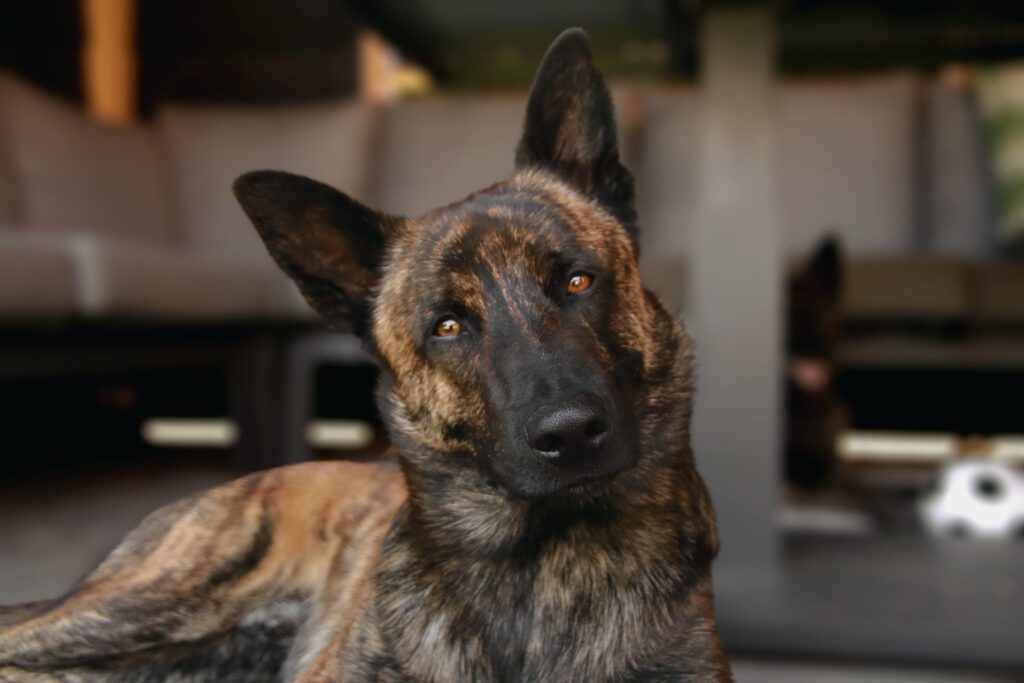


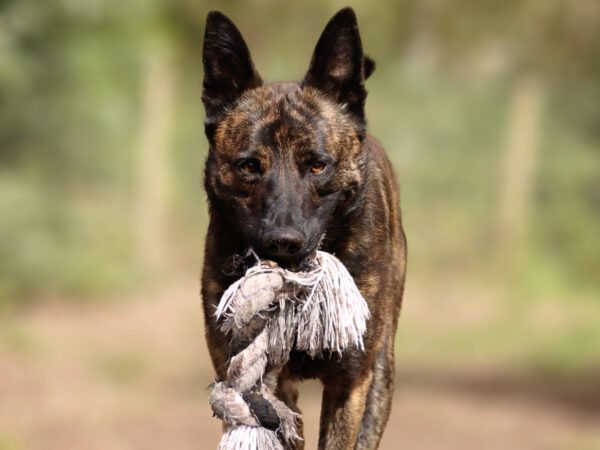
The Dutch Shepherd is an agile, intelligent, and loyal working dog that forms strong bonds with a patient and active owner. A Dutch Shepherd thrives on daily challenges that engage both body and mind. The breed excels in hiking, running, agility, scent work, and obedience, and it delivers steady companionship at home when its needs are met.
Thorough research protects you and the dog. Understanding energy level, exercise needs, grooming routines, and training goals helps you choose a good fit. Adoption helps a dog in need, supports ethical placement, and often includes valuable post-adoption guidance. Many adopters also prefer the transparency that comes from foster notes and behavior evaluations.
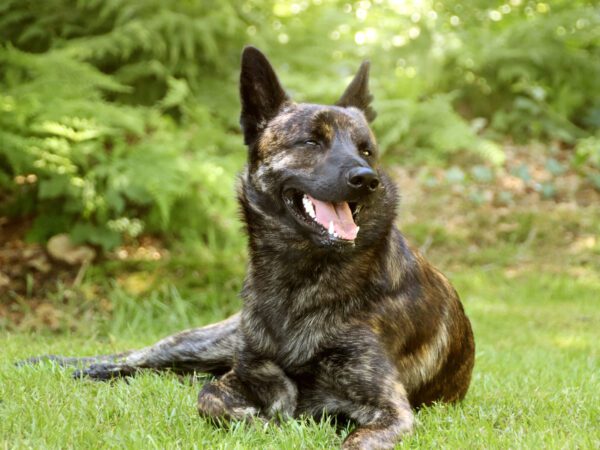
Connecticut offers four true seasons, with cold winters and humid summers. A Dutch Shepherd’s weather-resistant coat handles cold and light snow well, but the dog still needs protection from wind chill and ice. Summer humidity requires careful heat management, shaded walks, and steady hydration. The state’s mix of coastal towns, suburbs, and rural space can suit this breed when the owner commits to daily exercise, structured training, and mental enrichment. Apartment living can work when you provide long walks, purposeful play, and reliable quiet time.
You can avoid searching for rescues and shelters one by one by using Dog Academy. Dog Academy’s adoption listings make it easy to browse Dutch Shepherds and Dutch Shepherd mixes from local animal shelters, regional rescues, and breed-specific rescue groups. Dog Academy also provides educational guides and adoption checklists that help you prepare your home, set a routine, and ask the right questions before you apply.
Start by browsing listings and reading each dog’s bio. Look for notes about energy level, social history, training progress, and any medical updates. If a profile matches your lifestyle, submit an application that includes personal references, proof of residence, and landlord approval if you rent. Many groups ask for a veterinarian reference to confirm prior pet care. Clear and complete answers help volunteers process your application efficiently.
Next, expect a meet-and-greet that introduces the dog to you and your household. This meeting confirms that the dog is comfortable with your handling, your family members, and any resident pets. Many organizations also complete a home check. A home check confirms that your space is safe, that exits are secure, and that your setup includes essentials like a crate or a quiet rest area. Home checks may happen in person or through a video call.
Approval timelines usually range from 1 to 3 weeks, depending on references, scheduling, and the number of applicants. Some dogs remain in foster care until placement, which provides helpful notes about house manners and daily routines. When a dog is located outside your immediate area, rescues sometimes arrange transport to move dogs between locations once an adopter is approved. Transport is organized by the rescue or by partners that the rescue trusts, and adopters receive clear pickup instructions and arrival times.
|
How Much Does It Cost to Adopt a Dutch Shepherd in Connecticut?Most Connecticut groups list adult Dutch Shepherds between $350 and $550. Puppies are often listed between $450 and $650 due to higher demand and recent medical care. Fees reflect services that typically include spaying or neutering, vaccinations, microchipping, and veterinary exams. Costs can shift based on age, training level, medical needs, and regional demand for working breeds. A well-trained adult with completed medical care may sit at the middle of the range, while a puppy with new vaccines and high interest may be listed near the top of the range. A senior dog or a dog with special needs may be listed slightly lower to encourage the right adopter. Always confirm exactly what the fee covers so you can plan for supplies, food, and future veterinary care. |
How Should I Train a Dutch Shepherd?The Dutch Shepherd is highly intelligent and learns quickly when training stays consistent, upbeat, and clear. Positive reinforcement builds trust and produces reliable cues. Short, focused sessions work best, and daily mental games keep a quick thinker satisfied. Reward calm behavior, mark good choices, and end each session while your dog still wants more. Common challenges include overarousal, herding drive, and mouthy play. A strong impulse to chase can appear during fast games or outdoor activity. Teach impulse control through pattern games, place training, and structured tug with rules. Reinforce loose-leash walking early and build a rock-solid recall. Socialization with friendly, stable dogs helps a Dutch Shepherd read canine signals and relax in new spaces. If you want step-by-step guidance, explore Dog Academy’s online training courses. Courses cover foundations, leash skills, recall, crate training, and enrichment plans that channel working drive into healthy routines. Consistency, patience, and fair expectations help a Dutch Shepherd settle into a confident and polite companion. |
|
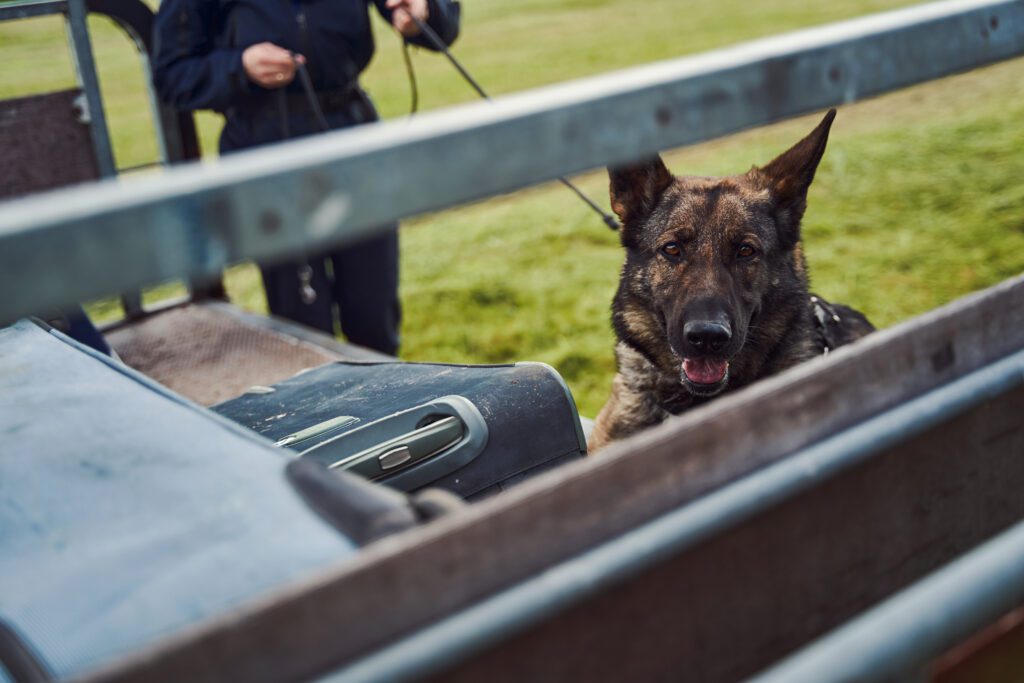
The ideal adopter enjoys daily exercise, structured training, and shared outdoor time. A Dutch Shepherd thrives with 60 to 90 minutes of physical activity each day, plus targeted mental enrichment. A secure plan for alone time, neighborhood walks, and weather-appropriate outings keeps this energetic dog balanced and calm.
Preparation leads to success. Set your home, gather supplies, and learn the breed’s needs before you apply. Take time to compare dogs, ask detailed questions, and move at a thoughtful pace. With the right match and a clear routine, you can adopt a Dutch Shepherd in Connecticut and welcome a devoted partner into your life.

Introducing a new puppy to your current dog is often an exciting process, and many dogs will become fast friends and eas...
Read More
Rescue dogs can make great companions and can transform your home into something better. These dogs make great pets and ...
Read More
You should never rush to pet a dog. Even dog owners make the mistake of approaching unfamiliar dogs and petting them rig...
Read More
Puppy mill dogs are survivors who have endured extreme hardships in their lives. They have grown up in horrendous, unsan...
Read More
With their wagging tails and comforting presence, adopting a dog can add a unique touch to your life. It’s a heart...
Read More
Older dogs may have a few gray hairs around the edges, but that doesn’t mean they can’t make wonderful companions! T...
Read More