


























































































































































































Introducing a new puppy to your current dog is often an exciting process, and many dogs will become fast friends and eas...
Read MoreAdopt Me

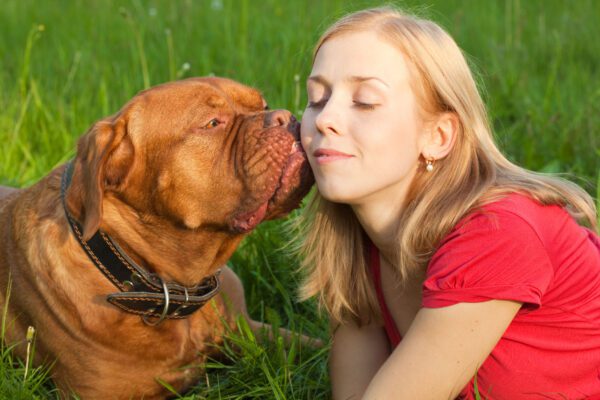
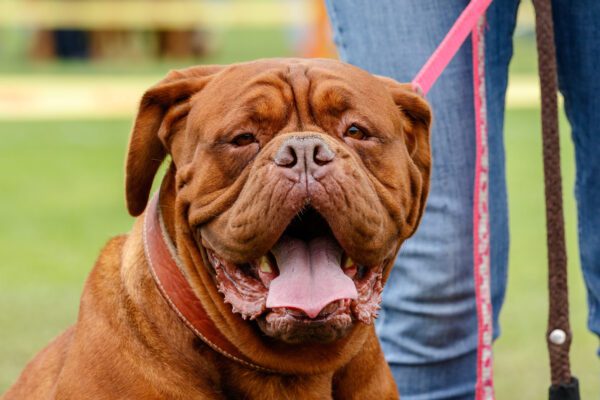
The Dogue De Bordeaux is a powerful and affectionate guardian that bonds deeply with its family. This giant breed offers steady loyalty, quiet confidence, and a calm presence at home. Thoughtful research matters before you adopt because a large, sensitive dog needs consistent training, space, and a stable routine. Adoption is often the better path because you give a deserving dog a second chance while receiving guidance from experienced volunteers who know the breed well.
Maine can fit a Dogue De Bordeaux when you plan for climate and lifestyle. The short coat does not insulate well in winter, so the dog needs a warm home, limited cold exposure, and a coat during frigid walks. Summers in Maine are often mild, which suits a heat sensitive breed that should avoid strenuous exercise in hot weather. Rural properties and quiet neighborhoods provide room for relaxed strolls and safe play, and coastal areas offer fresh air but also damp conditions that call for dry bedding and joint care.
This breed thrives when daily life stays consistent. Families that enjoy slow hikes, evenings at home, and structured routines usually succeed. Busy households can still adopt if they schedule training, provide sturdy containment, and budget for giant breed food and veterinary care.
You can skip searching shelters and rescues one by one by browsing listings through Dog Academy. You can review available Dogue De Bordeaux dogs, compare profiles, and save time with centralized information. Dog Academy also offers clear educational guides and checklists that help you prepare your home, plan your budget, and organize vet care before adoption day.
Adoptable Dogue De Bordeaux dogs in Maine usually appear through local animal shelters, regional rescues, and breed specific rescue groups. Start by browsing listings, reading each profile in full, and confirming key details such as age, health notes, temperament, and any training history. Make sure you understand this breed’s needs, including calm leadership, clear boundaries, and short, low impact exercise that protects the joints.
When you find a match, you submit an application that includes references, proof of housing stability, and landlord approval if you rent. After screening, you schedule a meet and greet to confirm compatibility with all family members and resident pets. Many groups complete a home check that can be virtual or in person to ensure safe fencing, secure storage for supplies, and an indoor space where the dog can rest without stress. Approval timelines vary, but most adopters hear back within 1 to 3 weeks once all steps are complete.
If your match is located outside your immediate area, ask about transport. Transport is often arranged by rescues to move dogs between locations when a strong adopter match exists. These trips typically use volunteer drivers or licensed services and follow veterinary requirements that include a recent health certificate.
|
How Much Does It Cost to Adopt a Dogue De Bordeaux in Maine?Most adopters in Maine pay between $300 and $650 to adopt a Dogue De Bordeaux. Fees trend toward the higher end for puppies and toward the middle for adults. Costs reflect the breed’s size and the care required before placement. The fee usually covers spaying or neutering, vaccinations, microchipping, and veterinary exams. Many groups also include deworming and a short term supply of flea and tick prevention. Several factors shape the final fee. Age affects cost because puppies require more veterinary visits and demand is often higher. Training level influences pricing when dogs arrive with completed obedience or proof of house training. Medical care can increase fees when the dog needs dental work or treatment for skin or ear issues. Local demand in Maine can also adjust costs when a rare breed appears on limited listings. |
How Should I Train a Dogue De Bordeaux?The Dogue De Bordeaux is intelligent, sensitive, and eager to please once trust forms. Training should be quiet, reward based, and consistent. Short sessions that use food rewards and calm praise work better than long drills. Early socialization teaches the dog to stay relaxed around visitors, delivery workers, and new environments. Leash skills matter because a strong adult can pull a handler off balance, so begin loose leash walking and reliable check ins from day one. Common challenges include teenage stubbornness, slow response when distracted, and protective instincts that need channeling. Avoid harsh corrections because this breed tends to shut down under pressure. Focus on impulse control, polite greetings, and door manners. Crate training supports safe rest and smooth travel. If you want a step by step plan, explore Dog Academy’s online training courses for giant breed basics, loose leash walking, and calm confidence around guests. |

|
The ideal adopter is patient, calm, and ready to lead with kindness. A secure yard, a reliable routine, and the ability to manage a 100 plus pound dog are essential. Budgeting for high quality food, joint support, and preventive veterinary care keeps this breed healthy and comfortable through all seasons in Maine.
Take your time, ask clear questions, and prepare your home before you adopt. When you research the breed, plan a training routine, and choose a dog that matches your lifestyle, you set up a lifelong bond. Start by reviewing available dogs through Dog Academy and build your plan for a smooth and happy transition.

Introducing a new puppy to your current dog is often an exciting process, and many dogs will become fast friends and eas...
Read More
Rescue dogs can make great companions and can transform your home into something better. These dogs make great pets and ...
Read More
You should never rush to pet a dog. Even dog owners make the mistake of approaching unfamiliar dogs and petting them rig...
Read More
Puppy mill dogs are survivors who have endured extreme hardships in their lives. They have grown up in horrendous, unsan...
Read More
With their wagging tails and comforting presence, adopting a dog can add a unique touch to your life. It’s a heart...
Read More
Older dogs may have a few gray hairs around the edges, but that doesn’t mean they can’t make wonderful companions! T...
Read More