









































































































































































Introducing a new puppy to your current dog is often an exciting process, and many dogs will become fast friends and eas...
Read MoreAdopt Me
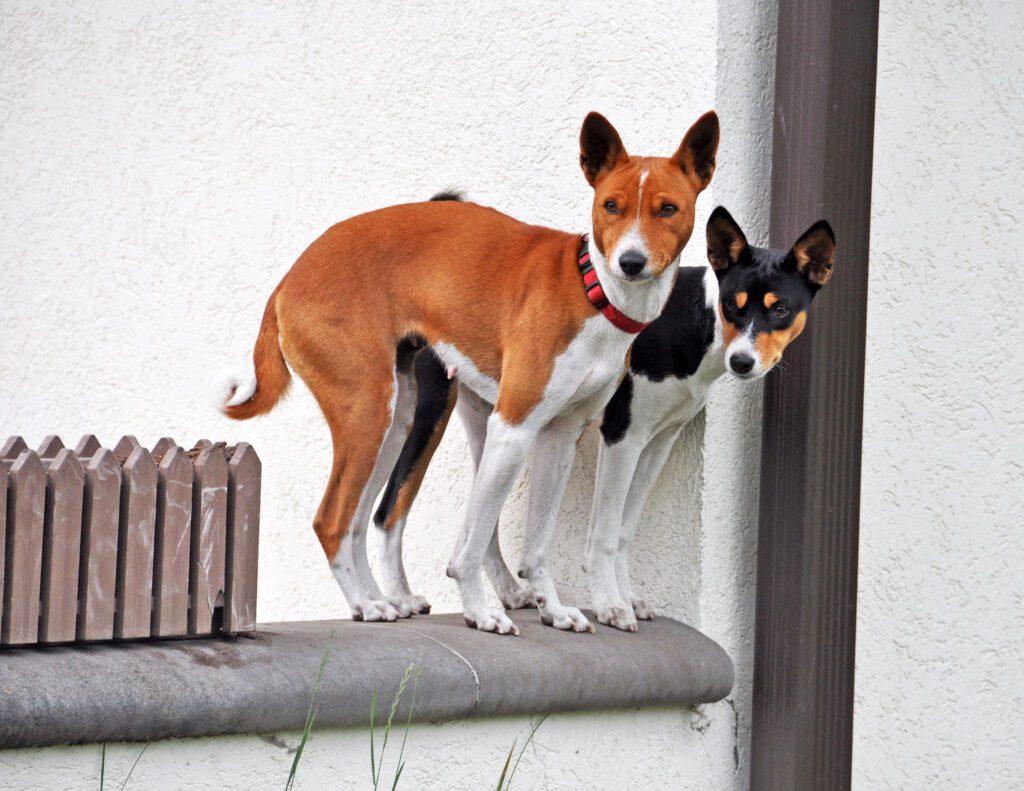

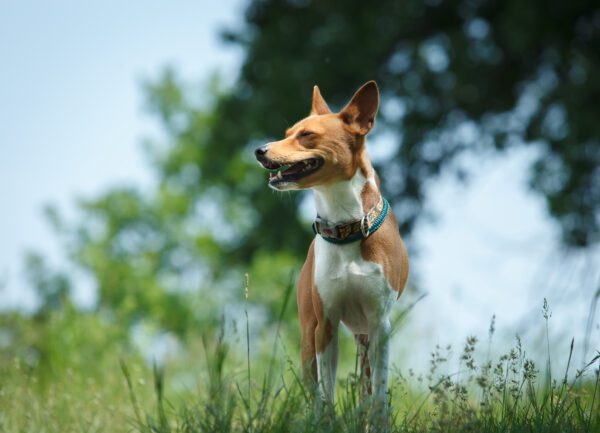
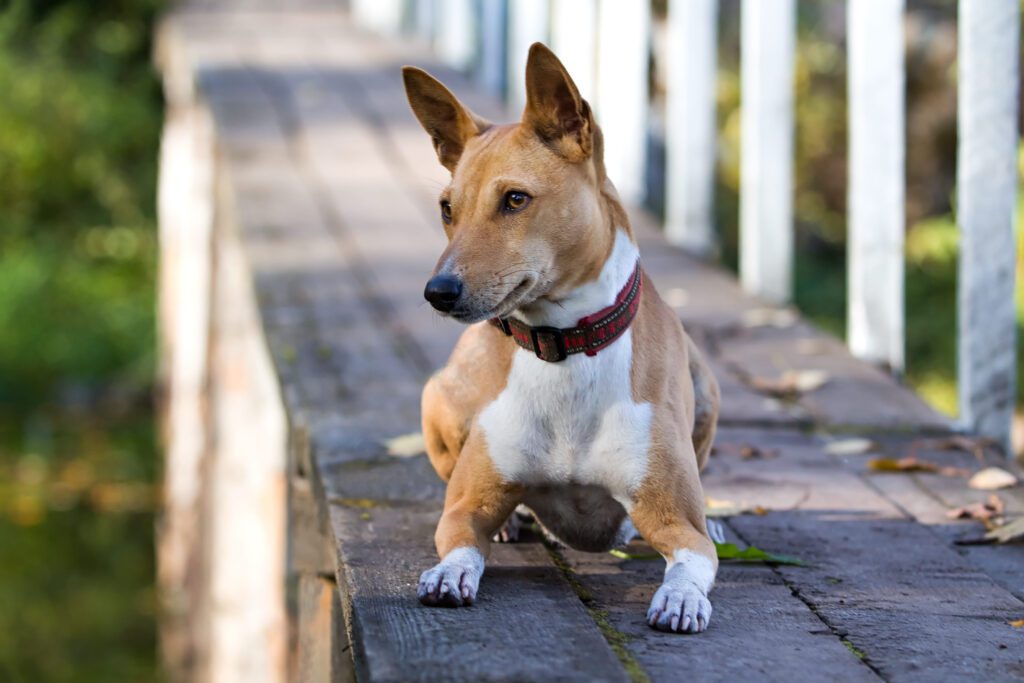
The Basenji is a compact, athletic sighthound known for keen intelligence, catlike grooming habits, and the famous yodel instead of a typical bark. Many people love this breed for its clean coat, low odor, and bright, curious nature. A Basenji bonds closely with family, stays alert, and enjoys problem solving, which can be both charming and challenging.
Research matters before you adopt a Basenji in Alabama. This breed has a strong prey drive, a talent for escape, and an independent streak that requires patient, consistent training. Adoption often provides a healthier start because many dogs come evaluated by caregivers who can share useful behavior notes. Adoption also costs less than buying from a breeder and it supports animal welfare efforts across the state.
Alabama’s climate suits a short-coated Basenji, although hot, humid summers require care. Plan walks during cooler hours, provide shade and water, and watch for heat stress. Mild winters are comfortable, though some Basenjis appreciate a light sweater during cold snaps. Alabama’s mix of suburban yards, rural land, and trails can be great for exercise, but a secure fence and leashed outings are essential due to this breed’s chase instinct and curiosity.
You can avoid searching shelters and rescues one by one by using Dog Academy. You can browse adoptable dogs across Alabama, filter by breed and location, and follow educational guides and adoption checklists that explain requirements, questions to ask, and what to bring to meet-and-greets. This saves time and helps you focus on dogs that match your lifestyle.
Adoptable Basenjis may appear in local animal shelters, regional rescues, and breed-specific rescue groups. Basenjis are less common than many breeds in Alabama, so frequent checks and a flexible timeline help. You can ask about waitlists, request alerts when similar dogs arrive, and share your preferences for age, energy level, and compatibility with other pets.
The process usually starts with browsing listings and submitting an application. Applications often ask about your experience with dogs, your daily schedule, your home setup, and your plan for training and exercise. Many groups verify veterinarian references and landlord approval if you rent. Next comes a phone interview or counseling call to discuss the dog’s needs and to confirm fit.
Most organizations arrange a meet-and-greet with all household members and resident dogs. A home check is common and can be in person or virtual. The goal is to ensure a safe setup with secure fencing, safe containment, and a plan for supervision. If both sides agree to move forward, you sign an adoption contract, pay the fee, and schedule pickup or delivery. Timelines vary, but approval often takes 3 to 14 days once you complete all steps. If a suitable Basenji is out of your immediate area, rescues sometimes arrange transport to move dogs between locations. Transport is often organized by rescue staff or volunteers who coordinate routes and handoffs, and some groups use professional carriers with health certificates and scheduled delivery for an added fee.
|
How Much Does It Cost to Adopt a Basenji in Alabama?Expect to pay about $250 to $500 to adopt a Basenji in Alabama. Fees near the lower end are typical at municipal shelters, while breed-focused rescues often fall near the upper end due to specialized care and longer foster stays. Costs vary with age, training level, medical care provided, and local demand for this breed. Most fees include spaying or neutering, vaccinations, microchipping, and veterinary exams. Many groups also provide heartworm testing, preventives, and sometimes dental cleanings or bloodwork for seniors. Puppies and highly sought-after young adults usually cost more. Older dogs and dogs that need ongoing medical care can vary in price based on treatment already completed. |
How Should I Train a Basenji?Basenjis are intelligent, observant, and independent. They learn quickly when training feels rewarding and brief. Positive reinforcement works best. Use high-value food, play, and praise to mark the exact behavior you want. Keep sessions short and upbeat, then end on success. Focus early on name recognition, attention, recall, loose-leash walking, and impulse control. Consistent management protects progress. Use a secure fence, supervise doorways, and keep the dog on leash outdoors. Crate training helps with downtime and safe travel. Provide daily mental enrichment through scent games, puzzle feeders, and structured sprint games in safe areas. Early and ongoing socialization builds confidence around people, dogs, and novel environments. For step-by-step guidance, you can follow Dog Academy’s online training courses that break skills into clear lessons and include problem-solving tips for common Basenji quirks. |
|
The ideal Basenji owner enjoys daily activity, values training, and keeps a secure home and yard. This breed thrives with routine, patience, and clear boundaries. Many families with older children do well, especially when everyone follows the same rules and reward system. Households with small pets should use caution due to the Basenji’s prey drive.
Preparation makes adoption smoother. Gather supplies, set up safe containment, choose a veterinarian, and plan a gradual schedule for exercise and training. Take your time, ask thoughtful questions, and wait for the right fit. With careful research and steady guidance, you can adopt a Basenji in Alabama and enjoy a loyal, clever companion for years to come.
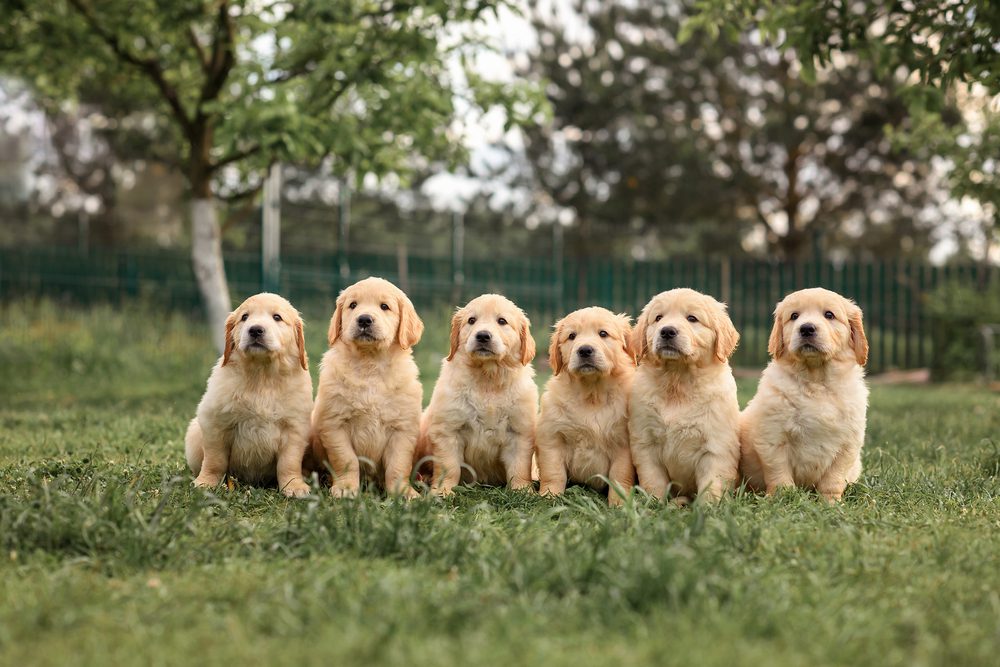
Introducing a new puppy to your current dog is often an exciting process, and many dogs will become fast friends and eas...
Read More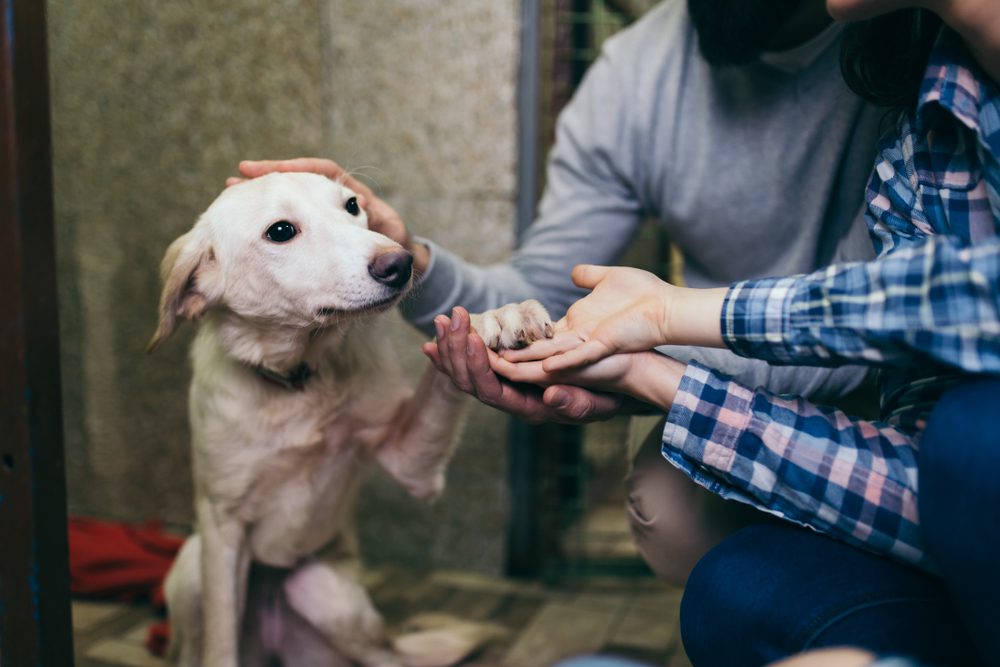
Rescue dogs can make great companions and can transform your home into something better. These dogs make great pets and ...
Read More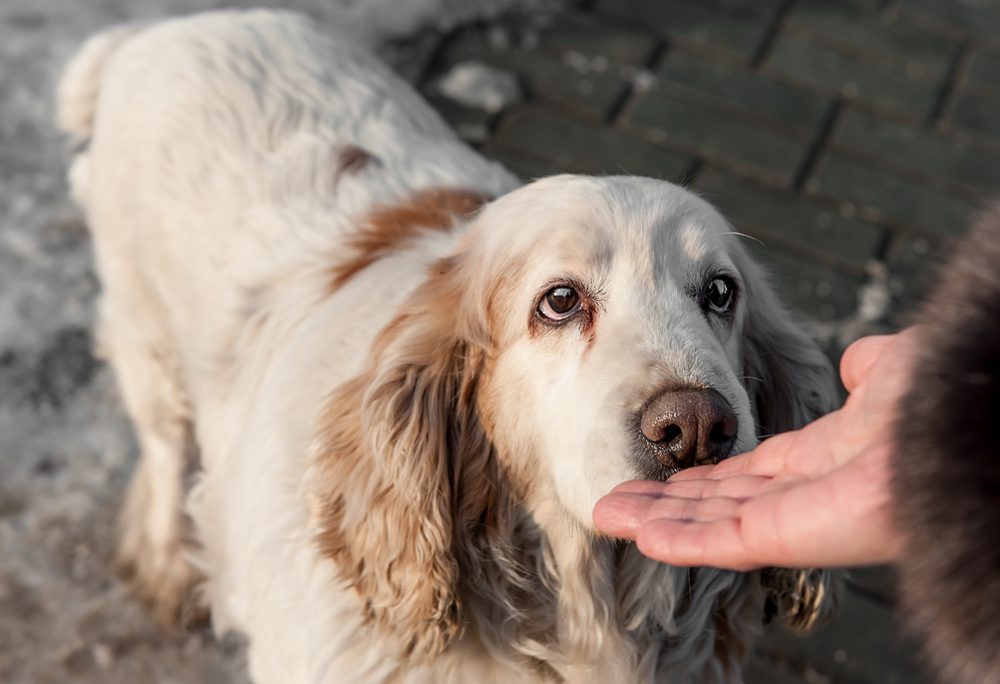
You should never rush to pet a dog. Even dog owners make the mistake of approaching unfamiliar dogs and petting them rig...
Read More
Puppy mill dogs are survivors who have endured extreme hardships in their lives. They have grown up in horrendous, unsan...
Read More
With their wagging tails and comforting presence, adopting a dog can add a unique touch to your life. It’s a heart...
Read More
Older dogs may have a few gray hairs around the edges, but that doesn’t mean they can’t make wonderful companions! T...
Read More