


























































































































































































Introducing a new puppy to your current dog is often an exciting process, and many dogs will become fast friends and eas...
Read MoreAdopt Me
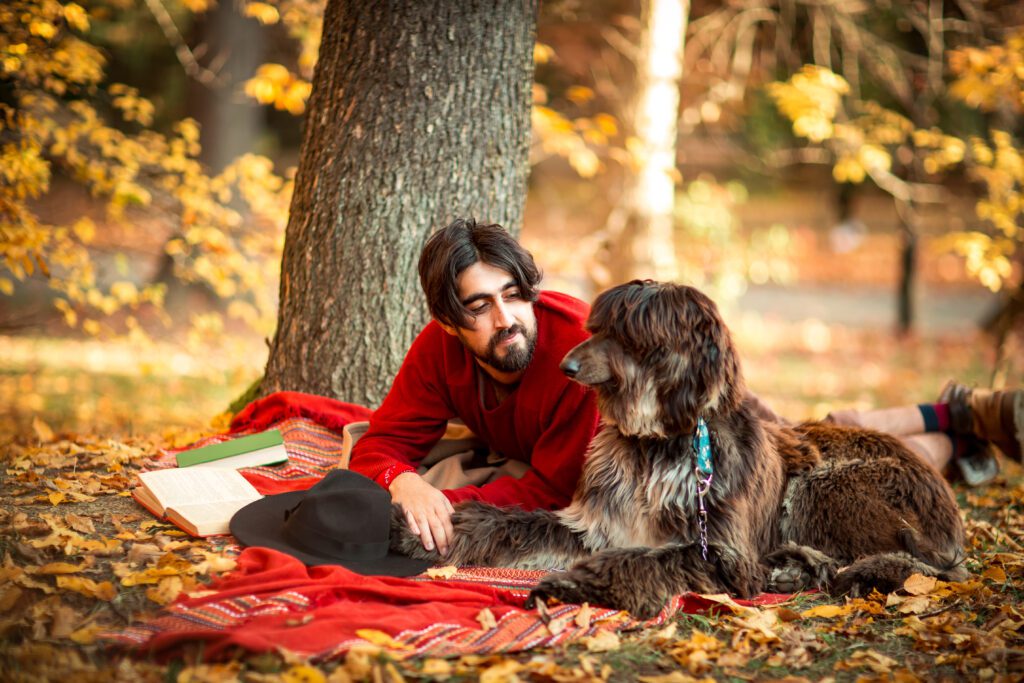


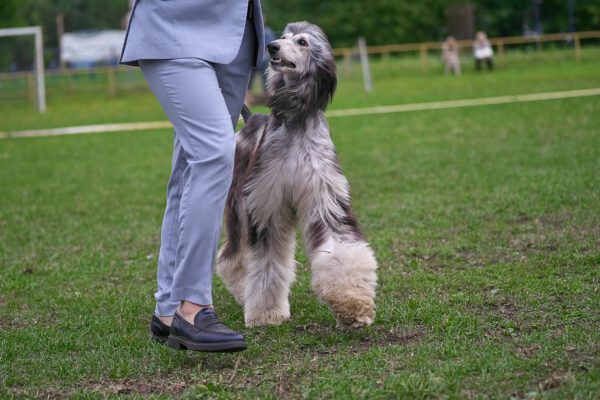
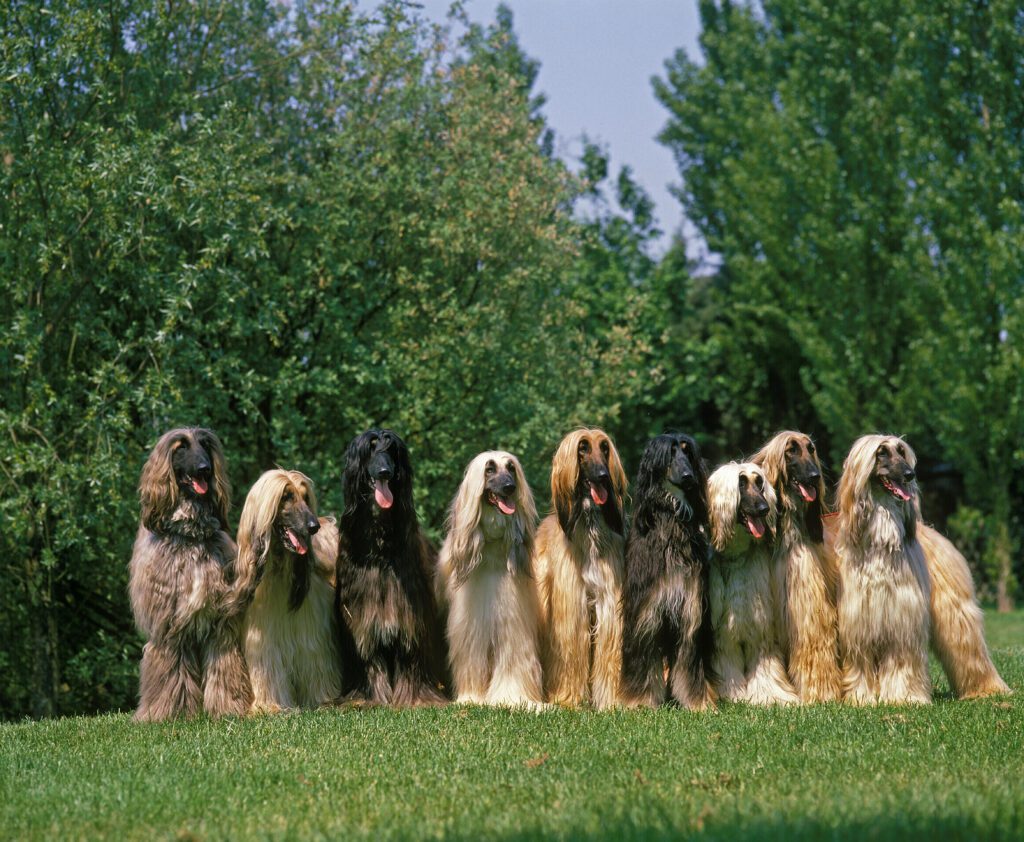
The Afghan Hound is an elegant sighthound with a dignified presence, a graceful stride, and a soft, silky coat. This breed is sensitive, intelligent, and independent. Many Afghan Hounds relax calmly at home after a good run, yet they still enjoy daily exercise and thoughtful enrichment.
Research is essential before you adopt. An Afghan Hound can thrive when its exercise, grooming, and training needs are met. Adoption is preferable to buying because you give a dog a second chance, you support animal welfare, and you often receive full transparency about the dog’s health and temperament.
Massachusetts offers both opportunities and challenges for this breed. Cold winters and coastal winds call for warm coats and shorter outings on the coldest days. Humid summers require shade, water, and careful coat care. Urban living can work if you provide daily walks and safe off-leash time in fully enclosed areas. Suburban neighborhoods and rural trails offer space for controlled sprints, which this sighthound loves. Road salt, ice, and ticks are common in the state, so you should rinse paws, use booties when needed, and follow a veterinary plan for parasite prevention.
You can avoid searching rescues and shelters one by one by using Dog Academy to browse Afghan Hound adoption listings in one place. Dog Academy also offers clear educational guides and adoption checklists that help you prepare your home, plan your budget, and set realistic expectations. You can also explore local animal shelters, regional rescues, and breed-specific rescue groups that serve New England.
Learn the breed’s needs before you apply. Afghan Hounds have a strong prey drive, so you must plan for secure fencing and careful leash handling. The coat requires regular brushing and scheduled grooming to prevent mats. Daily aerobic exercise and mental enrichment help the breed relax at home. If you have children or other pets, you should ask about the dog’s history with families and small animals.
The process usually begins with browsing listings and reading detailed bios. You then submit an application that covers your experience, schedule, home setup, and veterinary history. Screenings often include an interview, landlord verification for renters, and reference checks. A meet-and-greet lets you see how the dog responds to your family and resident pets. Many groups perform a home check, which can be virtual or in person, to ensure safety and containment. Approval timelines often range from 1 to 3 weeks, though specialized cases can take longer.
Some rescues place dogs across regions to find the best match. Transport is often arranged by rescues to move dogs between states using professional drivers or volunteer networks, which requires health certificates and careful scheduling. After adoption, Massachusetts towns require dog licensing within a set timeframe, and state law requires current rabies vaccination, so you should confirm local rules with your veterinarian and your town office.
|
How Much Does It Cost to Adopt a Afghan Hound in Massachusetts?Expect adoption fees for an Afghan Hound in Massachusetts to fall between $300 and $650. The range reflects higher veterinary costs in New England and the breed’s relative rarity. Adult dogs typically land near the middle of this range. Senior dogs may be lower. Young dogs that are already well trained or that needed extensive medical care may be higher. Fees usually include spaying or neutering, vaccinations, microchipping, and veterinary exams. Costs also vary with age, temperament, training level, and demand. A dog that arrives with dental work, specialized dermatology care, or behavioral support often carries a higher fee because those services are expensive to provide in Massachusetts. |
How Should I Train a Afghan Hound?Afghan Hounds are intelligent, but they are also independent. They respond best to short, upbeat sessions that use food, play, and praise. Harsh corrections can shut down a sensitive sighthound, while positive reinforcement builds confidence and reliability. Focus first on calm handling, grooming tolerance, leash skills, and a solid recall trained with a long line in secure areas. Prevent chasing by practicing impulse control and by rewarding attention around distractions. Teach a strong settle routine so your dog can relax in busy Massachusetts neighborhoods. Enrichment like scent games and lure-style play satisfies natural instincts without risking escapes. If you want expert guidance, explore Dog Academy’s online training courses, which show you how to shape reliable behaviors with clear steps you can follow at home. |
|
The ideal owner for an Afghan Hound is patient, consistent, and calm. Daily walks, safe sprint time, and regular grooming are part of the routine. A secure yard or access to fully enclosed fields keeps this athletic sighthound safe.
Preparation sets you and your dog up for success. Take time to research the breed, gather supplies, and plan your training routine. Move at a thoughtful pace, ask clear questions, and choose the dog whose needs match your lifestyle. With the right fit, your Afghan Hound will thrive in Massachusetts and become a graceful, loving companion for years to come.

Introducing a new puppy to your current dog is often an exciting process, and many dogs will become fast friends and eas...
Read More
Rescue dogs can make great companions and can transform your home into something better. These dogs make great pets and ...
Read More
You should never rush to pet a dog. Even dog owners make the mistake of approaching unfamiliar dogs and petting them rig...
Read More
Puppy mill dogs are survivors who have endured extreme hardships in their lives. They have grown up in horrendous, unsan...
Read More
With their wagging tails and comforting presence, adopting a dog can add a unique touch to your life. It’s a heart...
Read More
Older dogs may have a few gray hairs around the edges, but that doesn’t mean they can’t make wonderful companions! T...
Read More