






















































































































































































Introducing a new puppy to your current dog is often an exciting process, and many dogs will become fast friends and eas...
Read MoreAdopt Me
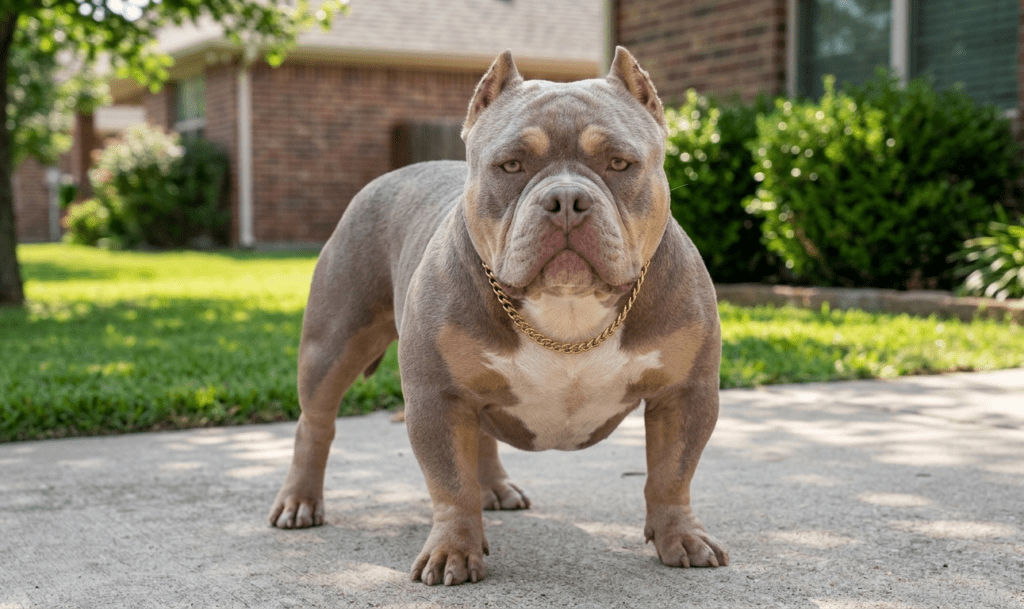
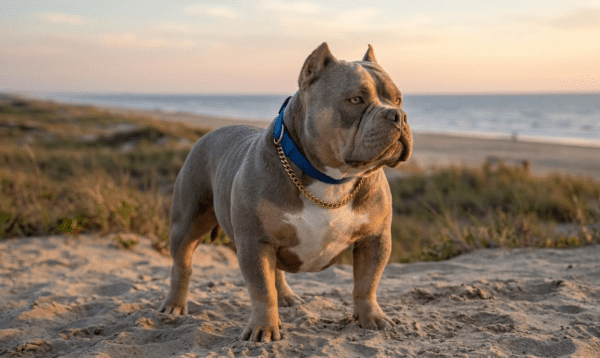
An Exotic Bully is a compact, muscular companion with a soft heart and a steady temperament. This breed is affectionate, people focused, and eager to relax with the family after a short burst of play. The Exotic Bully thrives on human attention, clear boundaries, and gentle structure. Careful research before adoption helps every dog and owner start strong, especially with a powerful breed that benefits from consistent training and thoughtful socialization.
Adoption is a rewarding path because it gives a deserving dog a second chance while supporting responsible animal welfare. Many Exotic Bullies enter rescues through owner surrenders, and many arrive already house trained and socialized. North Dakota offers a calm, spacious lifestyle that suits a dog that enjoys short daily outings and long indoor rest periods. The state’s climate brings very cold winters and warm summers, which can be challenging for a short-coated, broad-headed breed, so planning for weather protection is essential.
Wide open spaces and a quieter pace make North Dakota appealing for structured walks and controlled play. Rural distances can require extra planning for veterinary visits and training sessions. Apartment living can work with this breed when owners commit to daily walks, mental enrichment, and respectful neighbors. A secure yard is helpful, although regular leashed exercise and indoor engagement can meet needs when outdoor time is limited by weather.
You can avoid searching rescues and shelters one by one by using Dog Academy, which hosts adoption listings and provides educational guides and adoption checklists. You can also check local animal shelters, regional rescues, and breed-specific rescue groups for available dogs. Reading each profile carefully helps you understand temperament, energy level, medical history, and any training needs before you apply.
The process usually starts with browsing listings, submitting an application, and sharing information about your home, schedule, and experience with dogs. Many organizations ask for references and a landlord letter when applicable. Some groups schedule virtual or in-person home checks to confirm that the environment is safe and that the dog’s needs can be met. These steps protect both the adopter and the dog by ensuring a strong match.
After approval, you can expect a meet-and-greet to assess fit with all household members, including other pets. A foster or staff member often guides introductions and answers behavior questions. Timelines vary by group and by dog, but many approvals move from application to adoption within 1 to 3 weeks. If your perfect match is outside your area, transport may be available. Transport is often arranged by rescues to move dogs between locations using volunteer drivers or licensed pet transport services that follow safe handling practices.
Before you finalize an adoption, confirm what support the group provides after placement. Many organizations offer trial periods, behavior advice, or low-cost follow-up veterinary referrals. Understanding these details helps you plan for the first days at home and reduces stress for the dog.
|
How Much Does It Cost to Adopt a Exotic Bully in North Dakota?In North Dakota, adoption fees for an Exotic Bully typically range from $200 to $450 for most dogs. Puppies or highly in-demand dogs may reach $500 or slightly higher when recent medical care and training support are included. Fees reflect age, training status, recent medical treatment, and local demand for the breed. Many groups include spaying or neutering, vaccinations, microchipping, and veterinary exams in the fee, which reduces your initial costs significantly. Expect slightly lower fees for senior dogs and slightly higher fees for puppies or dogs that received extensive veterinary care. Pricing can also shift when a dog has completed obedience work, because professional training raises program costs. Asking for an itemized breakdown helps you compare options and understand value. |
How Should I Train a Exotic Bully?The Exotic Bully is intelligent and food motivated, which makes positive reinforcement effective and enjoyable. Short, upbeat sessions build reliability without causing frustration. Focus on foundation skills like name recognition, loose-leash walking, sit, down, stay, leave it, and relaxed crate time. Early socialization with calm, controlled exposures helps prevent reactivity and supports polite greetings. Clear rules, consistent routines, and generous rewards build trust and reduce pushy behavior. Common challenges include leash pulling, excitability during greetings, and boredom when exercise is inconsistent. Use structured walks, puzzle feeders, and short training games to balance body and mind. Winter in North Dakota can limit outdoor time, so plan indoor enrichment and short, safe outings with a warm coat and paw protection. Summer heat can stress short-muzzled dogs, so avoid midday sun and provide shade and water. For step-by-step guidance tailored to bully breeds, explore Dog Academy’s online training courses to build manners, confidence, and impulse control at a comfortable pace. |
|
The ideal adopter is patient, consistent, and ready to guide a strong yet sensitive companion. A great match offers daily walks, fair boundaries, gentle handling, and a home that plans for cold winters and warm summers. Families with children can succeed when adults supervise interactions, teach respectful handling, and maintain predictable routines. First-time owners can thrive with good coaching and a commitment to training and socialization.
Take time to research, prepare your home, and gather supplies before adoption day. Confirm local pet rules, schedule a wellness exam, and plan for training support. When you feel ready, browse statewide listings through Dog Academy, read each profile carefully, and choose an Exotic Bully that fits your lifestyle. A thoughtful approach sets the stage for a loyal friendship that lasts.

Introducing a new puppy to your current dog is often an exciting process, and many dogs will become fast friends and eas...
Read More
Rescue dogs can make great companions and can transform your home into something better. These dogs make great pets and ...
Read More
You should never rush to pet a dog. Even dog owners make the mistake of approaching unfamiliar dogs and petting them rig...
Read More
Puppy mill dogs are survivors who have endured extreme hardships in their lives. They have grown up in horrendous, unsan...
Read More
With their wagging tails and comforting presence, adopting a dog can add a unique touch to your life. It’s a heart...
Read More
Older dogs may have a few gray hairs around the edges, but that doesn’t mean they can’t make wonderful companions! T...
Read More