

























































































































































































Introducing a new puppy to your current dog is often an exciting process, and many dogs will become fast friends and eas...
Read MoreAdopt Me

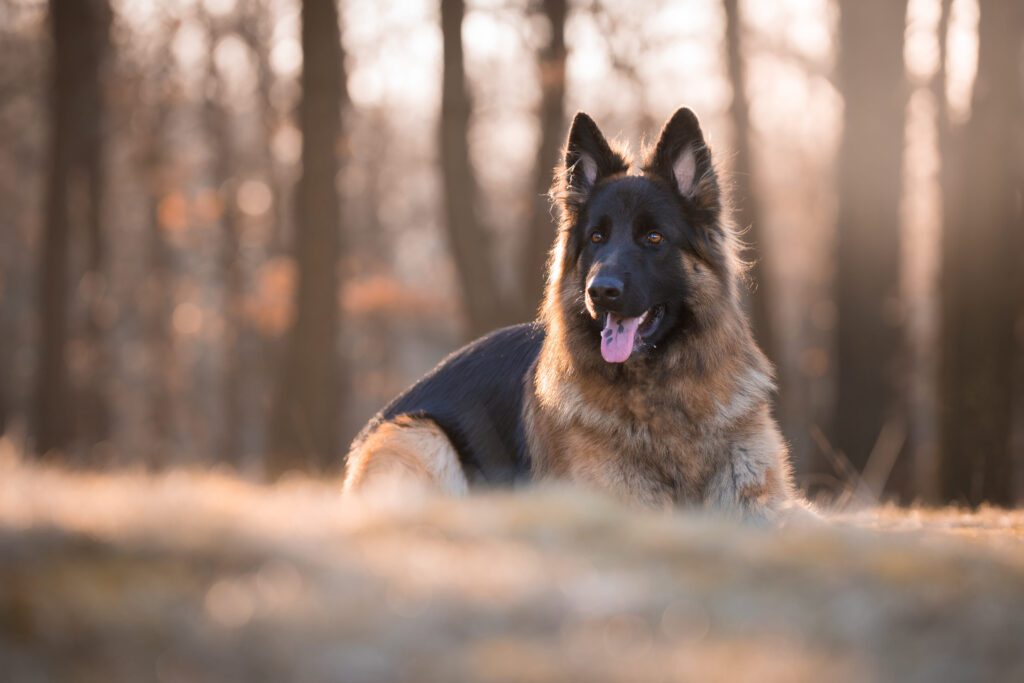


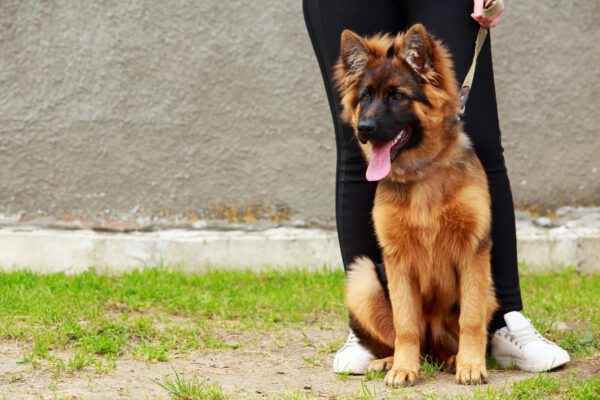
The King Shepherd is a large, loyal, and intelligent companion with a calm yet confident nature. This breed bonds deeply with family, shows steady bravery, and thrives when given clear guidance. Careful research matters before you adopt because a strong and sensitive dog like the King Shepherd needs structure, daily activity, and social time. Adoption is a smart choice because it gives a deserving dog a second chance, often includes essential veterinary care, and supports the lifesaving work of shelters and rescues.
North Dakota offers many advantages for a King Shepherd. The state’s cold winters suit this double-coated breed, and the open spaces encourage purposeful exercise and scenting games. Long stretches of wind and snow call for cold-weather safety and shorter sessions on the harshest days. Summers can run warm, so shade, water, and rest breaks keep a big dog comfortable. Families with active routines, secure yards, and time for training find that North Dakota life can fit a King Shepherd very well.
You can avoid searching for rescues and shelters separately by using Dog Academy. The adoption listings let you browse King Shepherds and shepherd mixes in one place, filter by age and location, and read clear profiles. You can also use Dog Academy’s educational guides and adoption checklists to prepare your home, plan a first week schedule, and set realistic expectations.
Start by checking local animal shelters, regional rescues, and breed-specific rescue groups. Many organizations post detailed profiles with photos, notes on temperament, and current medical status. Read every profile closely so you understand energy level, training history, diet needs, and any behavioral notes. A King Shepherd often excels in homes that offer daily exercise, mental enrichment, and calm leadership, so match those needs to your lifestyle before you apply.
The process usually begins with browsing listings and submitting an application. Applications often ask for veterinary references, proof of home ownership or landlord approval, and a plan for training and daily care. After an initial review, many groups schedule a meet-and-greet to assess fit with all household members and any resident pets. A home check may follow, which can be virtual or in person, to confirm safety, fencing, and space for a large dog. Approval timelines vary by organization and the dog’s needs, but many adoptions move from application to decision within 1 to 3 weeks.
If your chosen dog is outside your immediate area, ask about transport. Transport is often arranged by rescues to move dogs between locations using volunteer drivers or licensed carriers. Groups explain costs, schedules, and safety protocols in advance so you know when to meet your dog and what to bring on pickup day.
|
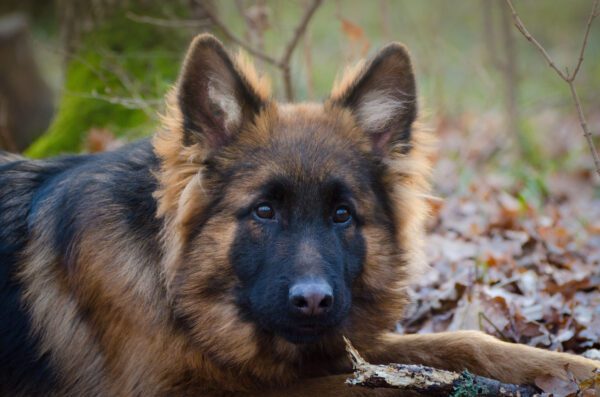
How Much Does It Cost to Adopt a King Shepherd in North Dakota?In North Dakota, expect adoption fees for a King Shepherd or a close shepherd mix to fall around $250 to $450 for most adults and $350 to $650 for puppies. The range reflects the costs of spaying or neutering, vaccinations, microchipping, and veterinary exams. Large-breed dogs often receive orthopedic checks and heartworm tests, which can raise costs slightly. Fees vary with age, training, medical care, and demand. Puppies and young adults usually cost more due to higher demand and recent preventive care. Well-mannered dogs with completed obedience work may carry higher fees because training adds value. Dogs recovering from medical treatment can cost more to offset care, while seniors may cost less to encourage adoption into calm homes. |
How Should I Train a King Shepherd?The King Shepherd is highly intelligent and eager to work, which makes training both rewarding and essential. Short, upbeat sessions build focus and trust. Positive reinforcement teaches the dog to offer good choices and to repeat them reliably. Use clear markers, small food rewards, and calm praise to reinforce sit, down, stay, and recall. Add loose-leash walking early because a large dog with strength needs excellent leash manners. Common challenges include overprotective behavior, herding tendencies with quick-moving children, and vocal alerts toward new sights and sounds. Address these tendencies with structured socialization, neutral exposure to people and dogs, and impulse control games. Daily mental work prevents boredom and reduces unwanted behavior. Food puzzles, scent trails, platform training, and tug with rules keep a sharp mind satisfied. For step-by-step support, explore Dog Academy’s online training courses. You can follow clear curricula for obedience, leash skills, calm greetings, and confidence building. Lessons show how to set up sessions, when to increase difficulty, and how to troubleshoot setbacks in a kind and consistent way. |
|
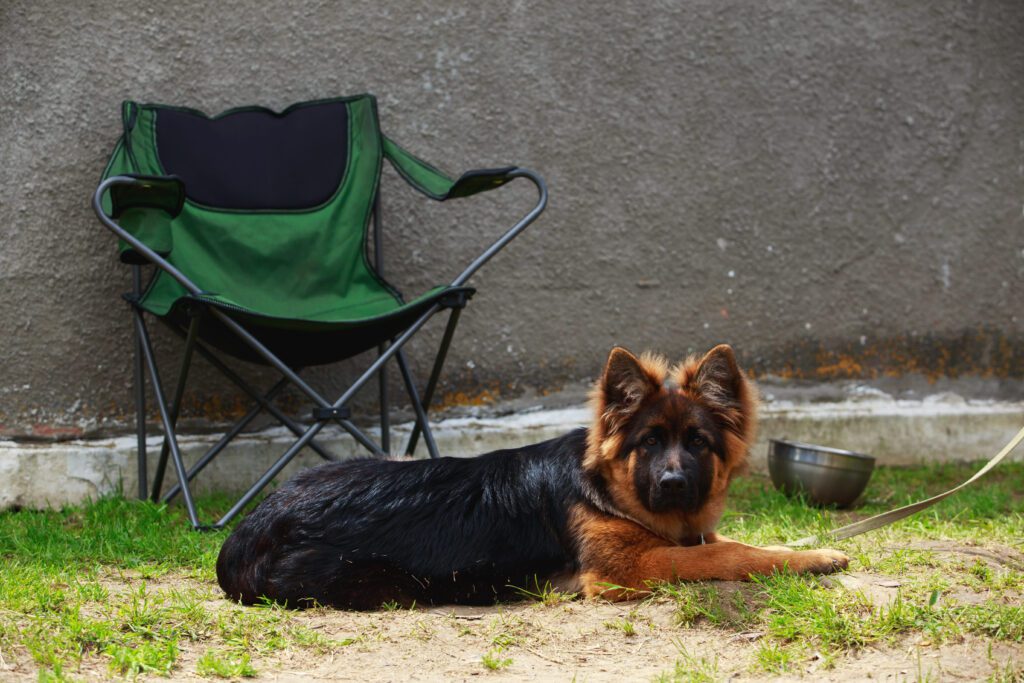
The ideal home for a King Shepherd offers daily exercise, patient training, and steady companionship. An adopter with time for long walks, structured play, and weekly grooming will help this large dog stay healthy and relaxed. A secure yard, clear house rules, and a plan for ongoing socialization create a safe and stable routine.
Prepare your home, set a training schedule, and gather supplies before you apply. Research thoroughly, ask direct questions, and move at a thoughtful pace. When you adopt a King Shepherd in North Dakota with preparation and patience, you set the stage for a confident match and a lifelong bond.

Introducing a new puppy to your current dog is often an exciting process, and many dogs will become fast friends and eas...
Read More
Rescue dogs can make great companions and can transform your home into something better. These dogs make great pets and ...
Read More
You should never rush to pet a dog. Even dog owners make the mistake of approaching unfamiliar dogs and petting them rig...
Read More
Puppy mill dogs are survivors who have endured extreme hardships in their lives. They have grown up in horrendous, unsan...
Read More
With their wagging tails and comforting presence, adopting a dog can add a unique touch to your life. It’s a heart...
Read More
Older dogs may have a few gray hairs around the edges, but that doesn’t mean they can’t make wonderful companions! T...
Read More