

























































































































































































Introducing a new puppy to your current dog is often an exciting process, and many dogs will become fast friends and eas...
Read MoreAdopt Me

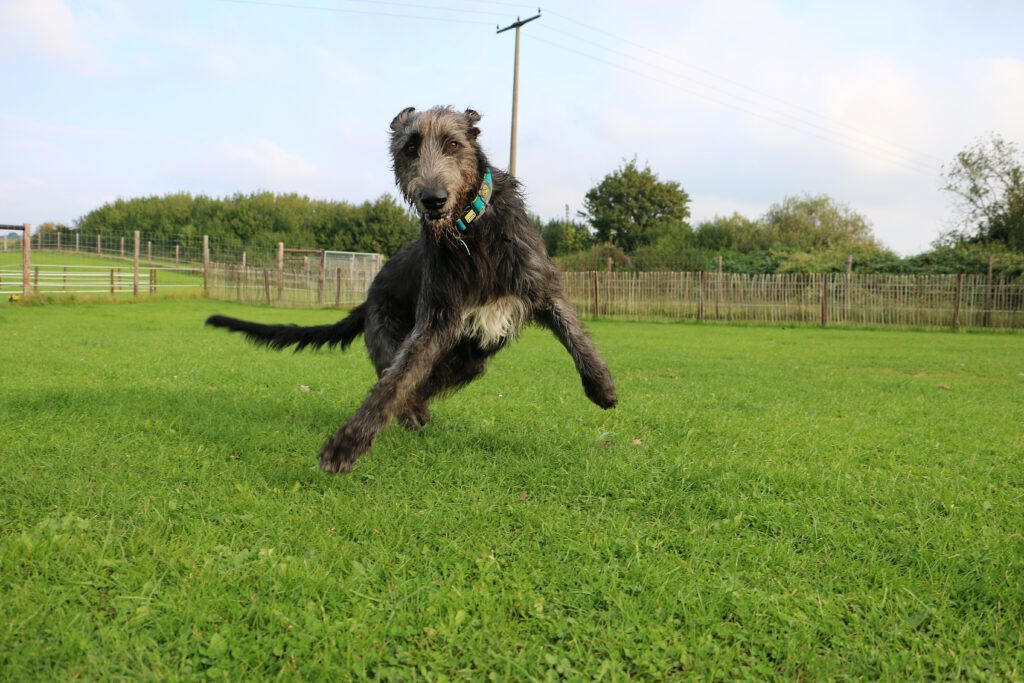


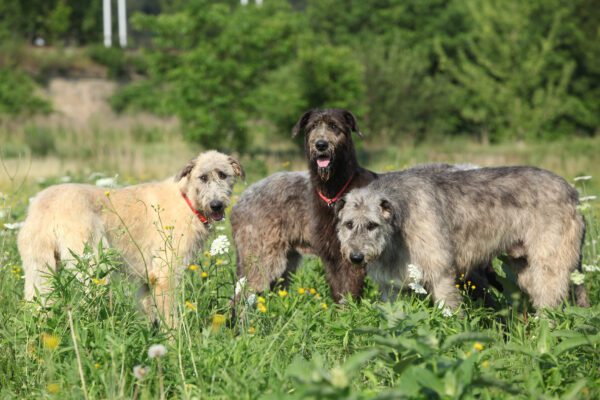
The Irish Wolfhound is a gentle giant known for a calm, affectionate nature and a steady, people-focused temperament. This sighthound loves quiet companionship, soft beds, and long, easy walks. The breed grows very tall yet usually stays polite and sensitive, which makes patience and kindness essential. Thoughtful research matters because a giant breed adds unique needs for space, training, and veterinary care.
Adoption is a powerful choice because it gives a deserving dog a second chance while also supporting responsible animal welfare. Adopting an Irish Wolfhound often includes essential medical care and transparent behavior notes gathered in foster homes. Buying does not guarantee that level of support or suitability, and it can encourage breeding that does not prioritize health or temperament.
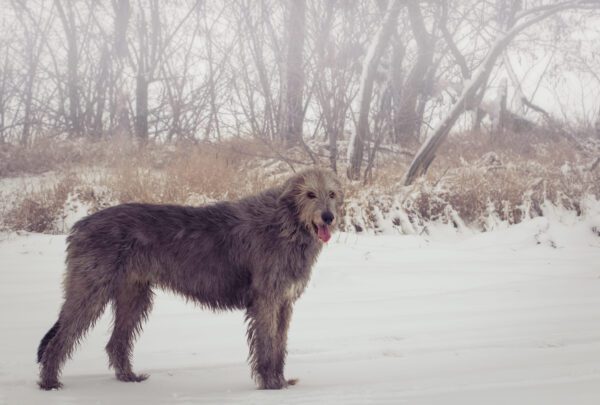
North Dakota offers wide open spaces and quiet neighborhoods that suit an Irish Wolfhound’s relaxed lifestyle. The rough coat handles cold wind and snow well, although all dogs still need a warm, draft-free place to rest. Hot summer afternoons require shade, fresh water, and short activity windows to prevent overheating. The state’s long distances between towns can mean fewer local options, so planning for travel, training, and veterinary access helps the breed thrive.
You can skip searching separate shelters and rescues by starting with Dog Academy, which gathers adoptable dogs in one place and provides educational guides and adoption checklists. You can also look at local animal shelters, regional rescues, and breed-specific rescue groups that serve the Upper Midwest. Many organizations list dogs online with age, size, behavior notes, and location details so you can focus on the best match for your home.
Begin by browsing listings and filtering by state, distance, age, and temperament. Read the full profiles to confirm key needs such as a fenced yard, a calm home, or limited stairs. Submit an application that explains your schedule, experience, housing situation, and veterinary plan. Most groups ask for references, landlord permission when you rent, and a brief conversation about your expectations and daily routine.
After an application review, many groups schedule a meet-and-greet to check chemistry with all family members and pets. A home check often follows to confirm safe fencing, secure gates, stable stairs, and a quiet indoor space. Some teams complete this step virtually with video, while others visit in person to offer setup tips for a smooth transition. Approval timelines vary by organization and volunteer availability, and many adoptions in North Dakota finalize within 1 to 3 weeks once you complete each step.
If the right Irish Wolfhound is not nearby, ask about transport. Transport is often arranged by rescues to move dogs between states using volunteer drivers or licensed carriers. The sending group usually coordinates a health certificate, a fitted collar, and safe crating so the dog arrives calm and ready to settle into your home.
|
How Much Does It Cost to Adopt a Irish Wolfhound in North Dakota?Most adopters in North Dakota can expect to pay $250 to $500 to adopt an Irish Wolfhound, with well-vetted puppies sometimes reaching $600. Adult fees in the state tend to sit in the middle of that range because overhead is lower than in many metro areas, while puppies and recently trained dogs often cost more due to higher demand and added care. Fees usually reflect spaying or neutering, vaccinations, microchipping, and veterinary exams. Costs also shift with age, training, medical treatment, and transport. Giant breeds can require more expensive medications and anesthesia, which increases veterinary spending that rescues must recover. Ask for a fee breakdown so you understand what has been completed and what you should plan to do after adoption. |
How Should I Train a Irish Wolfhound?Irish Wolfhounds are intelligent, sensitive, and eager to cooperate when training stays gentle and clear. Short, upbeat sessions work best. Use positive reinforcement with food rewards, praise, and calm handling to build confidence. Early socialization teaches polite greetings, relaxed handling for grooming, and comfort with car travel and veterinary visits. Focus on loose-leash walking, a solid recall, and impulse control around wildlife. Sighthounds have a strong chase instinct, so teach a committed come-when-called and practice in safe, enclosed spaces. Protect growing joints by keeping jumps low and sessions short during adolescence. For step-by-step guidance, explore Dog Academy’s online training courses, which cover foundation skills, polite leash manners, and enrichment tailored to large breeds. |
|
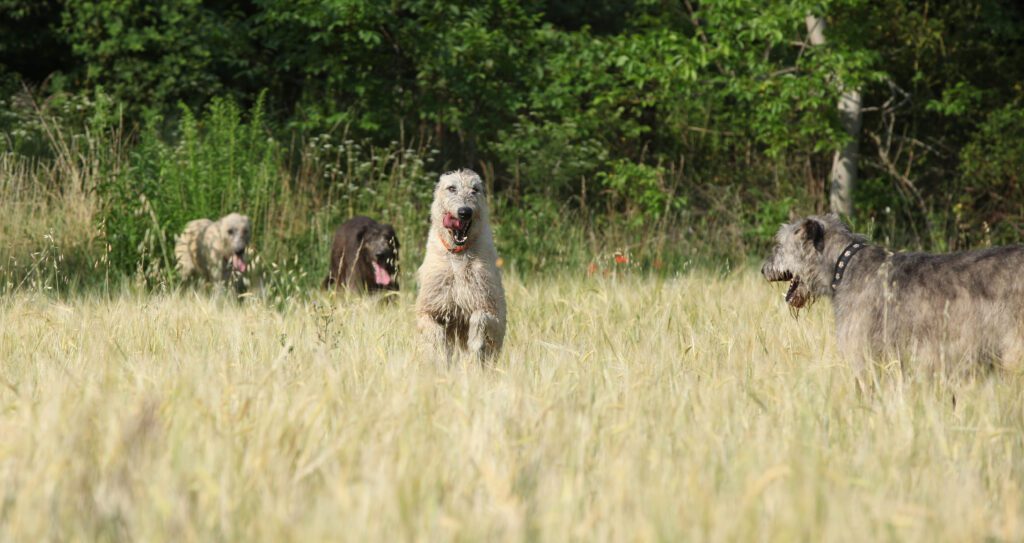
The ideal adopter provides a calm home, room to stretch, a securely fenced area for off-leash time, and a budget that supports giant-breed nutrition and veterinary care. Consistent training, patient routines, and sensible exercise help this serene hound settle into family life.
Take time to research, ask detailed questions, and prepare your home before the first day. When you move at a thoughtful pace, you set up a lifelong match and give an Irish Wolfhound the safe, comfortable life the breed deserves in North Dakota.

Introducing a new puppy to your current dog is often an exciting process, and many dogs will become fast friends and eas...
Read More
Rescue dogs can make great companions and can transform your home into something better. These dogs make great pets and ...
Read More
You should never rush to pet a dog. Even dog owners make the mistake of approaching unfamiliar dogs and petting them rig...
Read More
Puppy mill dogs are survivors who have endured extreme hardships in their lives. They have grown up in horrendous, unsan...
Read More
With their wagging tails and comforting presence, adopting a dog can add a unique touch to your life. It’s a heart...
Read More
Older dogs may have a few gray hairs around the edges, but that doesn’t mean they can’t make wonderful companions! T...
Read More