














Introducing a new puppy to your current dog is often an exciting process, and many dogs will become fast friends and eas...
Read MoreAdopt Me

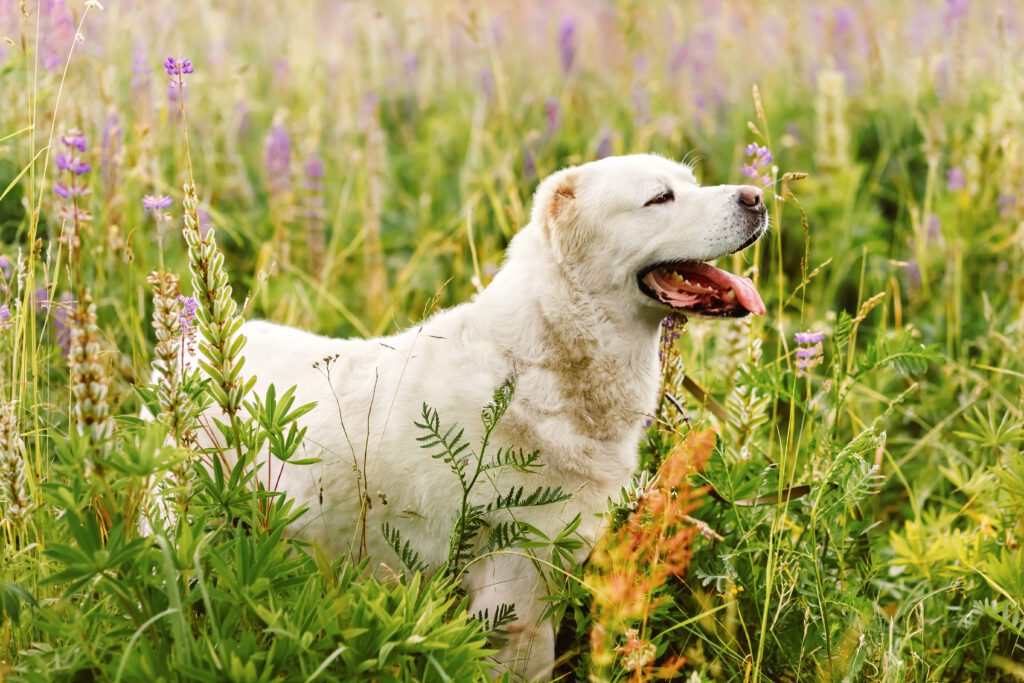
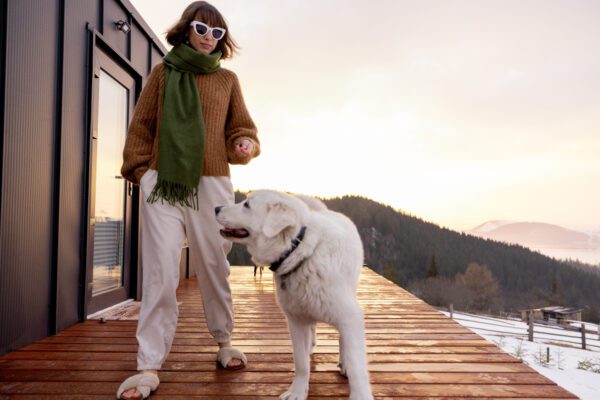
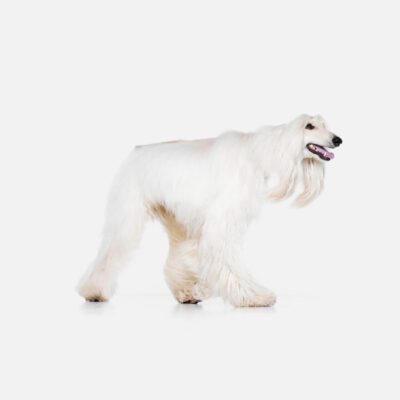
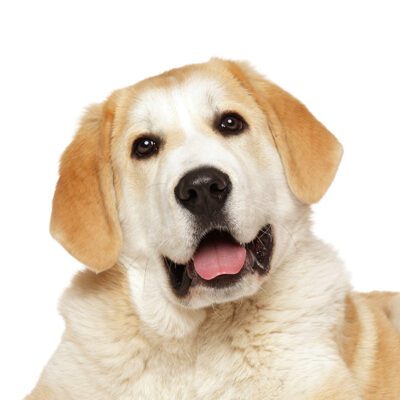
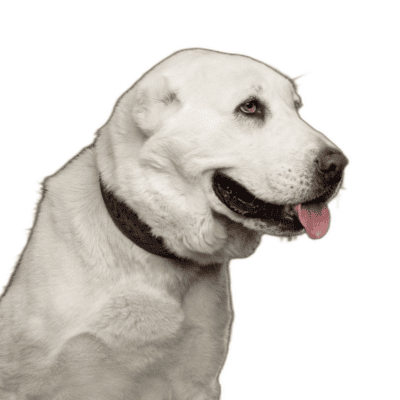
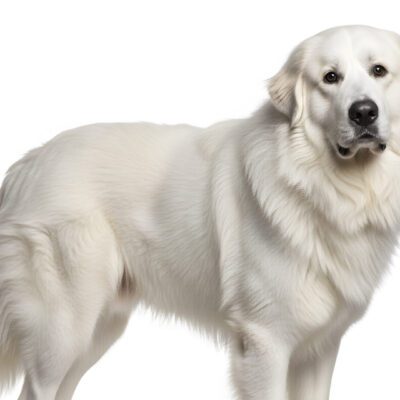
The Akbash is a calm, confident livestock guardian known for steady courage, independent thinking, and deep loyalty to family. This large, white, double-coated dog watches quietly, assesses calmly, and responds decisively when needed. The breed thrives when given clear purpose, steady guidance, and respectful handling. Research matters because the Akbash combines a gentle home presence with strong protective instincts that need thoughtful training and management.
Adoption gives a deserving dog a new start and gives you insight into temperament and needs that have already begun to emerge. Adopting also supports community shelters and rescues that provide essential care and behavioral evaluations. Buying can hide the true needs of the breed and can overlook dogs already waiting for homes. Adoption aligns your heart and your values while helping a dog who benefits from your preparation.
North Dakota suits Akbash dogs in many ways. The thick coat handles frigid winters and steady winds across open prairies and farm country. Rural properties and ranch settings provide space and meaningful work, which this guardian breed appreciates. Summer heat still requires shade, cool water, and rest during the hottest hours. Secure fencing is essential in town and country because a vigilant guardian may roam to investigate perceived threats. Families with active outdoor routines and consistent schedules find the Akbash a devoted partner.
You can skip searching shelters and rescues one by one by using Dog Academy. The adoption listings bring together dogs available through local animal shelters, regional rescues, and breed-specific rescue groups in one place. You can also use Dog Academy guides and adoption checklists to prepare your home, compare candidates, and plan an arrival day that reduces stress.
Start by browsing listings to learn about age, size, temperament notes, and location. Many Akbash dogs appear in rural shelters and in foster homes across the region. If a dog is outside your area, ask about transport. Transport is often arranged by rescues to move dogs between locations using volunteer drivers or professional carriers, and it usually requires a health certificate from a veterinarian.
When you find a good match, submit an application with detailed information about your home, schedule, fencing, other pets, and experience with large or guardian breeds. Groups commonly request personal references, veterinary references, and landlord approval when you rent. After an initial review, you will be invited to a phone interview to discuss expectations and to confirm that the dog’s needs match your lifestyle and space.
Next comes a meet-and-greet. Plan to bring all household members and any resident dogs to assess compatibility in a neutral location. Many groups also complete a home check, either in person or by virtual tour, to confirm safety and containment. Approval timelines vary, but most applicants receive decisions within 3 to 14 days, depending on scheduling and the dog’s readiness. Once approved, you will sign an adoption contract, pay the fee, and set a pick-up date. Some groups offer a trial period to support a smooth transition with coaching on decompression and routine building.
|
How Much Does It Cost to Adopt a Akbash in North Dakota?In North Dakota, most Akbash adoption fees range from $150 to $450. Fees tend to be higher for puppies and for dogs with completed training or recent medical work. They can be lower for seniors or for dogs who have waited longer due to size or guardian breed needs. Costs reflect age, training, medical care, and regional demand. Adoption fees typically include spaying or neutering, vaccinations, microchipping, and veterinary exams. Some groups also provide deworming, heartworm testing, and a starter supply of food or medications. A well-documented medical record and recent preventative care can place a dog at the higher end of the range, while a straightforward, healthy adult may fall near the middle. |
How Should I Train a Akbash?Akbash dogs are intelligent, observant, and independent. They learn quickly when training honors their guardian mindset. Use calm, consistent routines, clear boundaries, and high-value rewards. Keep sessions short and purposeful. Focus on rock-solid basics like name recognition, recall, loose-leash walking, place training, and polite greetings. Reward calm choices and quiet vigilance so the dog learns when to relax and when to respond. Common challenges include selective recall, territorial barking, and overprotective decisions during unfamiliar situations. Early and ongoing socialization is vital. Introduce new people, friendly dogs, livestock, and novel environments at a pace that preserves confidence. Teach impulse control through structured door practices, supervised yard time, and restful crate time. If you want expert guidance tailored to guardian breeds, explore Dog Academy’s online training courses. The lessons show you how to use positive reinforcement, set household rules, and manage a large, thoughtful dog with kindness and clarity. |
|
The ideal home for an Akbash offers space, secure fencing, steady routines, and confident leadership from an owner who understands guardian instincts. Active families, small farms, and rural households often provide the structure and purpose this breed appreciates. Urban adopters can succeed when they commit to daily exercise, careful management, and respectful socialization.
Prepare your home, gather supplies, and learn the breed before you adopt. Take time to meet more than one dog and ask detailed questions about history and behavior. With patience and planning, you will adopt the right Akbash in North Dakota and build a steady partnership that lasts for years.
Introducing a new puppy to your current dog is often an exciting process, and many dogs will become fast friends and eas...
Read More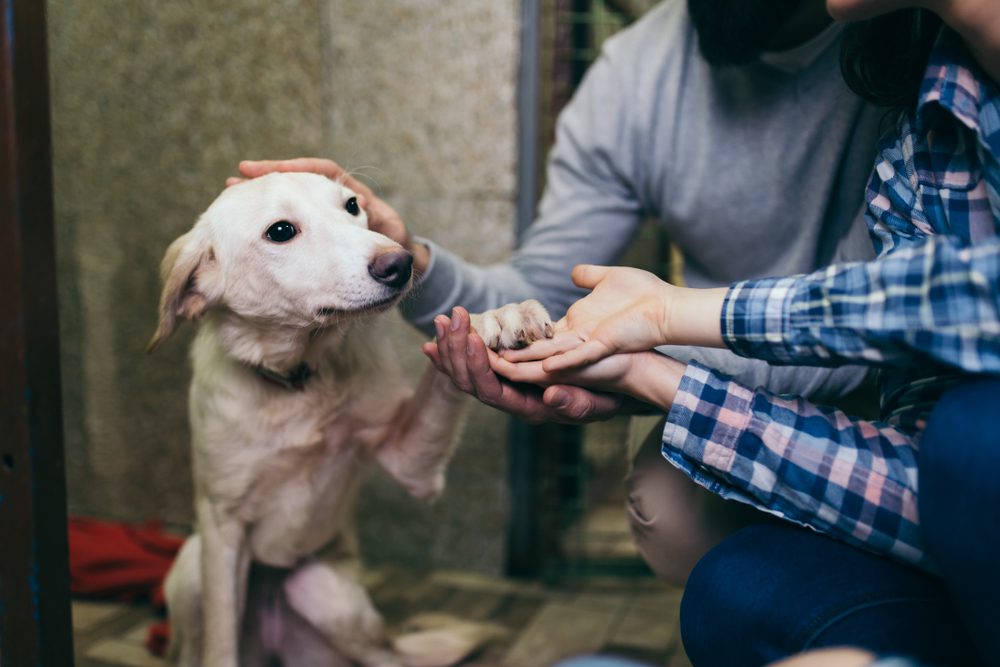
Rescue dogs can make great companions and can transform your home into something better. These dogs make great pets and ...
Read More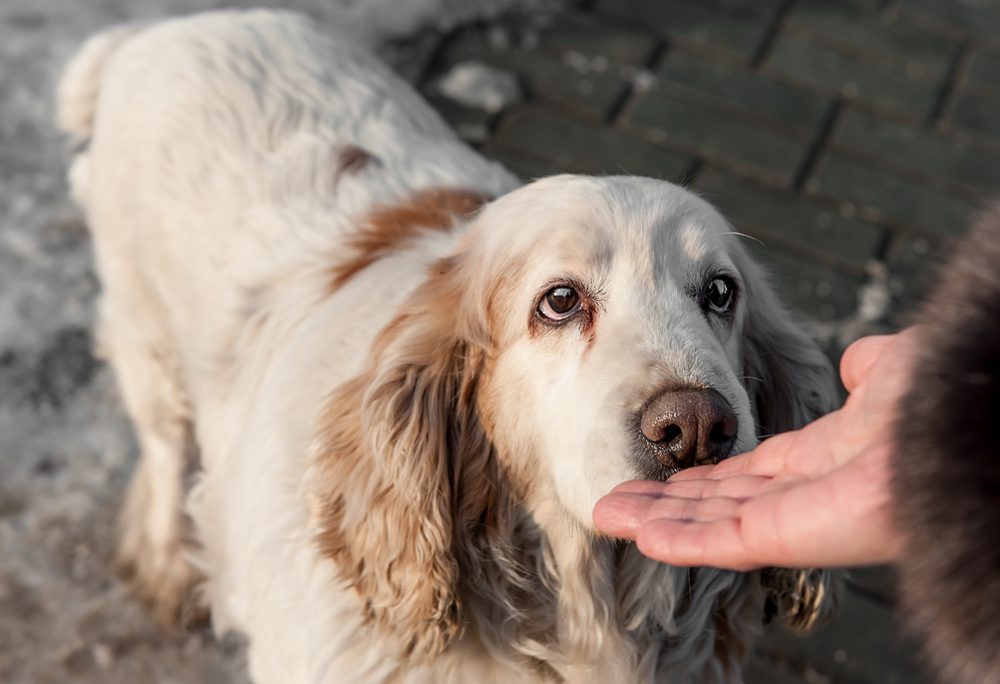
You should never rush to pet a dog. Even dog owners make the mistake of approaching unfamiliar dogs and petting them rig...
Read More
Puppy mill dogs are survivors who have endured extreme hardships in their lives. They have grown up in horrendous, unsan...
Read More
With their wagging tails and comforting presence, adopting a dog can add a unique touch to your life. It’s a heart...
Read More
Older dogs may have a few gray hairs around the edges, but that doesn’t mean they can’t make wonderful companions! T...
Read More