






















































































































































































Introducing a new puppy to your current dog is often an exciting process, and many dogs will become fast friends and eas...
Read More
How to Introduce a New Puppy to Your Dog
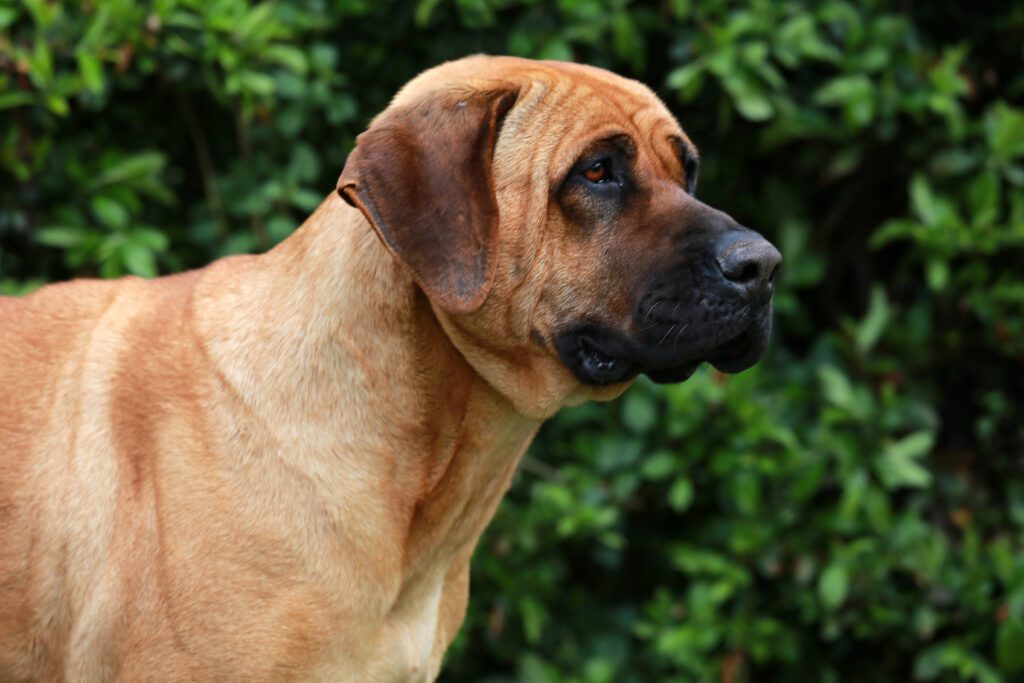

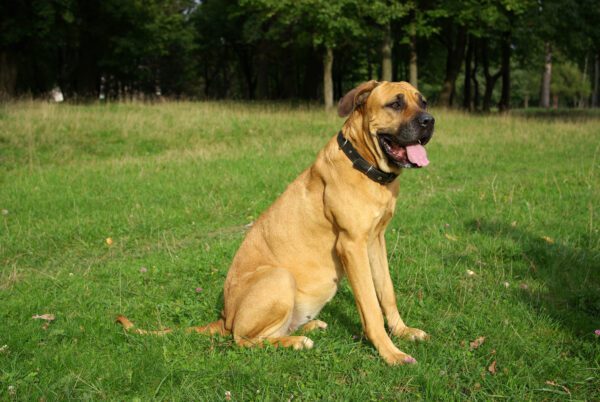
The Tosa Inu is a powerful and dignified companion that bonds deeply with its family. This breed is calm in the home, highly loyal, and thoughtful in new situations. A Tosa Inu thrives with confident leadership, steady routines, and early socialization that teaches good manners around people and other animals. Careful research helps you decide if this large guardian breed fits your lifestyle and home.
Adoption is a compassionate path that gives a deserving dog a second chance. It also provides transparency on temperament and health because many groups evaluate dogs before placement. North Dakota offers wide open spaces, quiet communities, and a practical lifestyle that can suit a Tosa Inu when owners commit to training and structure. Winters are long and cold, so a Tosa Inu benefits from winter gear and limited outdoor time during extreme weather. Summers can be hot, so shade, water, and cool rest areas are important for a large, muscular dog.
Consider your local environment and daily routine in North Dakota. Rural homes may offer room to roam, yet a secure fence and supervised yard time remain essential. Urban areas can work when owners plan calm exposure to sidewalks and public spaces, avoid crowded dog areas, and build rock-solid leash skills. Thoughtful preparation sets you and your dog up for success.
You can skip searching shelters and rescues one by one by starting with Dog Academy. You can browse verified adoption listings in one place, filter by location, and learn from adoption guides and checklists that explain each step. You can also check local animal shelters, regional rescues, and breed-specific rescue groups that serve North Dakota and neighboring states.
The process begins with browsing listings and reading each dog’s profile. Profiles usually describe age, size, behavior notes, and any medical updates. A thorough profile helps you match your experience and home setup to the dog’s needs. When you find a good fit, you submit an application that outlines your schedule, home environment, training approach, and veterinary plan. Many groups request landlord approval if you rent and may ask for personal or veterinary references to confirm responsible care.
After an initial review, most groups schedule a phone interview to discuss your expectations and the dog’s routine. Next comes a meet-and-greet to assess comfort, handling, and leash skills. Many rescues arrange meet-and-greets in neutral spaces to reduce stress. A home check follows as a virtual walkthrough or an in-person visit to confirm safe fencing, secure gates, and a tidy area for feeding and rest. Approval timelines vary by volunteer availability and the number of applicants, yet many decisions arrive within 7 to 14 days once steps are complete.
North Dakota adopters can also consider regional listings. Rescues sometimes arrange transport to move dogs between locations when a strong match is found. Transport is often organized by rescue volunteers or trusted partners who coordinate routes, provide safe crating, and confirm that a veterinary health certificate accompanies the dog for travel.
|
How Much Does It Cost to Adopt a Tosa Inu in North Dakota?Most adopters in North Dakota can expect a Tosa Inu adoption fee in the $200 to $450 range. Fees can rise to $500 to $600 when recent medical care, professional training, or long-distance transport is included. Costs tend to be moderate in North Dakota due to a lower cost of living, though rarity and demand can raise prices for this breed. Adoption fees usually cover spaying or neutering, vaccinations, microchipping, and veterinary exams. Fees may also include deworming, heartworm testing, and a behavior assessment. Age, training, medical history, and regional demand all affect the final amount. Puppies often cost more due to vaccinations and high demand, while seniors can cost less but may include recent dental care or bloodwork. |
How Should I Train a Tosa Inu?The Tosa Inu is intelligent and highly observant, and it responds best to calm guidance and consistent structure. This breed forms strong bonds and reads body language closely, so clear cues and predictable routines build trust. Short sessions with immediate rewards keep a Tosa Inu engaged without overstimulating a sensitive, thoughtful dog. Common challenges include strength on leash, selective attention, and potential reactivity around unfamiliar dogs. Focus on foundation skills like name recognition, loose-leash walking, reliable recalls, and impulse control at thresholds. Use positive reinforcement with food rewards, praise, and play to reinforce calm choices. Add structured socialization with controlled distances, neutral spaces, and gradual exposure to build confidence. Muzzle training, crate training, and a solid place cue help a large guardian settle safely in busy environments. You can build these skills step by step with Dog Academy’s online training courses. Lessons break complex behaviors into simple steps and show you how to generalize skills from your living room to sidewalks, trails, and travel. Clear guidance helps you prevent mistakes and maintain progress over time. |
|
The ideal Tosa Inu adopter is an experienced dog handler who values calm leadership, daily structure, and consistent training. A secure yard, a thoughtful exercise plan, and a low-drama household help this breed relax and bond. Families with older children and adults who understand canine body language often do best with a large guardian breed.
Preparation makes adoption smooth and rewarding. Set a budget for supplies and training, dog-proof your home, and discuss clear rules with everyone in the household. Take time to research, ask questions, and move at a steady pace. With patience and the right match, you can adopt a Tosa Inu in North Dakota and enjoy a loyal companion for years to come.
Introducing a new puppy to your current dog is often an exciting process, and many dogs will become fast friends and eas...
Read More
Rescue dogs can make great companions and can transform your home into something better. These dogs make great pets and ...
Read More
You should never rush to pet a dog. Even dog owners make the mistake of approaching unfamiliar dogs and petting them rig...
Read More
Puppy mill dogs are survivors who have endured extreme hardships in their lives. They have grown up in horrendous, unsan...
Read More
With their wagging tails and comforting presence, adopting a dog can add a unique touch to your life. It’s a heart...
Read More
Older dogs may have a few gray hairs around the edges, but that doesn’t mean they can’t make wonderful companions! T...
Read More