

























































































































































































Introducing a new puppy to your current dog is often an exciting process, and many dogs will become fast friends and eas...
Read MoreAdopt Me

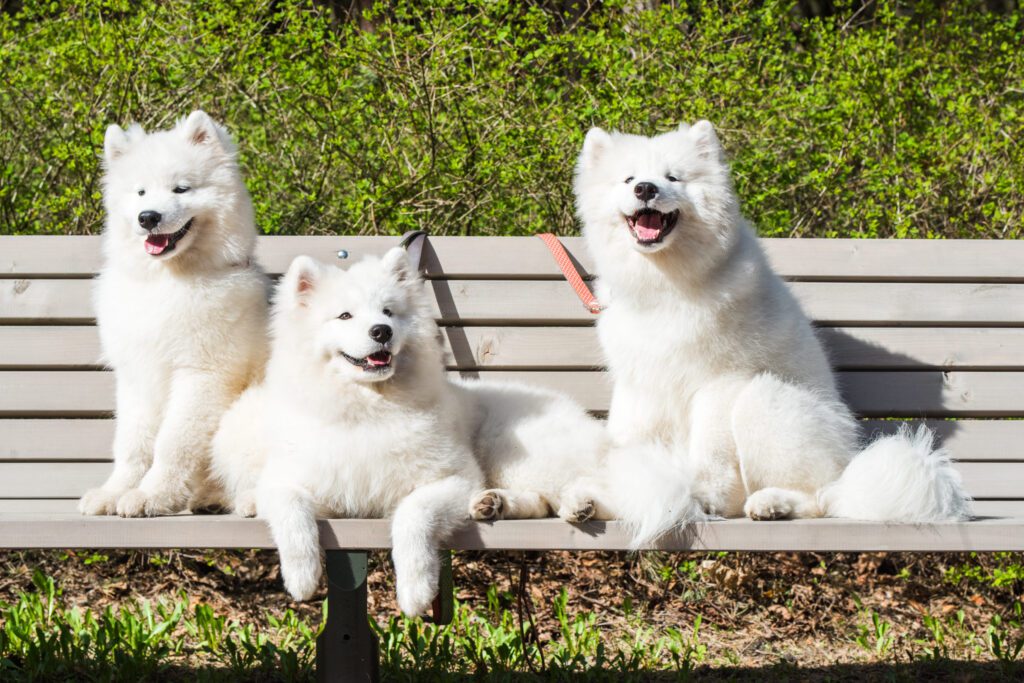
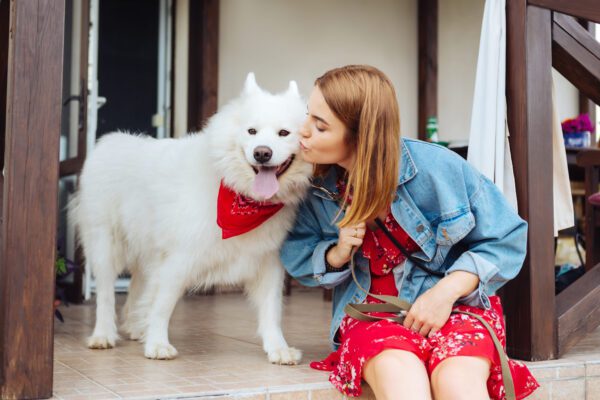
Samoyeds are cheerful, social, and famously smiley dogs that love people and thrive on daily activity. The breed comes from cold climates and carries a dense double coat that protects against wind and snow. A well-bred Samoyed is gentle with families, eager to join outdoor adventures, and happiest when included in everyday life.
Research matters before you adopt a Samoyed in North Dakota because this breed has specific needs. A Samoyed sheds heavily, needs frequent brushing, and benefits from focused training. Adoption gives a deserving dog a second chance while helping you find a companion whose temperament and energy already match your lifestyle. Adoption also often provides a known history and initial veterinary care, which helps you start strong.
North Dakota’s long, cold winters suit Samoyeds very well. The coat handles frigid temperatures and the breed enjoys snow play, skijoring, and long walks in brisk weather. Summer brings heat that requires care. A Samoyed in North Dakota needs shade, cool water, and indoor rest during the hottest part of the day. The state’s open spaces invite exercise, yet secure fencing and leashed outings protect a curious, athletic dog that enjoys roaming.
You can avoid searching shelters and rescues one by one by starting with Dog Academy, where you can browse current adoption listings in one place. Dog Academy also provides educational guides and adoption checklists that help you plan each step with confidence. You can still check local animal shelters, regional rescues, breed-specific rescue groups, and foster-based networks, yet a centralized listing saves time and helps you compare options quickly.
Begin by browsing listings and reading each profile closely. A good profile describes age, size, temperament, activity level, and any known medical needs. When you find a possible match, you submit an application that covers your experience, daily schedule, home setup, and plans for training and exercise. Most groups follow with a phone interview and request vet and personal references. Renters are often asked for landlord approval to confirm pet policies.
After an application review, you schedule a meet-and-greet. The meeting may take place at a shelter, a foster home, or a neutral location. Many groups allow you to bring family members to assess compatibility. Some organizations conduct a home check to confirm safe fencing, secure gates, and a calm space for decompression. Home checks can be in person or virtual, depending on location and staffing.
Approval timelines vary by dog and group. Straightforward local adoptions often take 3 to 14 days after application. Timelines can extend when dogs need additional medical care or when the right foster-to-adopt fit is still being evaluated. If the Samoyed is outside your immediate area, rescues sometimes arrange transport between locations. Transport is often organized by volunteers or professional services that move dogs safely by ground with scheduled handoffs, and adopters may pay a modest transport fee to cover fuel and care during travel.
Throughout the process, make sure you understand Samoyed needs. Ask about grooming tolerance, energy levels, barking, and recall reliability. Discuss any history with children, other dogs, and cats. Clarify what training the dog already has and what support the group offers after adoption. Clear communication helps you set realistic expectations for the first 30 days at home.
|
How Much Does It Cost to Adopt a Samoyed in North Dakota?Most adopters in North Dakota can expect to pay $250 to $500 for an adult Samoyed, with puppies often ranging from $400 to $700 due to higher demand and early veterinary care. Senior Samoyeds sometimes have reduced fees that fall near $150 to $300 to encourage the right match. Fees usually reflect the dog’s age, training, medical care, and local demand for cold-weather breeds. Adoption fees typically include spaying or neutering, vaccinations, microchipping, and veterinary exams. Costs can increase if the dog needed diagnostics, medications, or dental work before placement. Some groups add a reasonable fee to offset transport when moving a dog from another region. Ask for an itemized breakdown so you understand exactly what the fee covers and what care you will need to continue at home. |
How Should I Train a Samoyed?Samoyeds are intelligent and people-focused, yet they can be independent thinkers. The breed learns quickly when training is upbeat and consistent. Positive reinforcement with food rewards, play, and praise builds engagement and makes learning fun. Short sessions that end on success help a Samoyed stay motivated and eager for more. Common challenges include pulling on leash, jumping to greet, and vocalizing when bored. Focus on impulse control, loose-leash walking, polite greetings, and a reliable recall. Teach calm grooming manners so brushing and nail care feel routine. Crate training and structured rest prevent overtired behaviors. If you want guided support, explore Dog Academy’s online training courses, which provide step-by-step lessons for foundation skills, leash manners, and advanced obedience designed for busy families. |
|
The ideal Samoyed adopter enjoys daily activity, consistent training, and regular grooming. A good match has time for 60 to 90 minutes of exercise, a secure yard or thoughtful leash plan, and a budget for quality food and grooming tools. Patience and structure help a Samoyed settle and shine.
Preparation sets you up for success. Gather a crate, brushes suited to a double coat, chew-safe enrichment, and winter-safe walking gear. Take your time, ask detailed questions, and trust the process. When you adopt a Samoyed in North Dakota with care and intention, you welcome a joyful companion who thrives by your side through every season.

Introducing a new puppy to your current dog is often an exciting process, and many dogs will become fast friends and eas...
Read More
Rescue dogs can make great companions and can transform your home into something better. These dogs make great pets and ...
Read More
You should never rush to pet a dog. Even dog owners make the mistake of approaching unfamiliar dogs and petting them rig...
Read More
Puppy mill dogs are survivors who have endured extreme hardships in their lives. They have grown up in horrendous, unsan...
Read More
With their wagging tails and comforting presence, adopting a dog can add a unique touch to your life. It’s a heart...
Read More
Older dogs may have a few gray hairs around the edges, but that doesn’t mean they can’t make wonderful companions! T...
Read More