

























































































































































































Introducing a new puppy to your current dog is often an exciting process, and many dogs will become fast friends and eas...
Read MoreAdopt Me

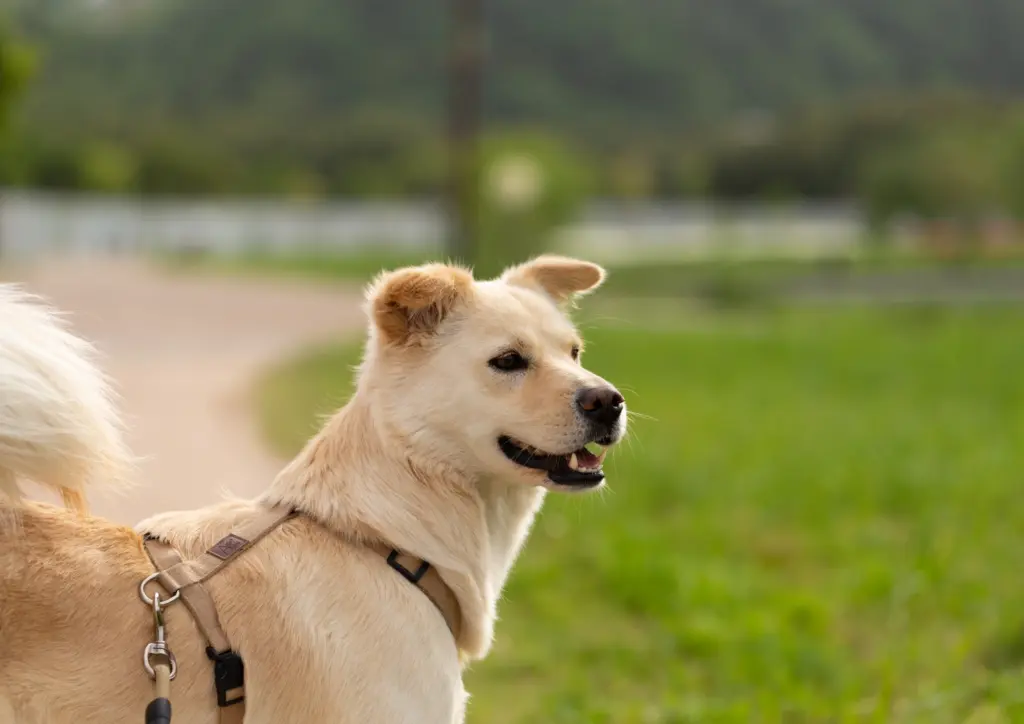
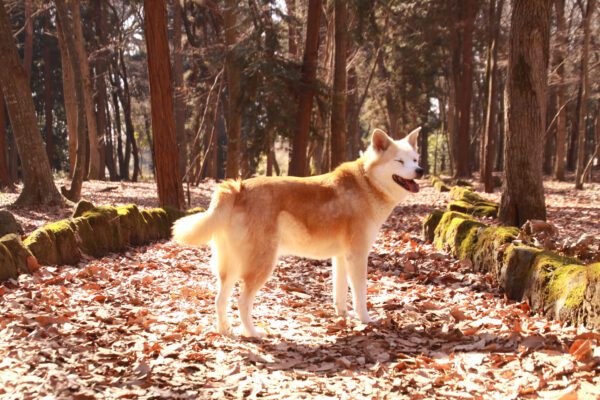
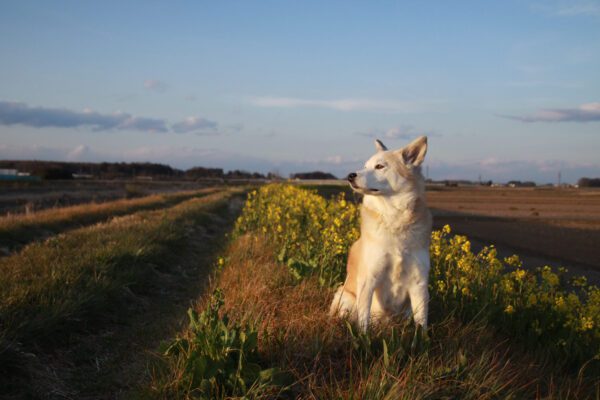
The Korean Jindo is a loyal, clever, and dignified companion with a strong sense of family. This breed tends to bond deeply with trusted people, stay clean, and move with quiet confidence. Jindos are athletic and alert, with a natural hunting instinct and a calm presence in the home when well exercised. Their double coat insulates in cold weather and sheds seasonally, which fits life in a state with long winters and quick weather shifts.
Good preparation leads to a happy match. Research helps you understand independence, prey drive, and social needs so you feel ready for training and daily structure. Adoption gives a deserving dog a second chance and offers a responsible path to ownership. You support humane work, you receive guidance from knowledgeable teams, and you often gain a dog whose basic veterinary care is already completed.
North Dakota offers big skies, brisk winters, and a slower pace in many towns. A Jindo can thrive here with daily mental work and steady activity. The cold suits the coat, yet icy conditions can still limit time outdoors, so plan indoor enrichment on the harshest days. Open spaces feel tempting, but a secure fence is critical due to the breed’s chase instinct and strong recall challenges. Apartment life can also work in larger towns when you commit to structured walks, controlled socialization, and consistent training.
You can avoid searching shelters and rescues one by one by browsing listings through Dog Academy. You can filter for breed, age, and location, then connect to verified groups in a single place. You can also use Dog Academy adoption guides and checklists to prepare your home, plan questions for coordinators, and track each step from application to homecoming.
In North Dakota you may find Jindos through local animal shelters, regional rescues, and breed-specific rescue groups that serve multiple states. Availability changes quickly, so checking listings often helps. Some organizations place dogs in foster homes, which lets you learn about real-world behavior before adoption. If a suitable Jindo is outside your immediate area, rescues sometimes arrange transport to move dogs between states. Transport is typically a scheduled relay or a professional ride that follows health and safety rules, and adopters usually cover part of the cost.
The process starts by browsing listings and submitting an application that covers your experience, daily schedule, fencing plans, and veterinarian information. Many groups check references and request landlord approval for renters. A coordinator may schedule a phone interview to discuss energy needs, training goals, other pets, and children in the home. Next comes a meet-and-greet, either at a facility or through a foster, followed by a home check that can be virtual or in person. Approval timelines vary, yet most adoptions in the region move within 3 to 10 days once the match looks right. Transport, medical holds, or timing around spaying or neutering can extend the timeline to 2 to 3 weeks. Some groups offer a short trial adoption to confirm fit with resident pets and routines.
|
How Much Does It Cost to Adopt a Korean Jindo in North Dakota?In North Dakota, a realistic adoption fee for an adult Korean Jindo usually falls between $250 and $450 through shelters and regional rescues. Puppies, when available, often range from $400 to $650 due to higher demand and preventive care needs. Fees reflect the cost of spaying or neutering, vaccinations, microchipping, and veterinary exams. They can also reflect deworming, heartworm testing, and basic supplies provided at placement. Several factors can raise or lower the fee. Younger dogs and highly socialized dogs often cost more due to demand. Dogs with completed obedience training or recent dental care can also cost more. Seniors or dogs with manageable medical needs may cost less to encourage placement. If transport is required, expect an additional charge that covers safe travel coordination, which is billed separately by the placing group. |
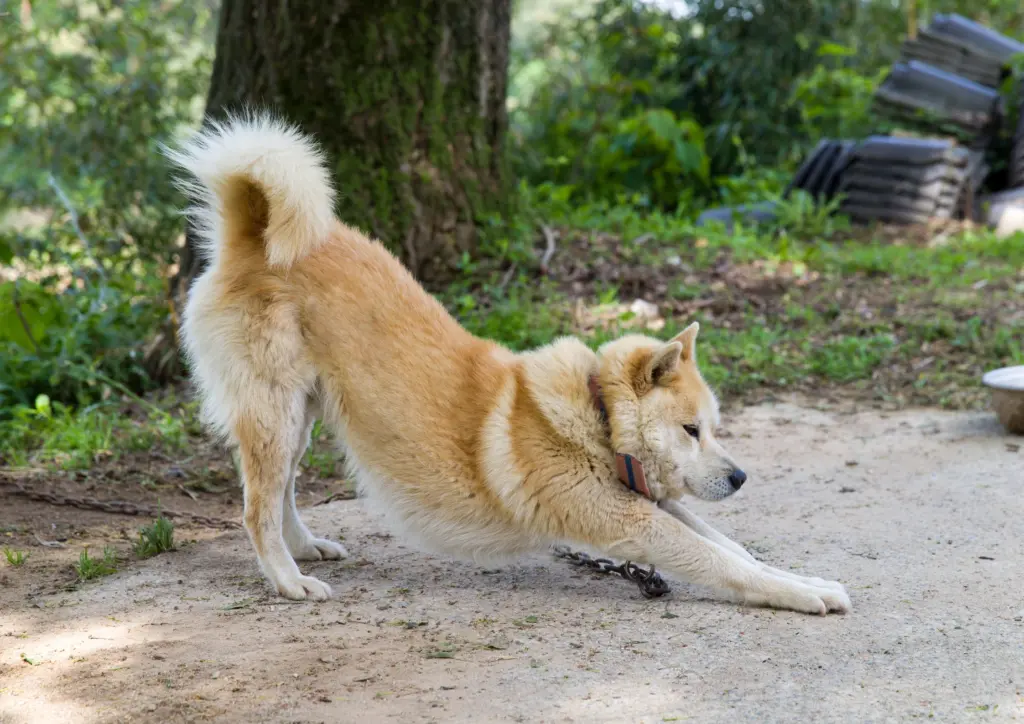
How Should I Train a Korean Jindo?The Korean Jindo is intelligent and thoughtful, yet often independent. Many Jindos learn quickly when training feels purposeful. They prefer short, focused sessions that mix food rewards, praise, and play. Positive reinforcement builds trust and motivates a breed that dislikes heavy pressure. Clear structure, calm handling, and consistent rules help the dog understand expectations. Common challenges include a strong prey drive, selective recall, and guarded behavior with unfamiliar dogs. Start early with leash manners, impulse control, reliable settling on a mat, and handling for grooming. Socialize with neutral, steady dogs and controlled environments. Use long lines and fenced areas for recall practice so you protect safety while you build engagement. Crate training supports calm downtime, travel, and veterinary visits. For step-by-step lessons tailored to real life, explore Dog Academy’s online training courses, which cover foundation skills, confidence building, and behavior management for independent breeds. |
|
The ideal match is an owner who enjoys daily walks, brain games, and steady routines. A secure yard, thoughtful introductions, and a commitment to training make life smoother. Families who respect a dog’s space, supervise interactions, and guide polite behavior see the best of this loyal breed.
Take time to research, prepare your home, and review listings carefully. A measured approach helps you adopt a Korean Jindo in North Dakota with confidence and care. When you are ready, use Dog Academy tools to find your match, understand the process, and welcome the right companion for the long term.

Introducing a new puppy to your current dog is often an exciting process, and many dogs will become fast friends and eas...
Read More
Rescue dogs can make great companions and can transform your home into something better. These dogs make great pets and ...
Read More
You should never rush to pet a dog. Even dog owners make the mistake of approaching unfamiliar dogs and petting them rig...
Read More
Puppy mill dogs are survivors who have endured extreme hardships in their lives. They have grown up in horrendous, unsan...
Read More
With their wagging tails and comforting presence, adopting a dog can add a unique touch to your life. It’s a heart...
Read More
Older dogs may have a few gray hairs around the edges, but that doesn’t mean they can’t make wonderful companions! T...
Read More