










Introducing a new puppy to your current dog is often an exciting process, and many dogs will become fast friends and eas...
Read MoreAdopt Me

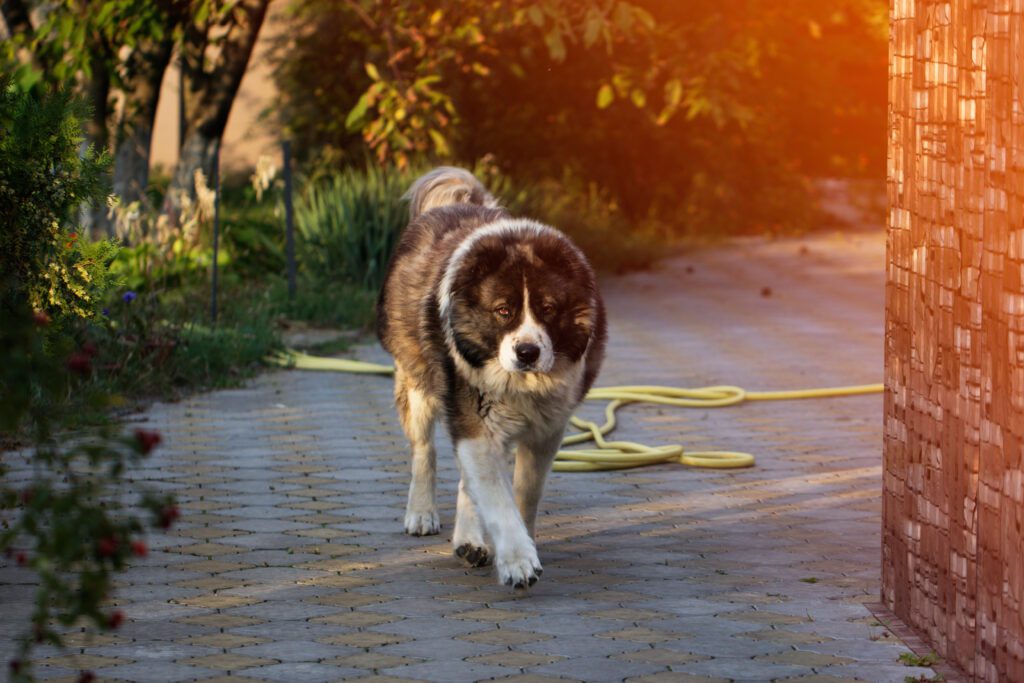


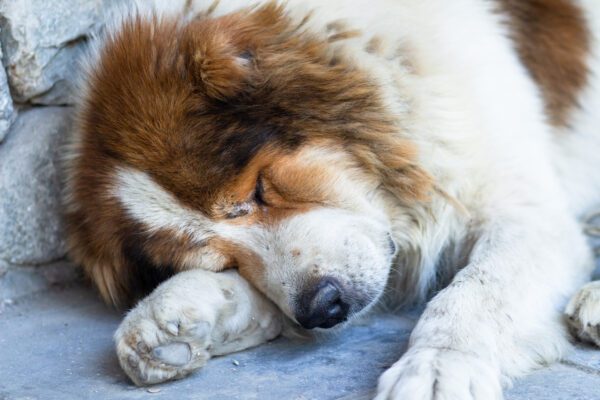
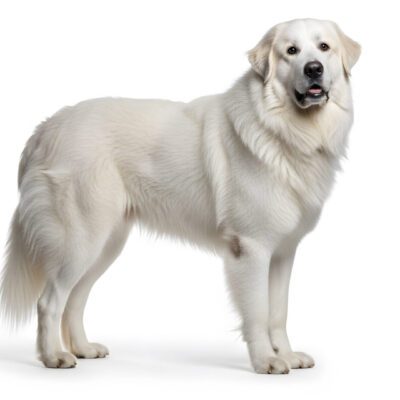
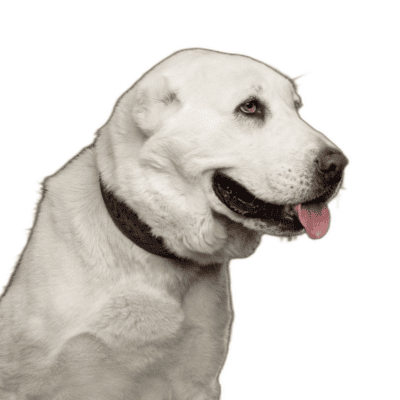
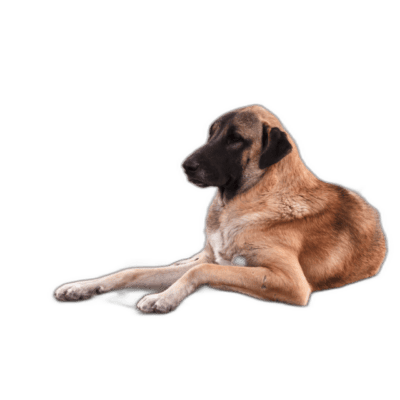
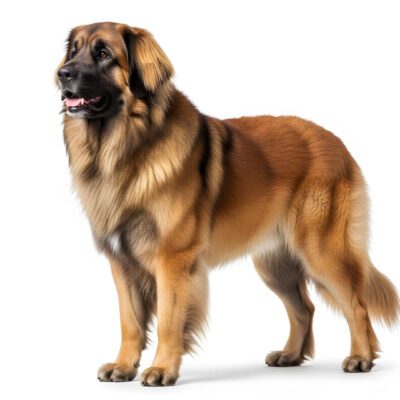
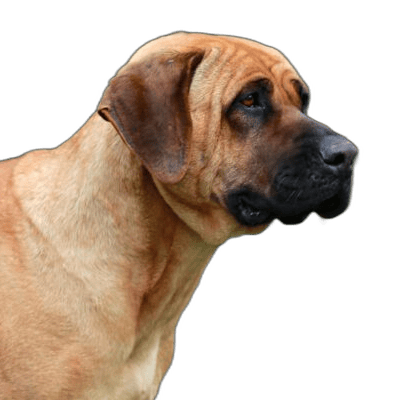
The Caucasian Shepherd is a powerful livestock guardian known for devotion, confidence, and calm watchfulness. The breed bonds deeply with family and stays wary of unfamiliar people and animals. The breed’s thick double coat and steady temperament make the Caucasian Shepherd a compelling choice for experienced owners who want a loyal protector.
Thorough research matters before you adopt a Caucasian Shepherd in North Dakota. The breed matures slowly, reaches very large size, and carries strong territorial instincts. Responsible ownership requires time for training, socialization, and management. Adoption gives a deserving dog a second chance and often provides transparency about history, health, and temperament.
North Dakota’s climate and geography can suit this breed well. Long, cold winters match the Caucasian Shepherd’s dense coat and cold tolerance. Open prairies and rural properties offer space for exercise, though secure fencing is essential. Summer heat requires shade, cool water, and limited midday activity. Busy urban living can challenge this guardian breed due to size, alertness, and vigilance toward strangers.
You can avoid searching shelters and rescues one by one by using Dog Academy’s adoption listings. The listings gather adoptable dogs from local animal shelters, regional rescues, and breed-focused groups in one place, which saves time and improves your match. You can also use Dog Academy’s step-by-step guides and adoption checklists to prepare your home and your family. Start by browsing available dogs through Dog Academy and set alerts for new arrivals that match your goals.
Adoptable Caucasian Shepherds in North Dakota may appear through local animal shelters, regional rescues, and foster-based groups. Breed-specific rescue groups sometimes list dogs that are in neighboring states. Many organizations share detailed notes on behavior, health, and ideal home setups. Reading each profile carefully helps you understand energy level, social needs, and handling requirements for a successful transition.
The process usually starts with browsing listings and submitting a detailed application. Applications often ask about fencing, experience with large guardian breeds, daily schedule, and veterinary references. After a review, many organizations schedule a phone interview and a meet-and-greet with all household members and resident pets. A home check may be in person or virtual to confirm secure fencing, safe containment, and suitable space. Final approval timelines vary, though many complete approvals within 1 to 3 weeks after a complete application, prompt communication, and successful meetings.
If the right dog is located outside your city, transport is often arranged by rescues to move dogs between locations. Transport can involve volunteer drivers or professional carriers after adoption approval and required health clearances. Coordinating transport can add time to the process, but it expands your options and can help you find the best fit for your home.
|
How Much Does It Cost to Adopt a Caucasian Shepherd in North Dakota?Most adopters can expect to pay $250 to $550 to adopt a Caucasian Shepherd in North Dakota. Fees tend to sit in the middle of that range for healthy adults and trend higher for puppies or for dogs that have completed extensive training. Costs vary with age, training, medical care, and regional demand for the breed. Adoption fees often include spaying or neutering, vaccinations, microchipping, and veterinary exams. Some organizations also include deworming, heartworm testing, or behavioral assessments for large guardian breeds. When fees appear higher, the increase usually reflects recent surgery, complex medical treatment, or professional training that improves safety and adoptability. |
How Should I Train a Caucasian Shepherd?The Caucasian Shepherd is intelligent, independent, and sensitive to clear leadership. The breed learns quickly when training stays calm, consistent, and purposeful. Positive reinforcement builds trust and encourages the dog to offer desired behaviors. Harsh corrections can create conflict and reduce reliability, especially with a guardian-minded dog. Early socialization is essential and should focus on neutral exposure to people, dogs, livestock, and novel environments. Foundation skills like leash manners, loose-lead walking, recall, and place training help you manage a large dog safely. Boundary training, impulse control, and reliable door manners help prevent roaming and reduce risk. Many owners also teach muzzle conditioning to ensure low-stress veterinary care and safe management during emergencies. Structured practice makes progress with a breed that prefers independent decision-making. Short sessions, high-value rewards, and clear criteria keep training focused. You can follow expert step-by-step lessons using Dog Academy’s online training courses, which cover obedience, impulse control, socialization, and real-life handling skills tailored to large-breed guardians. |
|
The ideal owner for a Caucasian Shepherd in North Dakota has experience with large breeds, a securely fenced yard, and time every day for training, mental enrichment, and exercise. The best homes value calm structure, clear boundaries, and patient socialization. Families that enjoy quiet routines and that want a vigilant protector often thrive with this breed.
Preparation leads to a smooth adoption. Take time to research, gather supplies, and align expectations with everyone in the household. When you are ready, use Dog Academy to find your match, review guidance on setup and training, and move forward at a pace that helps your new dog settle with confidence.
Introducing a new puppy to your current dog is often an exciting process, and many dogs will become fast friends and eas...
Read More
Rescue dogs can make great companions and can transform your home into something better. These dogs make great pets and ...
Read More
You should never rush to pet a dog. Even dog owners make the mistake of approaching unfamiliar dogs and petting them rig...
Read More
Puppy mill dogs are survivors who have endured extreme hardships in their lives. They have grown up in horrendous, unsan...
Read More
With their wagging tails and comforting presence, adopting a dog can add a unique touch to your life. It’s a heart...
Read More
Older dogs may have a few gray hairs around the edges, but that doesn’t mean they can’t make wonderful companions! T...
Read More