

























































































































































































Introducing a new puppy to your current dog is often an exciting process, and many dogs will become fast friends and eas...
Read MoreAdopt Me

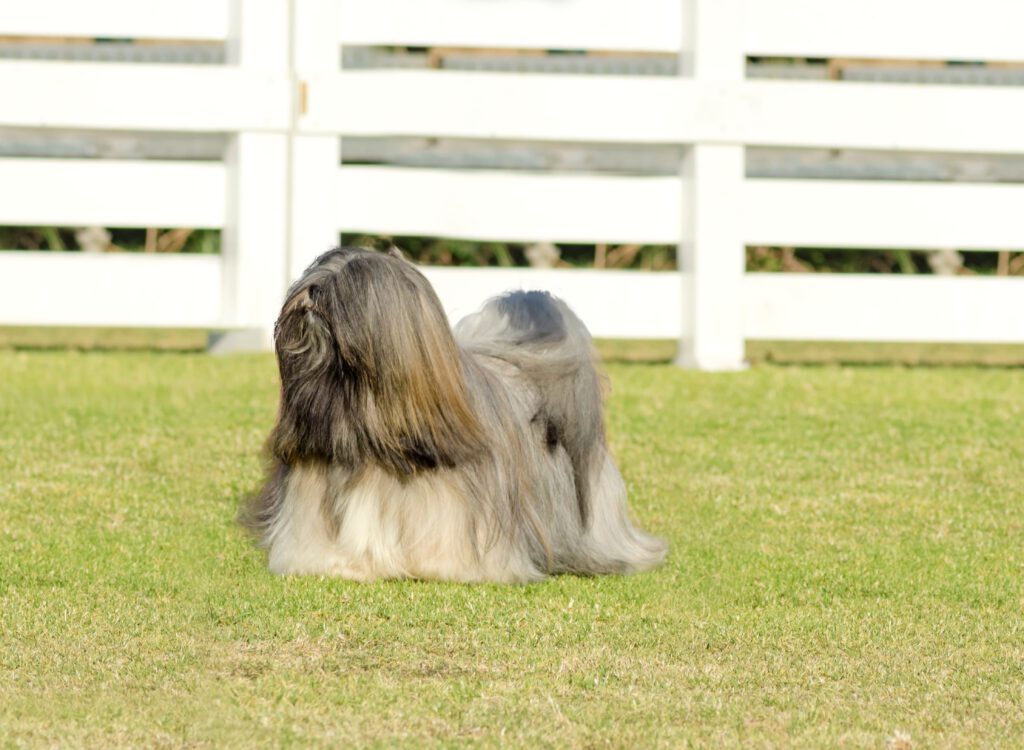

The Lhasa Apso is a small companion dog with a big personality. This breed is loyal, confident, and watchful. Many families love the Lhasa Apso because the dog bonds closely with people, enjoys moderate activity, and fits well in apartments and houses. The long coat is beautiful and requires steady grooming, which suits adopters who enjoy a calm routine with daily brushing and regular trims.
Research matters before any adoption. A thoughtful adopter understands grooming needs, exercise requirements, training priorities, and the breed’s independent streak. Adoption is often preferable to buying because it supports local shelters and rescues, gives a dog a second chance, and often includes key veterinary care that helps the dog start strong in a new home.
North Dakota’s wide-open spaces and long winters shape daily life for a Lhasa Apso. The breed manages cold weather with a proper coat and short, frequent walks, but long outdoor sessions are not ideal in extreme wind or ice. Urban areas offer sidewalks and indoor activities that suit this small companion. Rural areas provide quiet routines that many Lhasa Apsos enjoy, although winter driving and distance can affect vet visits and grooming schedules. With planning, this adaptable breed thrives across the state.
You can avoid searching shelters and rescues one by one by using Dog Academy. The adoption listings gather available dogs in one place and make browsing simple. Dog Academy also offers educational guides and adoption checklists that help you prepare your home, compare profiles, and choose a good match with confidence.
In North Dakota you can find adoptable Lhasa Apsos through local animal shelters, regional rescues, breed-specific rescue groups, and foster-based networks. Start by browsing listings and reading each profile closely. Look for age, temperament, grooming needs, medical notes, and any training history. Reach out with questions about energy level, behavior with children, and comfort with other animals so that you understand daily life with the dog.
Most organizations ask you to submit an application that describes your household, schedule, experience with dogs, and veterinary history. After an application review, many groups arrange a meet-and-greet at a shelter location or a foster home. Some organizations schedule a home check to confirm safety, fencing, and space for rest. Home checks may be virtual when distance or weather makes travel difficult. Approval timelines vary by group, but many adoptions move from application to decision in 1 to 3 weeks depending on reference checks and staff availability.
If your perfect match is outside your city, ask about transport. Transport is often arranged by rescues to move dogs between locations when a good adopter is far away. The group may use volunteer drivers or licensed transporters, and the adopter may pay a small transport fee. Dogs moving across state lines usually travel with a health certificate from a veterinarian to confirm fitness for the trip.
As you move through the process, keep the Lhasa Apso’s unique needs in focus. Plan for consistent grooming, early socialization to reduce excessive barking, and calm introductions in new environments. A clear plan for daily walks and indoor enrichment supports this watchful companion and sets the stage for a smooth transition home.

|
How Much Does It Cost to Adopt a Lhasa Apso in North Dakota?Most adopters in North Dakota can expect adoption fees for a Lhasa Apso to range from $150 to $400. Municipal shelters often set fees near the lower end of that range, while breed-focused rescues that provide expanded veterinary care may be closer to the higher end. Fees reflect age, training, medical care, and local demand. Puppies and young adults usually cost more than seniors, and dogs that arrive already crate trained or house trained may have higher fees due to higher demand. Adoption fees typically cover spaying or neutering, vaccinations, microchipping, and veterinary exams. Some groups also include deworming or a dental cleaning when needed. These services reduce early out-of-pocket costs and give your dog a healthy start in North Dakota. |
How Should I Train a Lhasa Apso?The Lhasa Apso is intelligent and observant. The breed learns quickly when training sessions are short, upbeat, and consistent. Many Lhasa Apsos have an independent streak, so they respond best to positive reinforcement with gentle guidance and clear boundaries. Harsh corrections can create stress and resistance, while rewards build trust and motivation. Focus on house training, crate training, polite leash walking, and calm greetings. Teach a solid quiet cue to manage watchdog barking, and build handling skills for brushing, nail trims, and ear care. Early socialization helps the dog stay confident with visitors and new places. For step-by-step lessons that fit busy schedules, explore Dog Academy’s online training courses, which offer practical guidance for beginners and seasoned owners. |

|
The ideal adopter for a Lhasa Apso is patient, consistent, and ready to commit to grooming and gentle training. This breed suits apartments and houses, city streets and quiet country roads, as long as daily walks, indoor enrichment, and warm winter gear are part of the plan.
Take time to learn, prepare your home, and choose a dog whose needs match your lifestyle. When you adopt thoughtfully and train kindly, your Lhasa Apso will reward you with loyal companionship through every North Dakota season.

Introducing a new puppy to your current dog is often an exciting process, and many dogs will become fast friends and eas...
Read More
Rescue dogs can make great companions and can transform your home into something better. These dogs make great pets and ...
Read More
You should never rush to pet a dog. Even dog owners make the mistake of approaching unfamiliar dogs and petting them rig...
Read More
Puppy mill dogs are survivors who have endured extreme hardships in their lives. They have grown up in horrendous, unsan...
Read More
With their wagging tails and comforting presence, adopting a dog can add a unique touch to your life. It’s a heart...
Read More
Older dogs may have a few gray hairs around the edges, but that doesn’t mean they can’t make wonderful companions! T...
Read More