



























































































































































































Introducing a new puppy to your current dog is often an exciting process, and many dogs will become fast friends and eas...
Read MoreAdopt Me

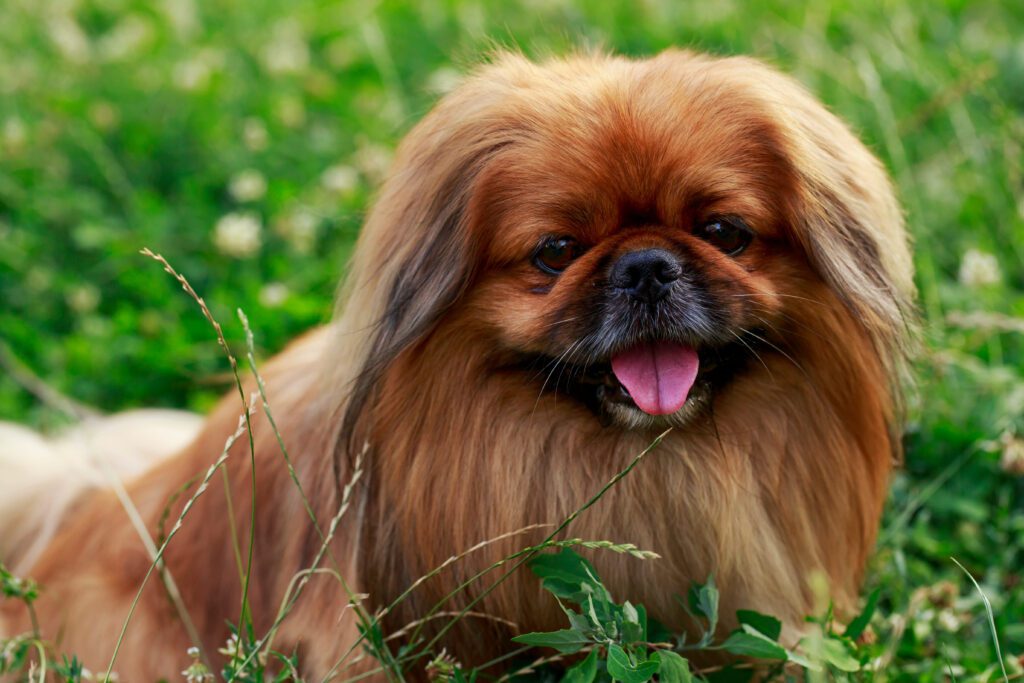
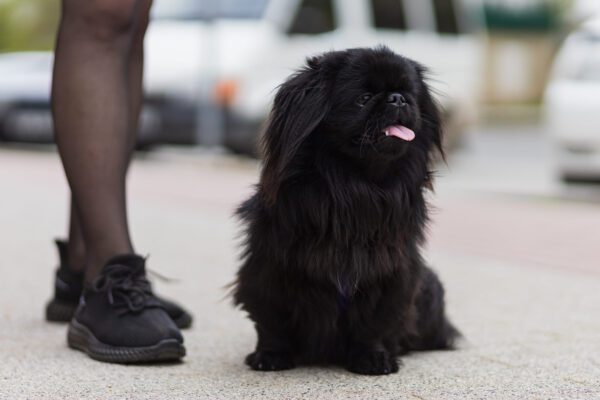
The Pekingese is a devoted companion with a dignified presence and an affectionate heart. This toy breed forms deep bonds with its people and enjoys quiet time on the couch as much as short strolls. A Pekingese stays alert and confident yet often prefers a calm, predictable routine. The breed suits adopters who want a small dog with personality, charm, and steady loyalty.
Research matters before you adopt a Pekingese in Maine because this breed has specific grooming, health, and lifestyle needs. A full coat benefits from frequent brushing, and the face needs daily cleaning to keep skin folds healthy. The short muzzle means the dog overheats easily and needs careful activity management. Training requires patience and rewards because the breed is intelligent yet independent. Adoption supports responsible care and gives a dog a second chance while often providing valuable background from fosters or shelter staff.
Maine’s climate and geography add practical considerations. Winters are long and cold with snow and ice, so a Pekingese needs a warm jacket, paw protection, and short outdoor trips. Summers can feel humid along the coast and inland, so the breed needs shade, water, and indoor cooling. The Pekingese thrives in apartments and small homes across coastal towns or rural communities as long as exercise stays moderate and supervision remains consistent around wildlife and busy sidewalks.
You can skip searching for shelters and rescues one by one by browsing adoptable dogs through Dog Academy. You can filter by breed and location to see Pekingese available near you or within a reasonable travel distance. Dog Academy also provides educational guides and adoption checklists to help you compare options, prepare your home, and plan your first week with your new companion.
Adoptable Pekingese in Maine may appear through local animal shelters, regional rescues, breed-specific rescue groups, and foster-based networks. Some organizations post across neighboring states when a dog would do well in a wider pool of applicants. When the right match is found, rescues sometimes arrange transport to move dogs between locations, which typically involves volunteer drivers or trusted carriers and clear communication about pickup points and schedules.
The process usually starts with browsing listings and submitting an application. An application often asks about your schedule, experience with small or brachycephalic breeds, current pets, and your plan for grooming and veterinary care. Many groups verify landlord approval and call personal or veterinary references. Timelines vary, but approval often takes 3 to 14 days once references are reached and the dog’s needs align with your home.
Next comes a meet-and-greet to confirm fit with all household members, including gentle interactions with children and resident pets. Some groups conduct a home check to ensure safe stairs, secure doors, and a plan for temperature control during hot or cold spells. Final steps include signing an adoption contract, paying the fee, and arranging pickup. If transport is involved, the organization explains the route, confirms dates, and provides any records needed for safe travel.
|
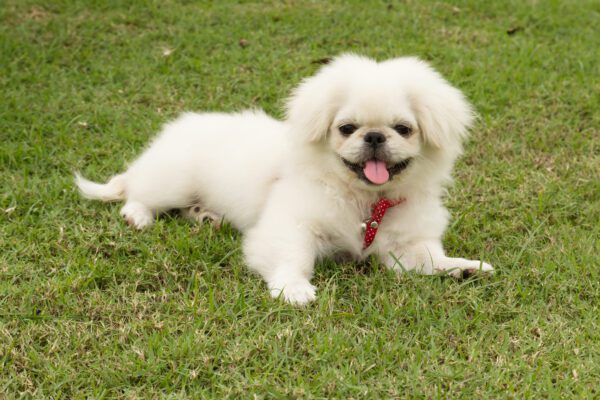
How Much Does It Cost to Adopt a Pekingese in Maine?Expect most adoption fees for a Pekingese in Maine to land between $300 and $550. This range reflects the breed’s rarity in the region, higher veterinary costs in the Northeast, and the level of care provided before placement. Puppies are less common and can cost more, sometimes $600 to $700 when organizations invest in extra preventive care and early training support. Senior dogs or dogs with ongoing needs may have reduced fees, often $150 to $300, to encourage thoughtful adopters. Fees usually cover spaying or neutering, vaccinations, microchipping, and veterinary exams. Costs can also reflect dental cleanings, heartworm testing, fecal testing, grooming for heavily matted coats, and recovery from minor procedures. Age, training, medical care, and demand all influence the final fee, and organizations will explain what is included so you understand the value of the care provided. |
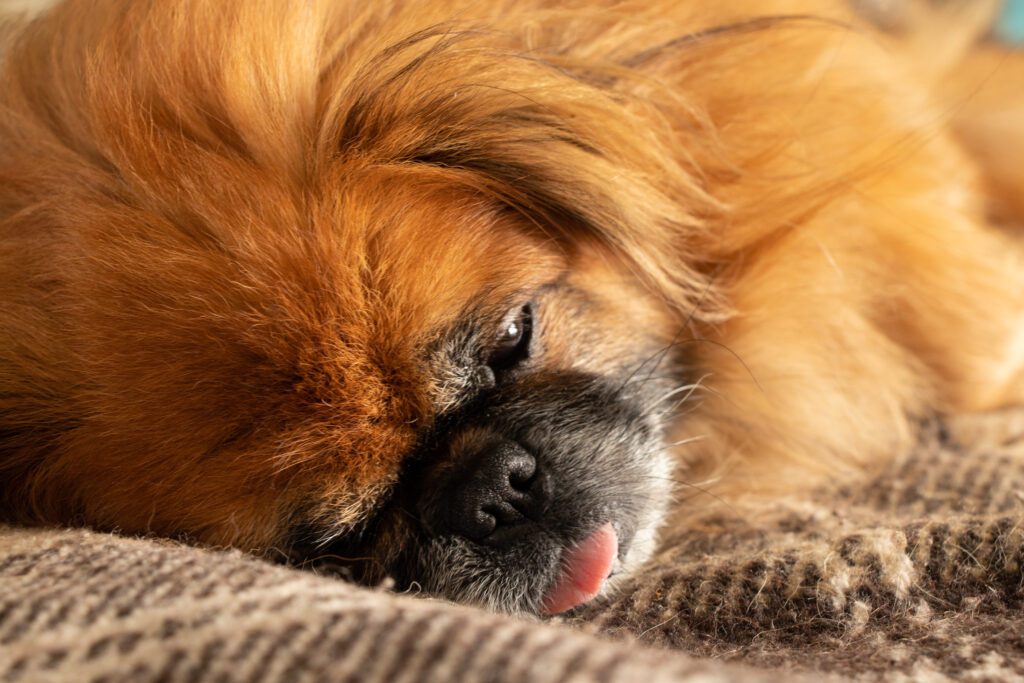
How Should I Train a Pekingese?The Pekingese is bright and observant but can be independent, which means training works best when it is short, upbeat, and consistent. Use positive reinforcement with tiny treats, gentle praise, and clear timing. Keep sessions to 3 to 5 minutes and finish with a quick success to build confidence. Avoid harsh methods because this breed is sensitive and may shut down if training feels stressful. Focus on house training, polite greetings, and calm leash skills. Teach quiet on cue to manage alert barking and add a solid place cue for doorways and deliveries. Start handling exercises early for brushing, face cleaning, and nail care so grooming feels routine. Because the Pekingese has a short muzzle and a heavy coat, build stamina carefully and practice walking with a comfortable harness. For step-by-step lessons that fit small breeds, explore Dog Academy’s online training courses for foundation behaviors, manners, and enrichment tailored to family life. |
|
The ideal adopter enjoys a calm lifestyle, maintains a steady routine, and has time for daily grooming and gentle training. A Pekingese fits well in apartments or houses when outdoor time stays moderate and weather safety remains a priority. Preparation makes the difference, so gather supplies, set clear house rules, and plan vet care before you bring your dog home.
Take your time, ask detailed questions, and choose the match that fits your home today and for years to come. With careful research and the right resources, you can adopt a Pekingese in Maine and welcome a loyal companion who thrives by your side.

Introducing a new puppy to your current dog is often an exciting process, and many dogs will become fast friends and eas...
Read More
Rescue dogs can make great companions and can transform your home into something better. These dogs make great pets and ...
Read More
You should never rush to pet a dog. Even dog owners make the mistake of approaching unfamiliar dogs and petting them rig...
Read More
Puppy mill dogs are survivors who have endured extreme hardships in their lives. They have grown up in horrendous, unsan...
Read More
With their wagging tails and comforting presence, adopting a dog can add a unique touch to your life. It’s a heart...
Read More
Older dogs may have a few gray hairs around the edges, but that doesn’t mean they can’t make wonderful companions! T...
Read More