

























































































































































































Introducing a new puppy to your current dog is often an exciting process, and many dogs will become fast friends and eas...
Read MoreAdopt Me

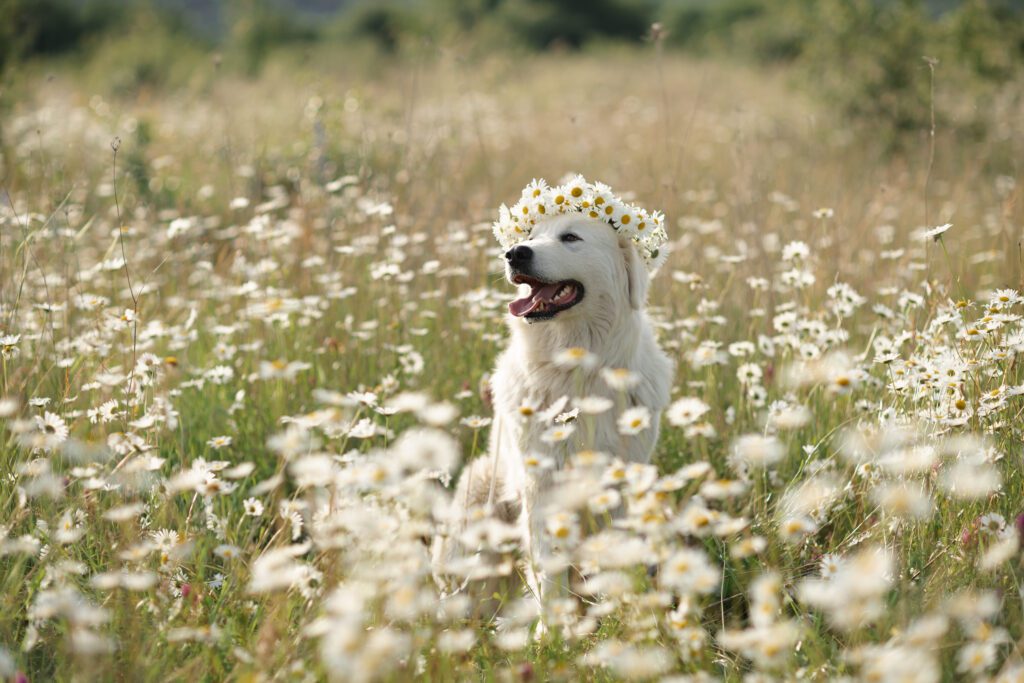
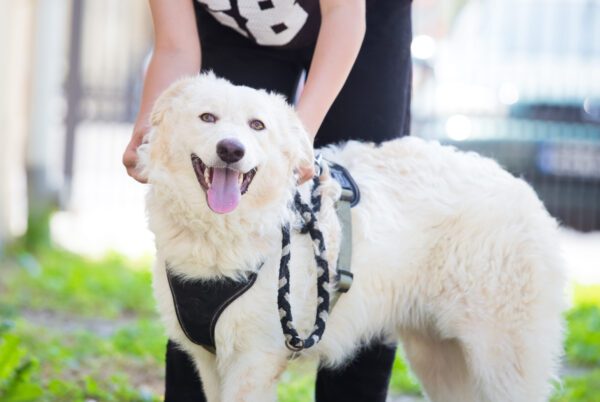
The Maremma Sheepdog is a devoted livestock guardian that blends calm confidence with vigilant watchfulness. This breed bonds closely with family, shows natural independence, and protects territory with steady resolve. A thick double coat and sturdy build help the Maremma stay comfortable in cold climates, while a thoughtful, patient nature rewards owners who provide structure and purpose.
Adoption works best when you research first. Understanding guardian instincts, exercise needs, and daily management prevents mismatches and stress. Adopting instead of buying gives a dog a second chance, supports animal welfare in your community, and often includes important veterinary care that sets your new companion up for success.
Maine suits the Maremma Sheepdog in many ways. Long winters, heavy snow, and coastal winds match the breed’s weatherproof coat. Rural properties and small farms create room for safe patrolling and purposeful work. Dense forests and quiet roads can also present challenges, since a Maremma may wander to investigate sounds or wildlife. Secure fencing, consistent routines, and mindful management keep the dog safe. City and suburban adopters can succeed when they plan for training, enrichment, and considerate barking management, especially during evening hours when a guardian breed tends to be most alert.
You can avoid searching for rescues and shelters separately by browsing the adoption listings at Dog Academy. The listings bring together available dogs and clear next steps, which saves time and helps you compare options. You will also find educational guides and adoption checklists that help you prepare your home, your family, and your schedule.
Adoptable Maremma Sheepdogs in Maine appear through local animal shelters, regional rescues, and breed-specific rescue groups that serve the Northeast. These organizations list adults most often, though puppies and mixes appear at times. Rural owner surrenders can occur when a working placement changes, and those dogs may be rehomed through a shelter or rescue that verifies temperament and health.
The process usually starts by browsing listings and submitting an application. Applications ask about your experience with guardian breeds, your daily routine, your fencing, and your home setting. Many groups request personal references, veterinary references, and landlord approval when you rent. Meet-and-greets may happen at the shelter, in a public space, or at your home. Home checks confirm secure fencing, safe livestock facilities when relevant, and a quiet area where the dog can decompress. Approval timelines vary from a few days to 2 weeks based on scheduling, background checks, and the dog’s medical readiness.
Some rescues arrange transport to move dogs between locations when a better match is found in Maine. Transport is coordinated by staff and volunteers who schedule health certificates, choose safe routes, and communicate pickup plans. Dogs usually travel by ground and meet adopters at a designated stop or arrive at the home for an added fee. Clear communication and flexible timing help this step run smoothly.
|
How Much Does It Cost to Adopt a Maremma Sheepdog in Maine?Most adopters in Maine can expect to pay about $300 to $550 for an adult Maremma Sheepdog. Puppies, when available, often range from $500 to $700 due to higher demand and additional early care. Fees reflect common services such as spaying or neutering, vaccinations, microchipping, and veterinary exams. Costs vary with age, training history, medical needs, and how long the dog has been in care. Fees can also change when transport and health certificates are included. Plan for initial supplies and setup that suit a guardian breed. Budget for quality food, a secure crate, sturdy leashes, identification tags, and fencing upgrades where needed. A first wellness visit with your veterinarian, along with continued training, adds predictable but worthwhile costs that keep your Maremma healthy and well mannered. |
How Should I Train a Maremma Sheepdog?The Maremma is intelligent, thoughtful, and independent. This dog was bred to make sound decisions without constant human direction, which means training works best when it is calm, consistent, and clear. Positive reinforcement builds trust and focus. Reward quiet attention, reinforce desired behaviors early, and use short, purposeful sessions that end on success. Start with foundation skills that support safety and manners. Prioritize recall, boundary training, loose-leash walking, a strong settle or place cue, and a quiet cue that redirects alert barking. Socialize with people, friendly dogs, and livestock in structured ways so the dog learns what to guard and when to relax. Provide daily mental work through scent games, controlled patrol time in a fenced yard, and problem-solving tasks. Use secure fencing that stands at least 5 to 6 feet, a long line for practice outdoors, and an exercise pen or crate for rest and decompression. For step-by-step guidance tailored to guardian breeds, explore Dog Academy’s online training courses. Lessons cover engagement, impulse control, reliable recall, and real-world manners that help a Maremma succeed in Maine’s towns, coastal communities, and working farms. |
|
The ideal adopter provides space, structure, and patient guidance. A rural or semi-rural home with secure fencing suits this breed, and a focused routine helps in suburban settings. Families who value consistency, calm leadership, and thoughtful enrichment see the best results with a Maremma Sheepdog.
Take the time to research, prepare your home, and choose a dog whose energy and history match your lifestyle. When you move at a thoughtful pace and use trusted resources, you set your new companion up for a confident start and a lifelong bond in Maine.

Introducing a new puppy to your current dog is often an exciting process, and many dogs will become fast friends and eas...
Read More
Rescue dogs can make great companions and can transform your home into something better. These dogs make great pets and ...
Read More
You should never rush to pet a dog. Even dog owners make the mistake of approaching unfamiliar dogs and petting them rig...
Read More
Puppy mill dogs are survivors who have endured extreme hardships in their lives. They have grown up in horrendous, unsan...
Read More
With their wagging tails and comforting presence, adopting a dog can add a unique touch to your life. It’s a heart...
Read More
Older dogs may have a few gray hairs around the edges, but that doesn’t mean they can’t make wonderful companions! T...
Read More