



























































































































































































Introducing a new puppy to your current dog is often an exciting process, and many dogs will become fast friends and eas...
Read MoreAdopt Me


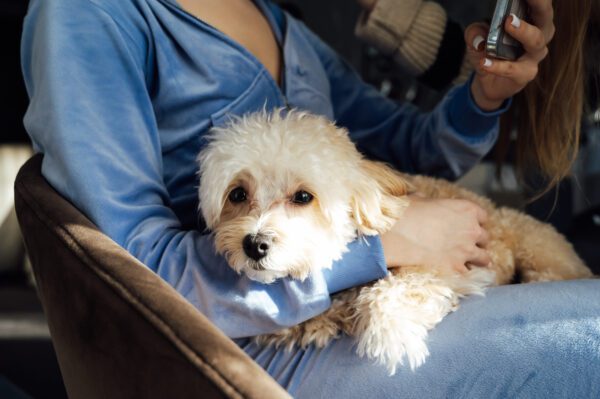
Maltipoos are cheerful, affectionate, and eager to please. This small companion mix blends Poodle intelligence with Maltese charm, which creates a friendly and low-shedding dog that fits many households. Most Maltipoos enjoy cuddle time as much as playful walks, and they thrive when they spend time near their people.
Thoughtful research sets every adoption up for success. Learn about grooming needs, exercise requirements, and common behavior quirks before you bring a dog home. Adoption gives a dog a second chance and supports humane work in your community. Many Maltipoos and Maltipoo mixes enter rescue due to life changes such as moves or allergies, which means you can often find a well-mannered companion waiting for a home.
Connecticut offers four true seasons and a lifestyle that suits a Maltipoo that lives mostly indoors. Winters can be cold and snowy, so short outdoor breaks, a warm coat, and careful paw care help a small dog stay comfortable. Summers can be warm and humid along the coast, so shade, water, and early walks prevent overheating. The state’s mix of shoreline towns, suburbs, and wooded trails provides varied outings, while apartments and condos in cities can work well for a Maltipoo that gets daily walks and indoor play.
You can skip searching shelters and rescues one by one by using Dog Academy. Dog Academy lists adoptable dogs from local animal shelters, regional rescues, and breed-specific rescue groups in one place, which saves time and helps you compare options. Dog Academy also offers clear educational guides and adoption checklists that help you prepare your home and plan your first weeks together.
Start by browsing adoptable Maltipoos and small poodle mixes through centralized listings and through local animal shelters, regional rescues, and breed-specific rescue groups. Many profiles include age, size, temperament notes, and medical history. Some rescues list dogs located in nearby states. When distance creates a barrier, rescues sometimes arrange transport between locations, which means a coordinated network moves dogs safely using volunteer drivers or licensed carriers, and adopters meet at scheduled pickup points after approval.
After you find a good match, submit an application. Applications usually ask about your household, schedule, training plan, and experience with dogs. Many groups request personal references, veterinary references, and proof of residence. Renters often provide landlord permission. Response times vary by season and volume, but approvals in Connecticut often take 1 to 3 weeks. Clear communication, complete documents, and quick replies help the process move faster.
Next comes a meet-and-greet and a home check. Meet-and-greets take place at a shelter, a foster home, or a public space, and families typically bring all household members and any resident dogs. Home checks can be virtual or in person. A home check confirms safety basics such as secure doors, safe storage for cleaning supplies, picked-up cords, and a calm area for rest. Once approved, you sign the contract, pay the adoption fee, schedule pickup, and review medical records and microchip details. You then gather supplies such as a crate, a properly fitted harness, and high-quality food to make the first night smooth.

|
How Much Does It Cost to Adopt a Maltipoo in Connecticut?In Connecticut, a realistic adoption fee for a Maltipoo or Maltipoo mix typically ranges from $350 to $650. Fees trend higher for puppies and high-demand small breeds, and fees can reflect regional veterinary costs in the Northeast. Age, training, recent medical care, and the length of time in foster care also affect price. Most adoption fees include spaying or neutering, vaccinations, microchipping, and veterinary exams. Many organizations also provide deworming, a heartworm test, and a health certificate for transport when travel is involved. Some groups add a starter collar, a leash, a bag of food, or a post-adoption training session, which can influence the final fee. |
How Should I Train a Maltipoo?Maltipoos are bright, people-focused, and highly trainable. They learn quickly with positive reinforcement that uses small treats, praise, and play. Keep sessions short and upbeat, and aim for several quick practices each day. House training can take extra time because small dogs have small bladders, and cold Connecticut mornings can slow progress. A consistent schedule, a well-sized crate, prompt rewards for outdoor success, and careful supervision build reliable habits. Many Maltipoos alert bark at doorbells and street sounds, and some struggle with alone time. Teach quiet on cue, reward calm behavior, and introduce short departures that build confidence. Practice gentle handling and brushing so grooming becomes easy, because a Maltipoo coat needs regular care. For structured support, explore Dog Academy’s online training courses, which include step-by-step lessons for puppy basics, house training, loose-leash walking, and separation training. Clear plans and consistent practice help a Maltipoo mature into a polite, confident companion. |
|
The ideal adopter enjoys close companionship, daily walks, and regular grooming. Maltipoos suit apartments and small homes, and they fit well with retirees, first-time adopters, and families with gentle children. A calm home routine, patient training, and predictable schedules help this sensitive breed feel secure.
Preparation creates long-term success. Set up a safe rest area, collect essential supplies, and plan a budget for grooming every 4 to 8 weeks. Take time to meet several dogs, ask detailed questions, and confirm that energy level and temperament fit your lifestyle. When you feel ready, browse listings through Dog Academy and move forward with confidence knowing that you have done the research to welcome the right Maltipoo home.

Introducing a new puppy to your current dog is often an exciting process, and many dogs will become fast friends and eas...
Read More
Rescue dogs can make great companions and can transform your home into something better. These dogs make great pets and ...
Read More
You should never rush to pet a dog. Even dog owners make the mistake of approaching unfamiliar dogs and petting them rig...
Read More
Puppy mill dogs are survivors who have endured extreme hardships in their lives. They have grown up in horrendous, unsan...
Read More
With their wagging tails and comforting presence, adopting a dog can add a unique touch to your life. It’s a heart...
Read More
Older dogs may have a few gray hairs around the edges, but that doesn’t mean they can’t make wonderful companions! T...
Read More