



























































































































































































Introducing a new puppy to your current dog is often an exciting process, and many dogs will become fast friends and eas...
Read MoreAdopt Me

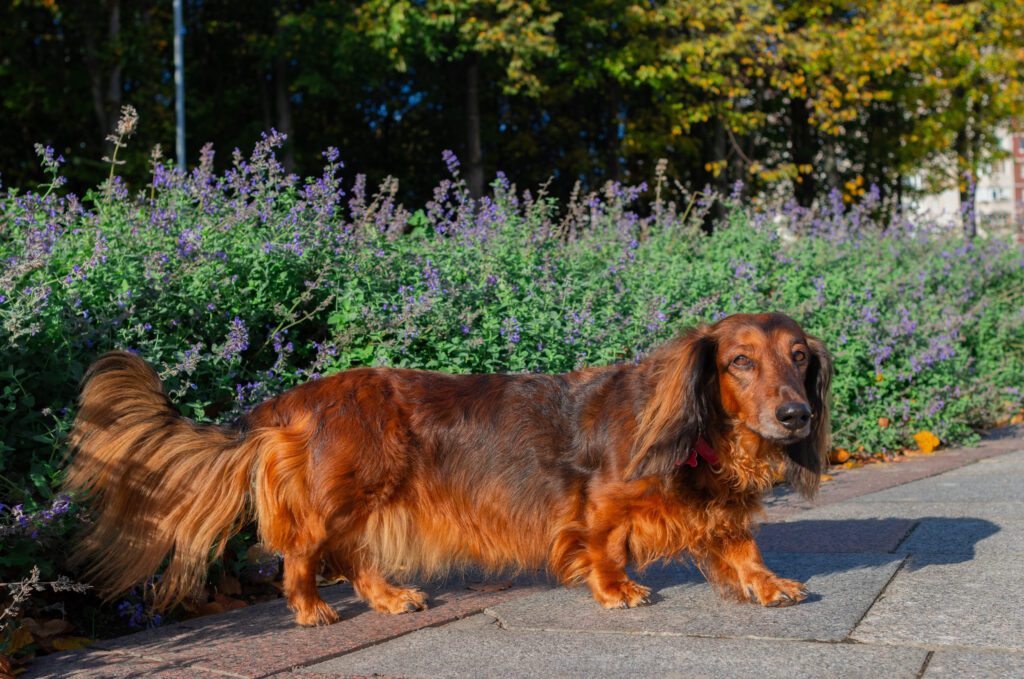



The Long-Haired Dachshund combines a bold spirit with a silky, flowing coat and a loyal, people-oriented nature. This compact hound is affectionate, playful, and surprisingly confident. The breed is alert and vocal, which makes it a cheerful companion and a reliable watchdog in a small package.
It is important to research before you adopt. Long-Haired Dachshunds carry classic hound instincts, which include digging, following scent trails, and voicing opinions. The coat needs regular brushing, and the long back needs careful handling. Adoption is often preferable to buying because it supports dogs already in need, it opens space for the next dog, and it connects you with support from experienced volunteers who understand the breed.
Washington can suit this breed well when you plan for climate and terrain. Coastal rain and damp trails can mat a long coat, so frequent brushing and careful drying are important. The dog’s low frame picks up mud in wet months. Eastern Washington brings colder winters and hotter summers, so a light coat or sweater in winter and shade with cool water in summer help the dog stay comfortable. Apartments and townhomes can work because the breed is small, but daily walks, mental enrichment, and safe management of stairs are essential to protect the back.
You can avoid searching shelters and rescues one by one by using Dog Academy. Dog Academy brings adoptable listings together in one place and offers educational guides and adoption checklists that help you prepare with confidence. You can also check local animal shelters, regional rescues, and breed-specific rescue groups that serve Washington. Read each dog’s profile for age, temperament, health notes, and grooming needs, and match those details to your schedule and home.
The process usually starts with browsing listings, then submitting an application. Applications ask about your experience, your schedule, your home setup, and your plans for training and veterinary care. Many groups verify landlord approval for renters and request contact information for a veterinarian or personal references. Understanding Dachshund needs shows a strong fit, which includes safe handling of a long back, gentle training methods, and a plan for enrichment.
After an application, you can expect a meet-and-greet. This happens at a shelter, an adoption event, or a foster home. Bring resident dogs for a slow introduction if the group allows it. Some organizations complete a home check, which confirms safe fencing, secure stairs, and a tidy space for crates, food, and leashes. Home checks can be virtual video tours or short in-person visits.
Approval timelines vary. A municipal shelter may approve within 3 to 10 days. Foster-based or breed-specific groups often take 1 to 3 weeks because volunteers arrange interviews, vet checks, and home visits. If your match lives far away, transport is sometimes arranged by rescues to move dogs between locations using volunteer drivers or licensed carriers, and adopters often pay a small transport fee to cover fuel and care supplies.
|
How Much Does It Cost to Adopt a Long-Haired Dachshund in Washington?In Washington, a realistic adoption fee for a Long-Haired Dachshund is $300 to $600. Puppies and young adults tend to sit at the higher end, while seniors and special-needs dogs often cost less. Breed-focused groups sometimes ask toward the upper half of the range because they invest in extra veterinary care and grooming before placement. Fees reflect spaying or neutering, vaccinations, microchipping, and veterinary exams. Costs also rise when dogs need dentals, treatment for skin or ear issues linked to long coats, or advanced diagnostics for back health. Training history, demand for small companion dogs, and the length of time in foster care also affect the final fee. |
How Should I Train a Long-Haired Dachshund?Long-Haired Dachshunds are bright, curious, and independent. They love to work for food and toys, and they learn quickly when sessions are short and upbeat. Positive reinforcement builds trust and keeps their confidence high. Harsh corrections can create shutdown or defensive behavior, so use gentle handling and clear rewards for every choice you want to see again. Common challenges include barking at noises, pulling toward scents, and slow house training. Teach a strong settle on a mat, reinforce quiet moments, and use a front-clip harness to protect the neck and back on walks. Crate training helps with house training and provides a safe rest zone. Limit jumping on and off furniture, and use ramps or steps to protect the spine. For step-by-step help tailored to small hounds, explore Dog Academy’s online training courses, which cover foundation skills, loose-leash walking, enrichment, and polite manners. |
|
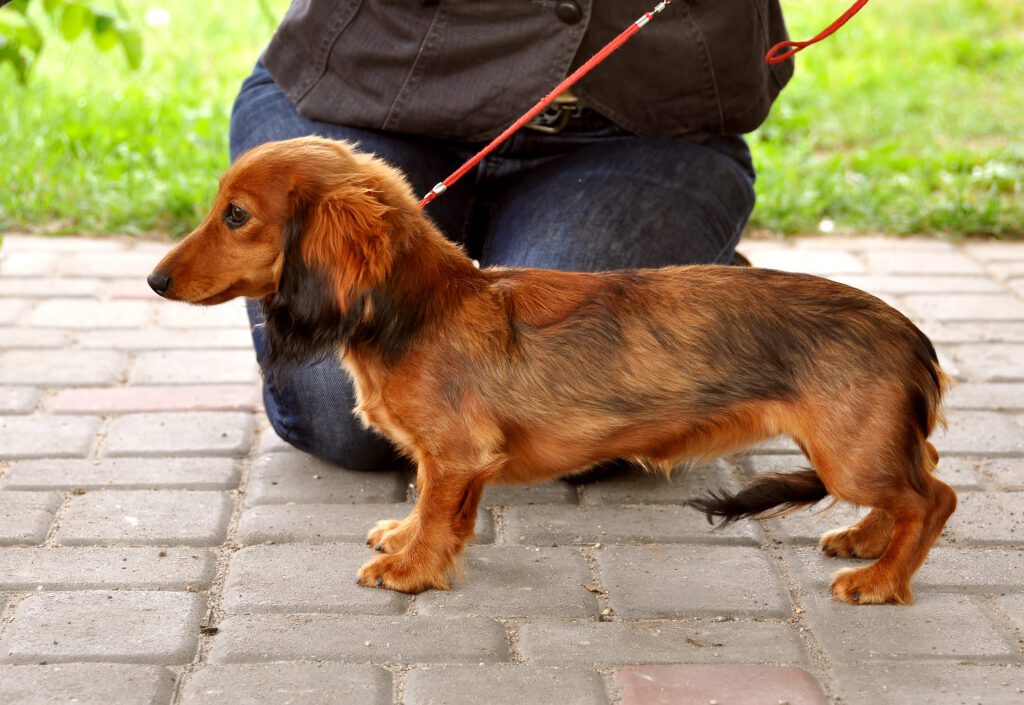
The ideal owner enjoys daily walks, consistent routines, gentle handling, and regular brushing. A good match provides time for training, safe management of stairs and furniture, and enrichment games that let a hound use its nose. Families, singles, and seniors can all thrive with this breed when expectations are clear and consistent.
Set yourself up for success by preparing your home, gathering supplies, and learning about back-safe handling and coat care. Take your time, ask questions, and trust the process. When you adopt a Long-Haired Dachshund in Washington with thoughtful planning, you give a deserving dog a safe home and welcome a lively, loving companion for years to come.

Introducing a new puppy to your current dog is often an exciting process, and many dogs will become fast friends and eas...
Read More
Rescue dogs can make great companions and can transform your home into something better. These dogs make great pets and ...
Read More
You should never rush to pet a dog. Even dog owners make the mistake of approaching unfamiliar dogs and petting them rig...
Read More
Puppy mill dogs are survivors who have endured extreme hardships in their lives. They have grown up in horrendous, unsan...
Read More
With their wagging tails and comforting presence, adopting a dog can add a unique touch to your life. It’s a heart...
Read More
Older dogs may have a few gray hairs around the edges, but that doesn’t mean they can’t make wonderful companions! T...
Read More