

























































































































































































Introducing a new puppy to your current dog is often an exciting process, and many dogs will become fast friends and eas...
Read MoreAdopt Me
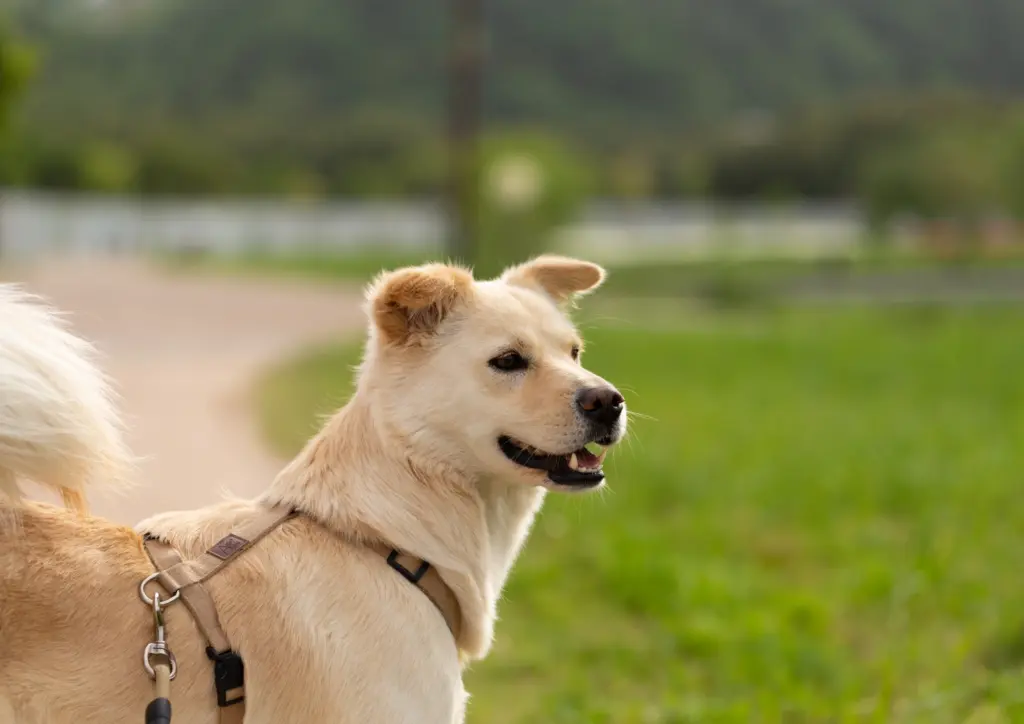
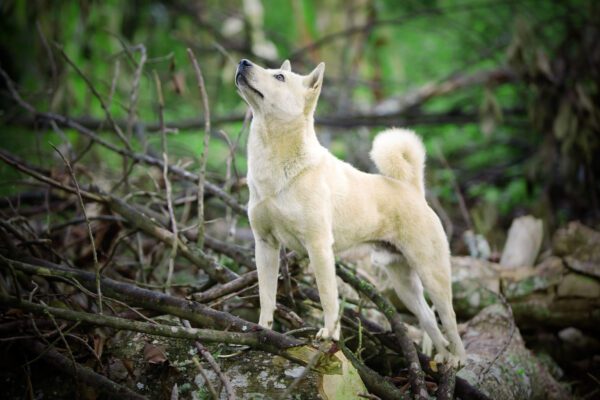
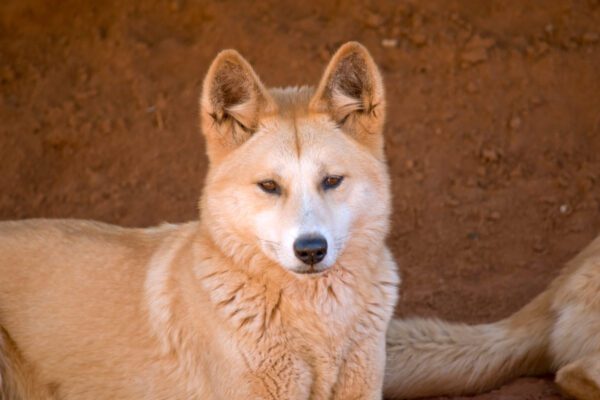
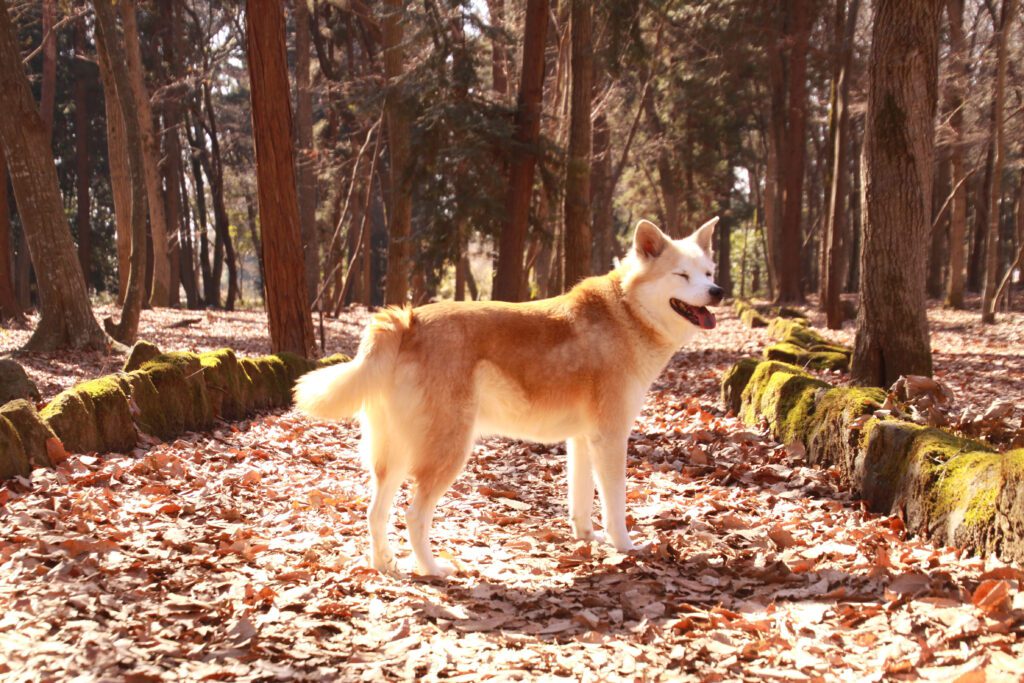
The Korean Jindo is intelligent, loyal, and athletic. This breed bonds closely with its family, shows natural cleanliness, and prefers a calm home with clear routines. A Jindo is often reserved with strangers and can be independent, yet it thrives when work and play feel purposeful. Strong problem solving skills and a high prey drive mean consistent leadership and secure management are essential.
Research matters before you adopt a Korean Jindo in Nevada. You should understand daily exercise needs, socialization goals, grooming for a double coat, and the importance of secure fencing. Adoption is preferable to buying because it gives a dog a second chance, provides transparency about temperament and medical history, and supports responsible animal welfare. Many adoptable Jindos arrive already vetted and behaviorally evaluated, which helps you make a confident match.
Nevada offers both opportunities and challenges for this breed. Summers bring intense sun and dry heat, especially in southern desert areas, so you should plan early morning or evening walks, shade breaks, and frequent hydration. Northern and higher elevation regions can have cold winters, which a double-coated Jindo handles well with proper shelter. Urban apartments in Las Vegas or Reno can work with structured exercise and enrichment, while suburban homes with secure yards suit the breed’s athletic nature. Rural settings require vigilant supervision and solid fencing due to wildlife and the Jindo’s prey drive.
You can skip searching shelters and rescues one by one by starting with Dog Academy. You can browse current adoption listings in one place, filter for breed and location, and learn from educational guides and an adoption checklist that explains each step. You can also explore local animal shelters, regional rescues, breed-specific rescue groups, and foster networks that may place Jindos or Jindo mixes. Because this breed is rare, you may widen your search to nearby states. Transport is often arranged by rescues to move dogs between locations, and transport usually involves volunteer drivers or flights that the adopter helps fund.
The process usually starts with browsing listings and reading detailed profiles. Next you submit an application that covers your household, schedule, fencing, pet history, and landlord approval if you rent. Most groups follow with a phone interview to discuss expectations, training plans, and how you will handle introductions with family members and other pets. A home check often takes place virtually or in person to confirm safety measures like gates, trash storage, and yard security.
After approval you meet the dog at a scheduled meet-and-greet. Many groups require meetings for every household member to ensure a good fit. Some programs offer foster-to-adopt periods so everyone can settle in with support. Timelines vary by organization and by the dog’s needs, yet most adoptions in Nevada finalize within 1 to 3 weeks when applicants respond quickly and scheduling moves smoothly. Throughout the process you should ask about behavior history, exercise needs, and any training the dog has already received, because Jindos do best with clear structure from day one.
|
How Much Does It Cost to Adopt a Korean Jindo in Nevada?In Nevada, adoption fees for a Korean Jindo typically range from $250 to $550, with most adult dogs landing around $350 to $450. Costs rise for puppies and newly arrived imports and may be lower for seniors. Fees reflect medical care, demand for the breed, training investments by the rescue, and transport expenses when dogs move from other regions to Nevada. Most adoption fees include spaying or neutering, vaccinations, microchipping, and veterinary exams. Some groups also include deworming, heartworm testing, and initial training support. When comparing fees, ask what post-adoption support is available, what medical records you will receive, and whether any starter supplies are provided at pickup. |
How Should I Train a Korean Jindo?The Korean Jindo is bright and thoughtful, which makes training efficient when you use clear structure and high-value rewards. Jindos respond best to positive reinforcement with short, focused sessions that build success. This breed can grow bored with repetition, so you should vary rewards, rotate exercises, and put skills to work during walks and games. Common challenges include independence, prey drive, and selective recall. You can set your Jindo up for success by teaching name recognition, building impulse control, and reinforcing recall with a long line before practicing off leash in secure spaces. Reward calm greetings with strangers and use structured exposure to new places so confidence grows without flooding the dog. Management matters for safety. A secure 6-foot fence, a strong leash, and thoughtful decompression during the first weeks help prevent escapes and reactivity. For step-by-step help, explore Dog Academy’s online training courses. You can follow guided lessons for basic obedience, loose-leash walking, reliable recall, crate skills, and reactivity care. You can also add enrichment with scent games and problem solving sessions that let a Jindo use its natural tracking instincts in a safe and legal way. |
|
The ideal adopter enjoys daily walks, structured play, and thoughtful training. A great match provides consistent rules, patient socialization, and a secure home environment. Families that value routine and calm leadership often see the best results with this breed.
Prepare before you bring your dog home. You should gather supplies, schedule a veterinary visit, line up a training plan, and map safe walking routes that avoid midday heat. Take your time as you adopt a Korean Jindo in Nevada, ask detailed questions, and choose the dog whose temperament and energy match your lifestyle. With steady guidance and the right support, your Jindo will become a devoted companion for years to come.

Introducing a new puppy to your current dog is often an exciting process, and many dogs will become fast friends and eas...
Read More
Rescue dogs can make great companions and can transform your home into something better. These dogs make great pets and ...
Read More
You should never rush to pet a dog. Even dog owners make the mistake of approaching unfamiliar dogs and petting them rig...
Read More
Puppy mill dogs are survivors who have endured extreme hardships in their lives. They have grown up in horrendous, unsan...
Read More
With their wagging tails and comforting presence, adopting a dog can add a unique touch to your life. It’s a heart...
Read More
Older dogs may have a few gray hairs around the edges, but that doesn’t mean they can’t make wonderful companions! T...
Read More