




























































































































































































Introducing a new puppy to your current dog is often an exciting process, and many dogs will become fast friends and eas...
Read MoreAdopt Me
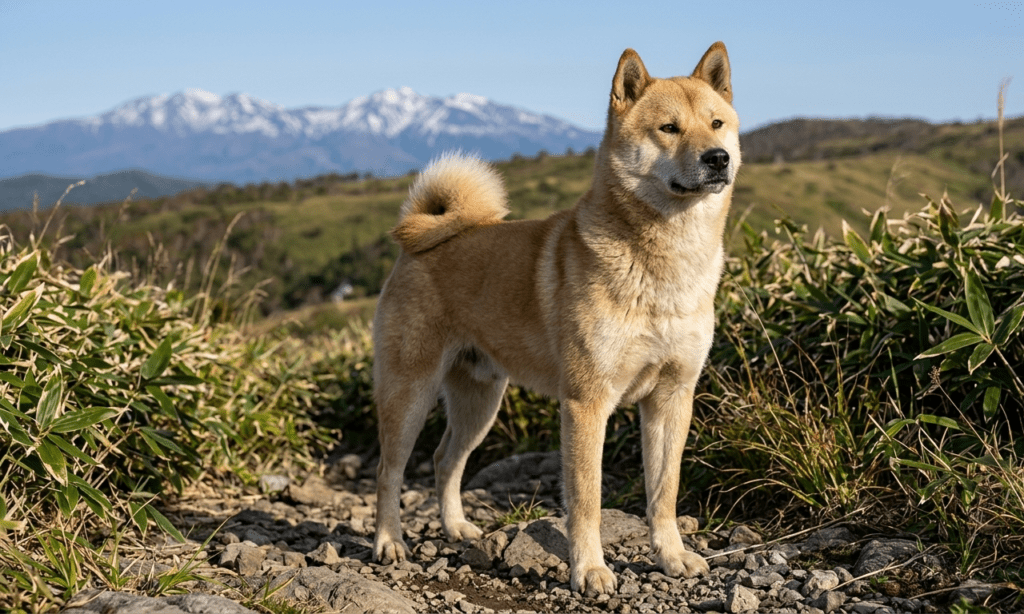

The Hokkaido is a hardy, medium spitz breed known for loyalty, courage, and keen intelligence. This dog bonds deeply with family, shows natural vigilance, and loves purposeful activity. The breed often feels reserved with strangers, shows a strong prey drive, and thrives with consistent guidance and daily mental challenges. Careful research helps you decide if this independent and devoted companion fits your life.
Adoption gives a deserving dog a home while supporting community animal welfare. It also provides transparency about temperament and needs, along with post-adoption support from knowledgeable volunteers. Adopting rather than buying reduces pressure on breeding and helps dogs already in care find stable, loving families.
Washington suits the Hokkaido’s dense double coat because the state’s cool, wet winters and mild summers help prevent overheating. Forested trails, mountain paths, and open beaches offer excellent outlets for this athletic breed. Abundant wildlife increases the risk of chasing, which makes reliable recall and secure leashing essential. Urban living can work when daily exercise, structured enrichment, and considerate management of vocalization keep neighbors happy. Seasonal shedding is heavy, so regular brushing and good coat care matter in a rainy climate that brings mud and debris.
You can avoid searching rescues and shelters separately by browsing Dog Academy. The adoption listings gather available dogs across Washington in one place and make next steps clear. You also gain helpful educational guides and checklists that explain paperwork, home preparation, and the first weeks after adoption.
Adoptable Hokkaidos appear through local animal shelters, regional rescues, and breed-specific rescue groups. Availability in Washington can fluctuate since this breed is uncommon. When a dog is located outside your area, rescues may arrange transport to Washington using volunteer driver relays or licensed carriers. Transport moves dogs between locations safely, and it can add time and modest cost to the process.
The process usually starts by browsing listings and submitting an application. Applications ask about your experience, schedule, housing, fencing, resident pets, and veterinary history, which helps match the dog’s needs to your lifestyle. You may be asked for landlord approval if you rent and for veterinary references if you have current or prior pets. An adoption counselor reviews your information and guides you to suitable candidates.
Meet-and-greets follow once an initial match looks promising. You will observe how the Hokkaido interacts with you and, when appropriate, how the dog behaves around resident pets. Some groups offer a foster-to-adopt option, which gives you a short trial in your home before finalizing the adoption. This step helps confirm fit and reduces returns.
Home checks are common and can be virtual or in-person. A representative verifies safety details such as secure containment, safe storage of chemicals, and a quiet rest area. Timelines vary with demand and volunteer capacity, but you can expect an initial response within 3 to 7 days and a complete approval in about 1 to 3 weeks. Clear communication, quick responses, and readiness with supplies help move the process forward smoothly.
|
How Much Does It Cost to Adopt a Hokkaido in Washington?In Washington, the adoption fee for an adult Hokkaido generally falls between $350 and $650, while puppies, when available, often range from $500 to $750. Rarity, recent medical care, professional training, transport needs, and local demand influence final pricing. Fees commonly include spaying or neutering, vaccinations, microchipping, and veterinary exams. Plan for additional costs such as licensing, quality food, grooming tools, and training support. |
How Should I Train a Hokkaido?The Hokkaido is bright and capable but also independent, which means training works best when you use positive reinforcement and clear structure. Reward desired behavior with high-value treats, cheerful praise, and play to build engagement. Early and ongoing socialization helps with confidence around unfamiliar people, dogs, and environments. Foundation skills like name recognition, sit, down, stay, and settle teach impulse control that carries into everyday life. Focus on reliable leash manners and a long-line recall because the breed’s prey drive makes off-leash freedom risky in most settings. Teach calm greetings to manage natural vigilance and reduce reactivity. Crate training and mat work create safe resting habits that ease transitions and travel. For step-by-step lessons tailored to real life, explore Dog Academy’s online training courses, which cover recall building, loose-leash walking, polite social behavior, enrichment, and home-alone skills designed for energetic working breeds. |
|
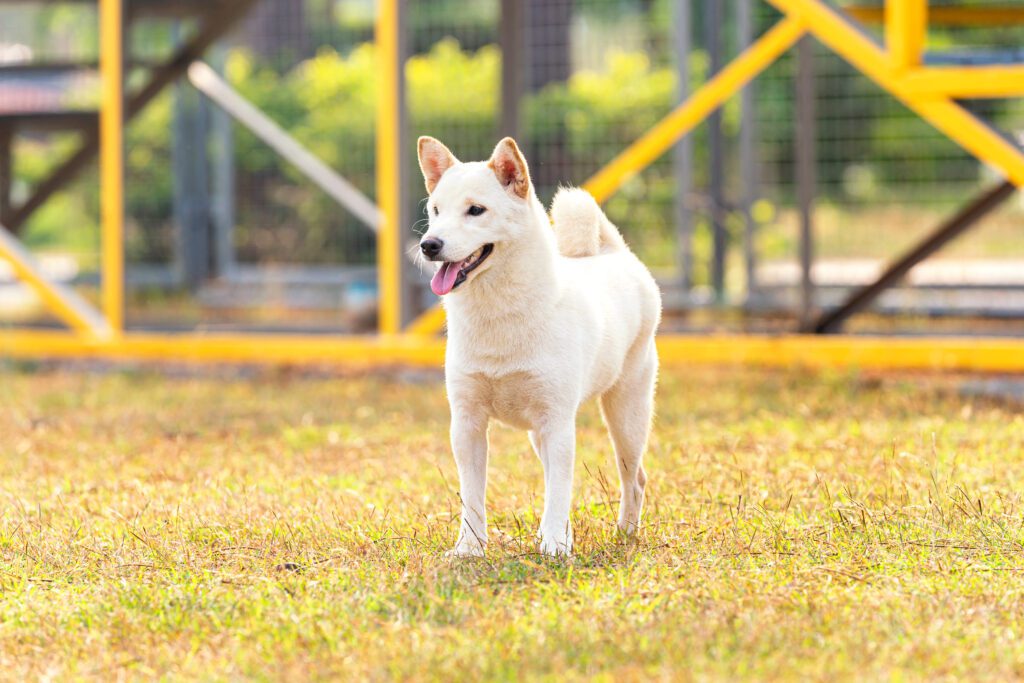
The ideal Hokkaido adopter enjoys daily activity, values routine, and commits to patient, reward-based training. A secure yard or a firm plan for leashed exercise, plus time for grooming and mental stimulation, keeps this breed happy and healthy. Families that hike Washington’s trails, visit local dog-friendly spaces, and build consistent habits often find the Hokkaido a deeply rewarding partner.
Preparation sets you up for success. Research the breed’s needs, gather supplies, choose a veterinarian, and plan your first weeks of training before you bring your dog home. Take your time as you adopt a Hokkaido in Washington, ask thoughtful questions, and use Dog Academy resources to make confident, compassionate decisions.

Introducing a new puppy to your current dog is often an exciting process, and many dogs will become fast friends and eas...
Read More
Rescue dogs can make great companions and can transform your home into something better. These dogs make great pets and ...
Read More
You should never rush to pet a dog. Even dog owners make the mistake of approaching unfamiliar dogs and petting them rig...
Read More
Puppy mill dogs are survivors who have endured extreme hardships in their lives. They have grown up in horrendous, unsan...
Read More
With their wagging tails and comforting presence, adopting a dog can add a unique touch to your life. It’s a heart...
Read More
Older dogs may have a few gray hairs around the edges, but that doesn’t mean they can’t make wonderful companions! T...
Read More