




























































































































































































Introducing a new puppy to your current dog is often an exciting process, and many dogs will become fast friends and eas...
Read MoreAdopt Me



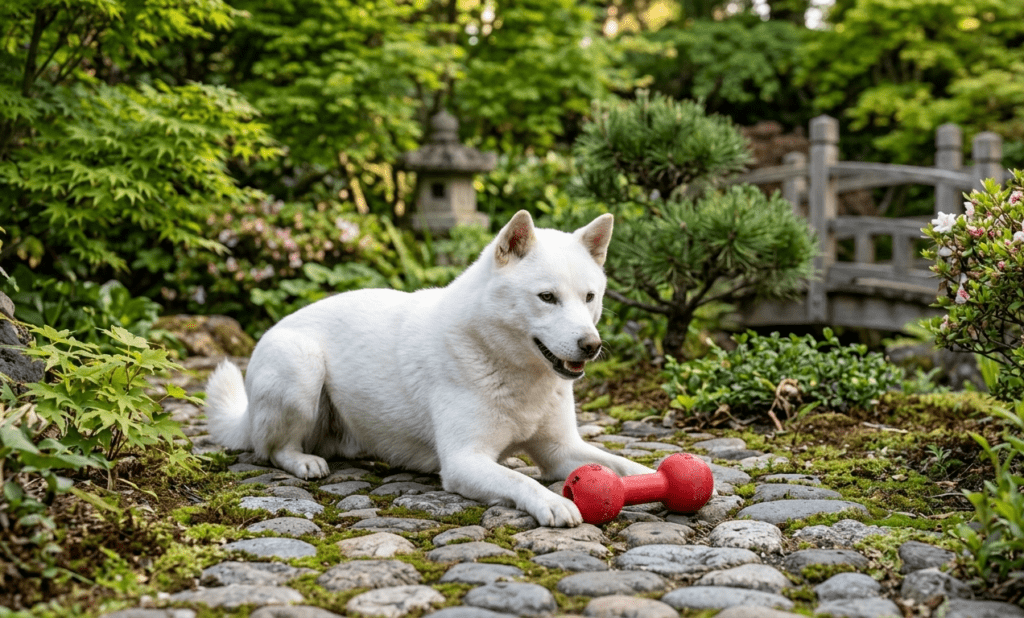
The Hokkaido is a bold, loyal, and highly intelligent spitz breed that bonds closely with its family. This dog is alert and athletic, with a calm confidence that shines in active homes. Many people love the Hokkaido for its balanced temperament and striking double coat.
Thoughtful research always leads to better adoptions. A Hokkaido needs daily exercise, steady socialization, and consistent training. Adoption gives a deserving dog a new start and supports lifesaving work. Adopted dogs in Texas often arrive vetted and ready to settle into a stable routine.
Texas offers wide open spaces and a vibrant outdoor lifestyle that suits an athletic breed. The state’s hot summers require extra care because a Hokkaido has a dense coat. Early morning walks, shaded rest, air conditioning, and steady hydration help the dog stay comfortable. Urban apartments can work with firm training and daily mental enrichment. Suburban yards and rural properties need secure fencing because many Hokkaidos have a strong prey drive and a talent for escape. Gentle winters and plentiful local trails make year-round activity possible.
You can skip searching shelters and rescues one by one by starting with Dog Academy. The listings help you browse available dogs in one place, filter by location, and check important details. Dog Academy also provides educational guides and adoption checklists that help you prepare before you apply.
In Texas, adoptable Hokkaidos may appear through local animal shelters, regional rescues, breed-specific rescue groups, and foster networks. Begin by browsing listings, reading each profile, and asking clear questions about history, health, and behavior. Request information about energy level, house manners, and compatibility with children or other pets. Ask about grooming needs and any training the dog has completed.
Most organizations follow a similar process. You submit an application with identification, housing details, and references. Renters usually provide landlord approval. If your application moves forward, you schedule a meet-and-greet that may include your resident dogs. A home check often verifies secure fencing, safe storage of hazards, and a quiet space for decompression. Approval timelines vary by group and by dog. Many adoptions in Texas complete in 1 to 3 weeks after the first application, although complex cases can take longer.
Transport can expand your options when you adopt a Hokkaido in Texas. Rescues sometimes arrange transport to move dogs between locations when a strong match is found. Ground relay transport uses a series of volunteers to drive set legs, while flight volunteers carry dogs in-cabin when airline rules allow it. Most groups finalize the adoption and complete a veterinary health certificate before travel. Clear communication about pickup times and supplies helps the dog arrive safely and settle quickly.
|
How Much Does It Cost to Adopt a Hokkaido in Texas?Because the Hokkaido is rare in the United States, adoption fees in Texas usually reflect limited availability and prior veterinary care. Adult Hokkaidos commonly range from $350 to $650. Puppies from rare litters or special rescues can range from $500 to $800. Fees often include spaying or neutering, vaccinations, microchipping, and veterinary exams, which reduce upfront costs after adoption. Several factors influence price. Age can change fees because puppies require more routine care and training support. Prior training can raise value when a dog arrives with solid manners or advanced skills. Medical care such as dental work or specialized treatments can increase costs. Demand also matters because a small number of available Hokkaidos can lead to higher fees. Some organizations add modest costs for transport or post-adoption supplies, and they disclose those items during the approval process. |
How Should I Train a Hokkaido?The Hokkaido is bright, observant, and capable of advanced learning. The breed can also be independent, which means the dog responds best to calm leadership and clear structure. Positive reinforcement builds trust, keeps motivation high, and prevents conflict. Reward the behaviors you want with high-value treats, play, or access to activities the dog loves. Focus early on socialization, impulse control, and leash skills. Short, upbeat sessions teach polite greetings, loose-leash walking, and reliable recall. Many Hokkaidos have a strong prey drive, so practice leave-it and attention games in low-distraction settings before you add challenges. Crate training supports safe travel and calm downtime. Rotate puzzle toys and scent games to meet the dog’s mental needs and reduce boredom. If you want a structured plan, try Dog Academy’s online training courses. Step-by-step lessons show you how to teach foundations, prevent problem behaviors, and advance to activities like agility or tracking. Consistency across family members helps the Hokkaido understand rules and relax into a steady routine. |
|
The ideal Texas home for a Hokkaido offers daily exercise, patient training, and thoughtful management around wildlife and small pets. A secure yard, an active lifestyle, and a calm household will help this breed thrive. First-time owners can succeed when they commit to education and follow a clear training plan.
Take your time, ask questions, and prepare your home before you bring a dog home. Review supplies, set a predictable schedule, and plan gradual introductions. With careful research and steady support, you can adopt a Hokkaido in Texas and enjoy a smart, loyal partner for many years.

Introducing a new puppy to your current dog is often an exciting process, and many dogs will become fast friends and eas...
Read More
Rescue dogs can make great companions and can transform your home into something better. These dogs make great pets and ...
Read More
You should never rush to pet a dog. Even dog owners make the mistake of approaching unfamiliar dogs and petting them rig...
Read More
Puppy mill dogs are survivors who have endured extreme hardships in their lives. They have grown up in horrendous, unsan...
Read More
With their wagging tails and comforting presence, adopting a dog can add a unique touch to your life. It’s a heart...
Read More
Older dogs may have a few gray hairs around the edges, but that doesn’t mean they can’t make wonderful companions! T...
Read More