















































































































































































Introducing a new puppy to your current dog is often an exciting process, and many dogs will become fast friends and eas...
Read MoreAdopt Me



The Havanese is a cheerful, people-focused companion that thrives on affection and routine. This small breed stays close to its family, learns quickly, and adapts well to apartment living. A silky, low-shedding coat and a friendly nature make the Havanese a favorite for families, retirees, and first-time dog owners. Thoughtful research helps you match this sensitive, social dog with your daily schedule and your environment.
Choosing to adopt rather than buy supports animal welfare and gives a deserving dog a fresh start. Adoption often includes essential veterinary care and helpful background notes from fosters. Nevada offers many chances to meet a Havanese through shelters and rescues, yet the state’s climate and geography require mindful care. Summers are hot and dry across much of Nevada, so a Havanese does best with indoor living, short walks at cooler times, and steady access to shade and water. High-desert and mountain areas can bring cold winter mornings, so a light sweater and a brisk walk help keep your dog comfortable.
Nevada’s mix of lively cities and quiet rural towns suits the Havanese well. The breed enjoys short daily walks, gentle play, and plenty of family time. City sidewalks, condo hallways, and suburban cul-de-sacs all work for this adaptable companion. In open desert spaces, use a leash to protect small dogs from hot surfaces and unexpected wildlife. Regular brushing keeps the coat clean in dusty conditions and prevents mats that can trap heat.
You can skip searching shelters and rescues one by one by using Dog Academy to browse Havanese adoption listings across Nevada. Dog Academy also offers guides and adoption checklists that explain how to prepare your home, how to evaluate a listing, and how to make a smooth transition for your new dog.
Start by exploring local animal shelters, regional rescues, breed-specific rescue groups, and foster-based networks. Read each profile closely to understand temperament, energy level, and medical history. A good match respects Havanese traits such as social sensitivity, moderate exercise needs, and a preference for steady human company.
Most organizations ask you to submit an online application that covers your schedule, experience, housing, and veterinarian information. Landlords often require written pet approval, and some groups request personal references. After your application is reviewed, you schedule a meet-and-greet to confirm compatibility. Many groups complete a home check that verifies safe fencing, secure doors, and a comfortable indoor space. Home checks often occur virtually by video when distance makes travel hard.
Approval timelines commonly range from 1 to 3 weeks. Your speed in supplying documents and your flexibility with scheduling can shorten the wait. If the right Havanese is outside your area, some rescues arrange transport between locations. Transport typically uses volunteer drivers or licensed carriers, requires a health certificate from a veterinarian, and may add a modest fee to cover fuel and handling.

|
How Much Does It Cost to Adopt a Havanese in Nevada?In Nevada, expect Havanese adoption fees to fall between $275 and $550. Puppies and young adults often sit at the higher end due to strong demand and recent veterinary work, while seniors and dogs with ongoing medical needs are usually lower. Fees reflect care already provided before adoption, including spaying or neutering, vaccinations, microchipping, and veterinary exams. Many small dogs also need dental assessments or cleanings, which can raise costs. Final cost depends on age, training, medical history, and location. Foster-based groups sometimes invest in grooming, behavior support, or crate acclimation, which influences the fee. If transport is arranged, expect an added charge that often ranges from $50 to $200 to cover health certificates and safe travel logistics. |
How Should I Train a Havanese?The Havanese is bright, eager, and sensitive, which makes positive reinforcement the best approach. Reward calm behavior with small treats, praise, and play. Keep sessions short, upbeat, and consistent. Early focus on house training, crate comfort, and polite greetings prevents nuisance barking and anxiety. Gentle socialization with people, sounds, and surfaces builds confidence for city sidewalks and busy apartment corridors. House training benefits from a steady schedule and frequent outside breaks. Use a crate as a safe den, not a punishment. Teach loose-leash walking and a reliable recall to keep this small dog safe around distractions. Mental enrichment matters as much as physical exercise, so rotate puzzle toys and teach fun tricks to channel energy into learning. For step-by-step guidance, enroll in Dog Academy’s online training courses. You can follow clear lesson plans, troubleshoot common challenges, and build a routine that fits your lifestyle in Nevada. |

|
The ideal Havanese adopter enjoys daily companionship, gentle activities, and a tidy routine. Families with respectful children, retirees with time at home, and remote workers who value a cheerful desk-side friend often make wonderful matches. A calm home, a grooming plan, and a steady walk schedule help this affectionate breed flourish.
Prepare your space, gather supplies, and learn about the breed before you apply. Take time to read listings carefully and ask specific questions about energy level, medical needs, and daily habits. With patience and the right resources, you can adopt a Havanese in Nevada and welcome a loyal, loving companion into your life.

Introducing a new puppy to your current dog is often an exciting process, and many dogs will become fast friends and eas...
Read More
Rescue dogs can make great companions and can transform your home into something better. These dogs make great pets and ...
Read More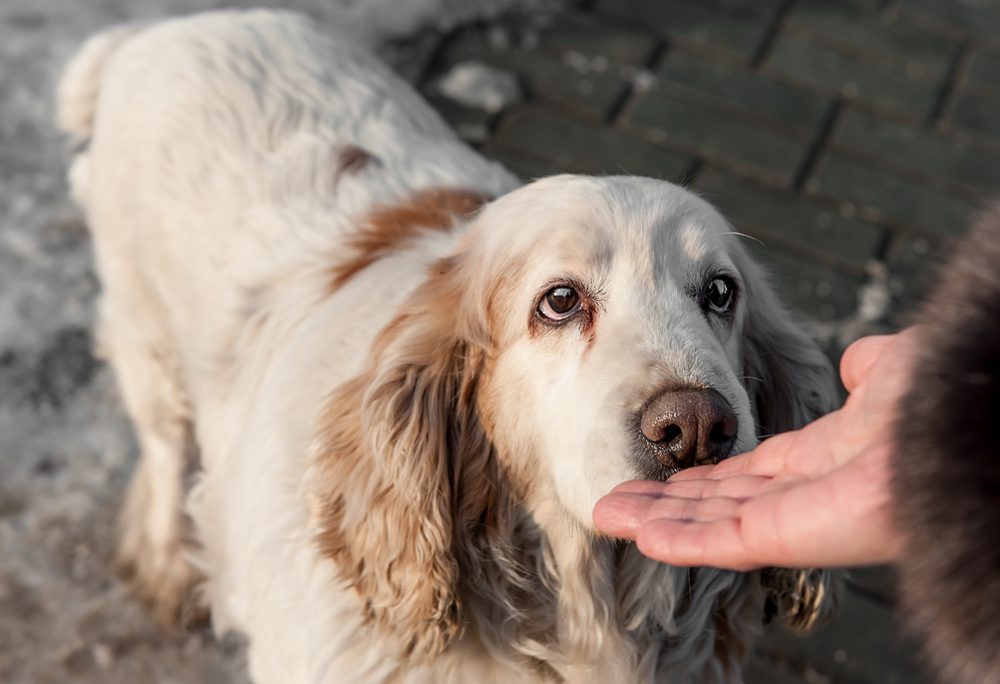
You should never rush to pet a dog. Even dog owners make the mistake of approaching unfamiliar dogs and petting them rig...
Read More
Puppy mill dogs are survivors who have endured extreme hardships in their lives. They have grown up in horrendous, unsan...
Read More
With their wagging tails and comforting presence, adopting a dog can add a unique touch to your life. It’s a heart...
Read More
Older dogs may have a few gray hairs around the edges, but that doesn’t mean they can’t make wonderful companions! T...
Read More