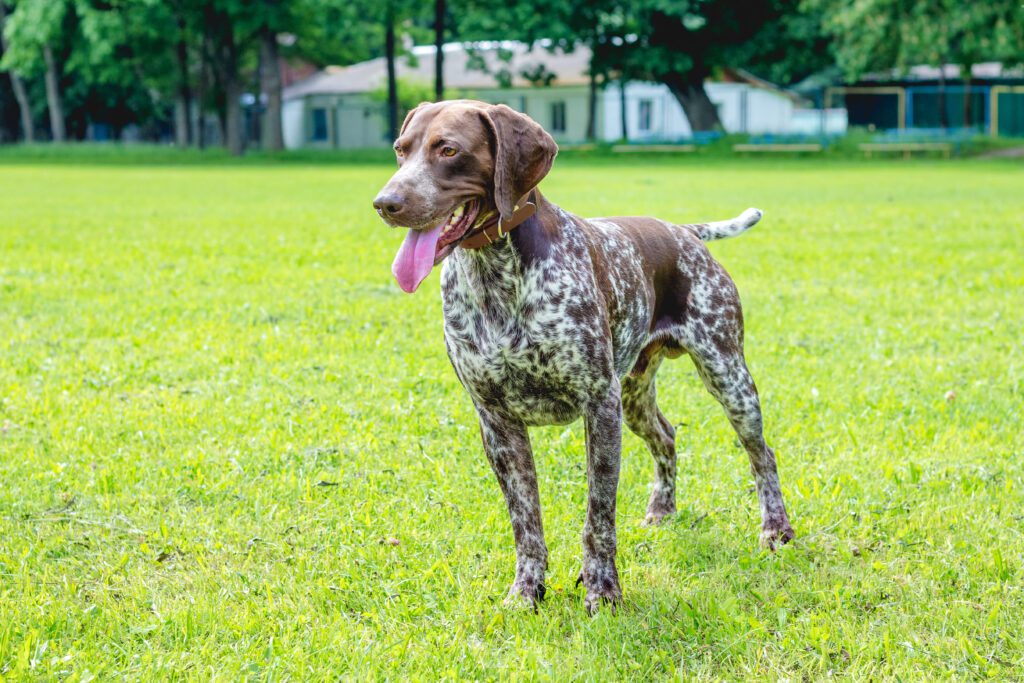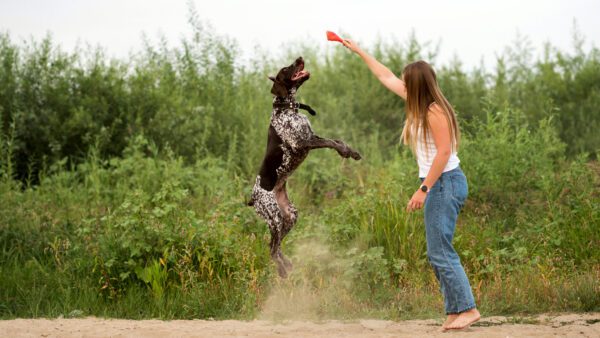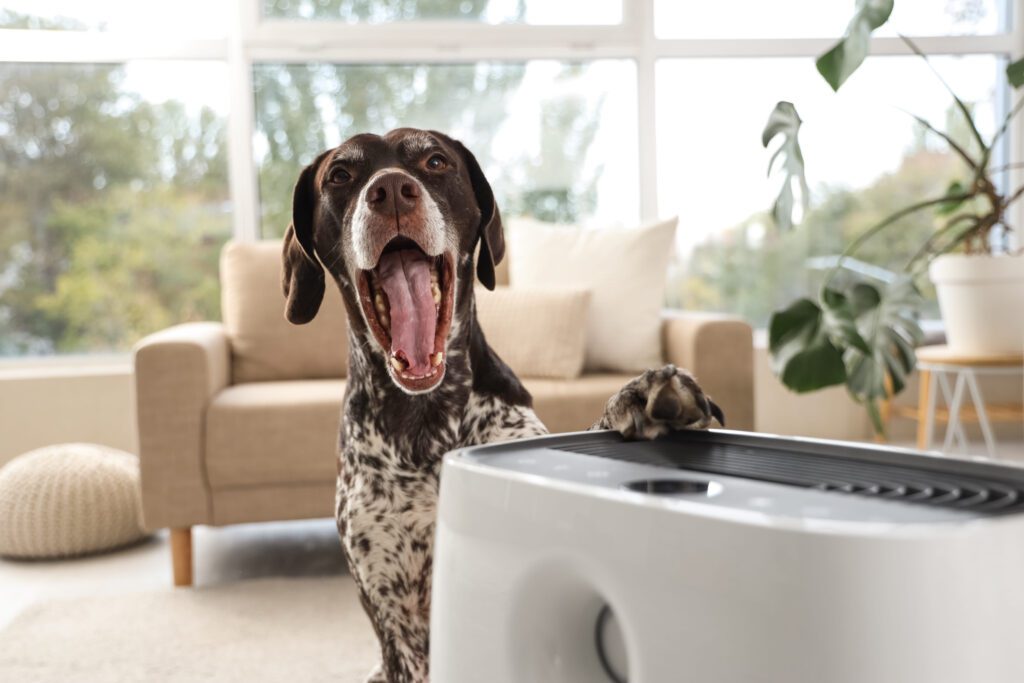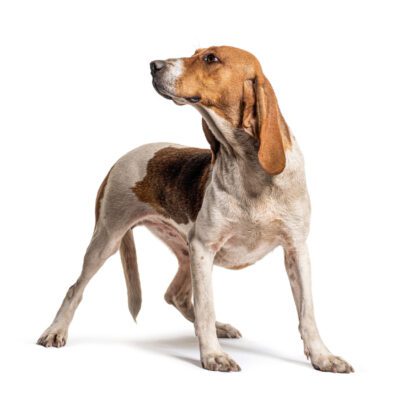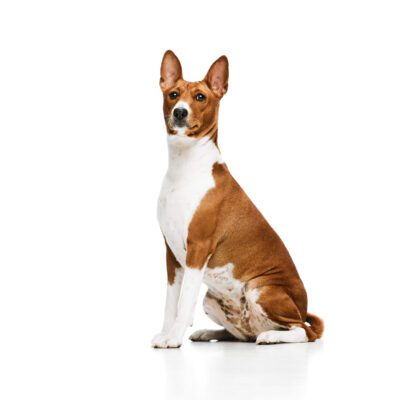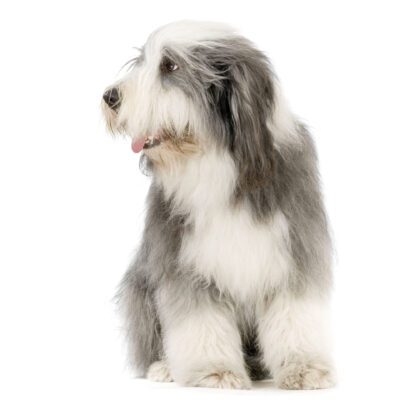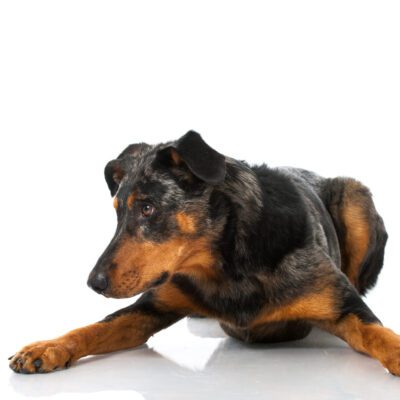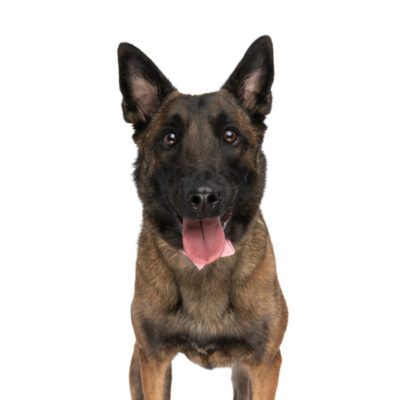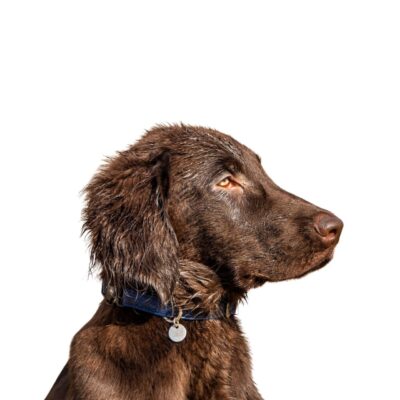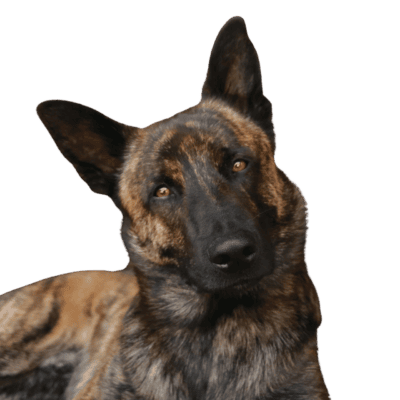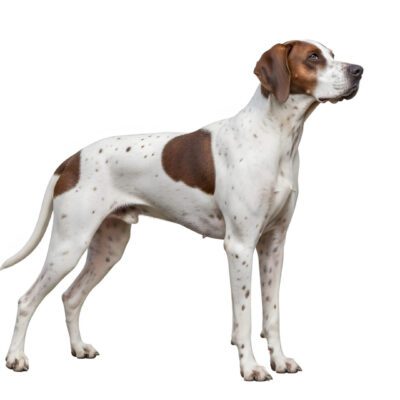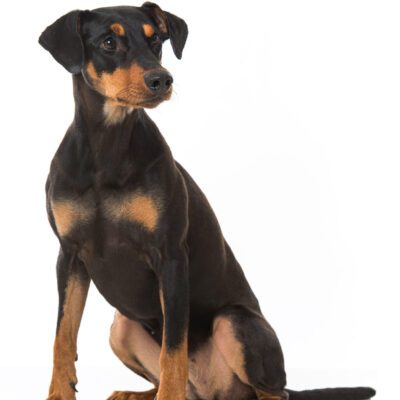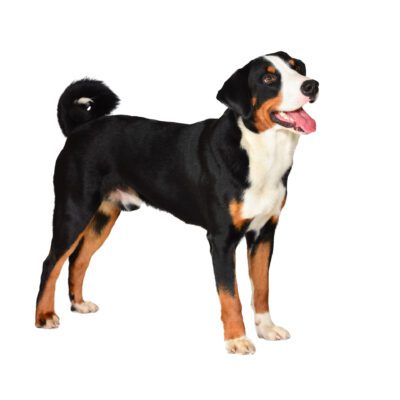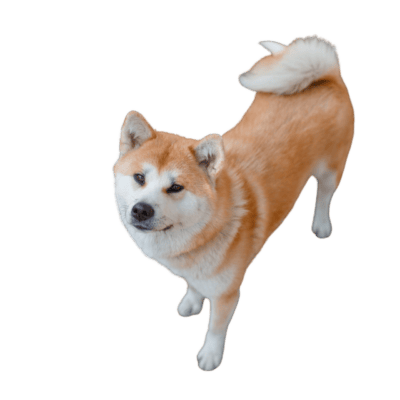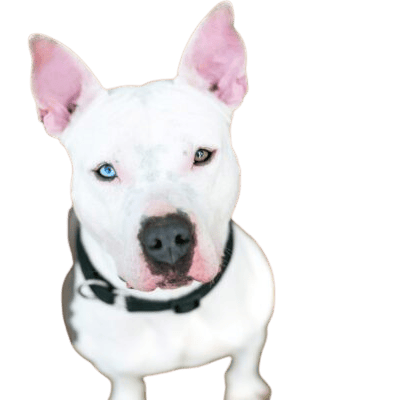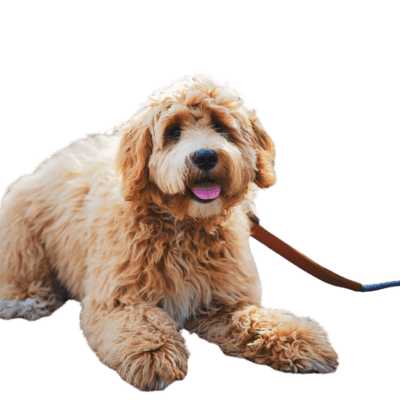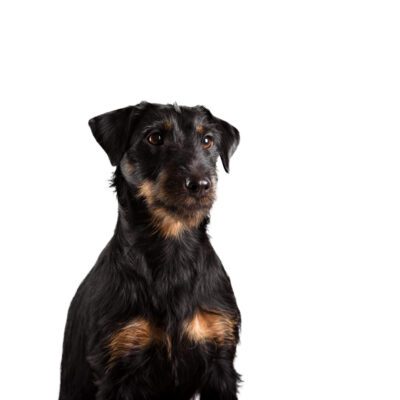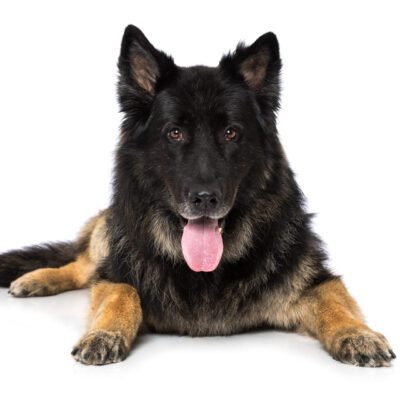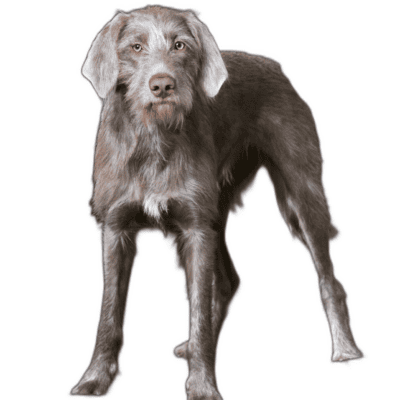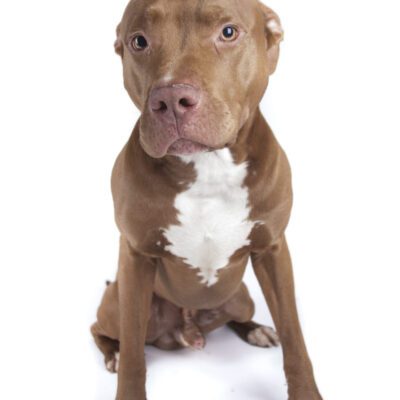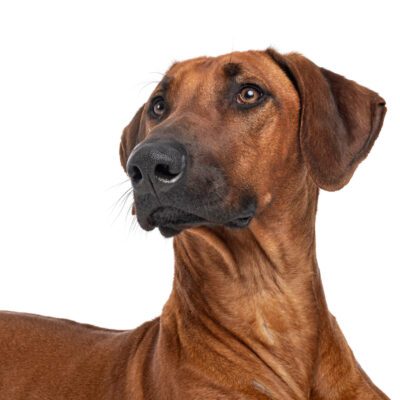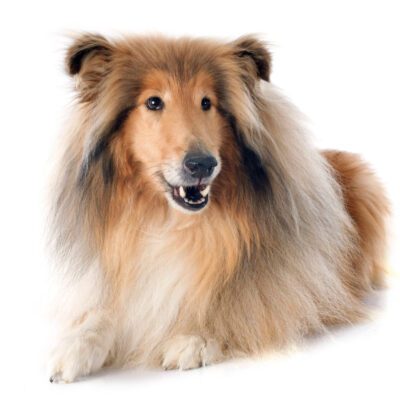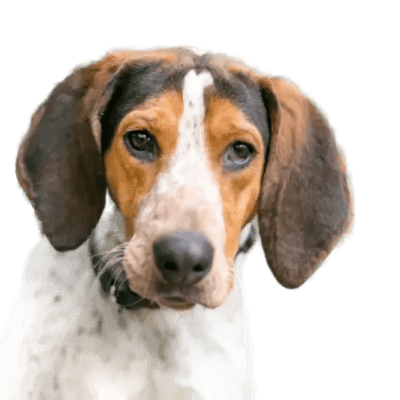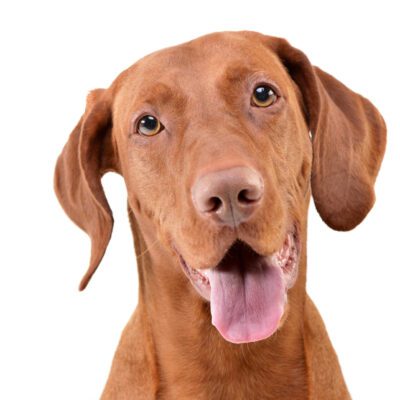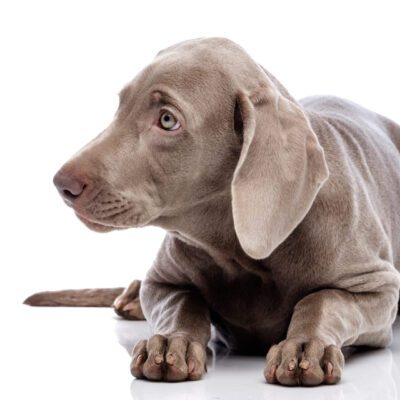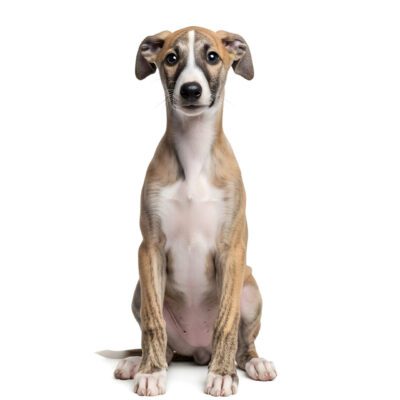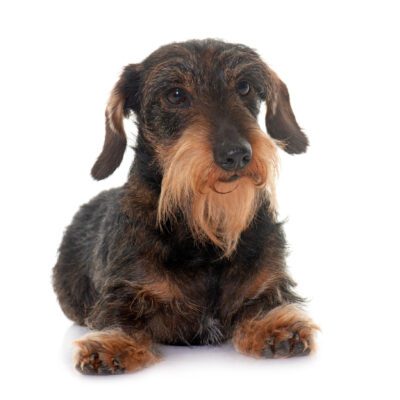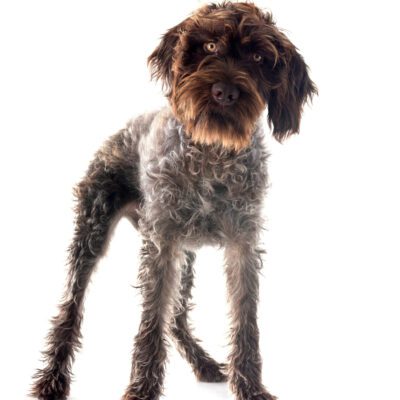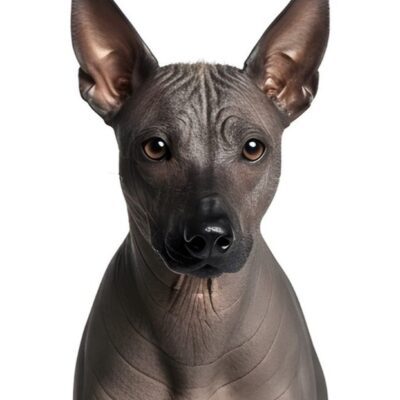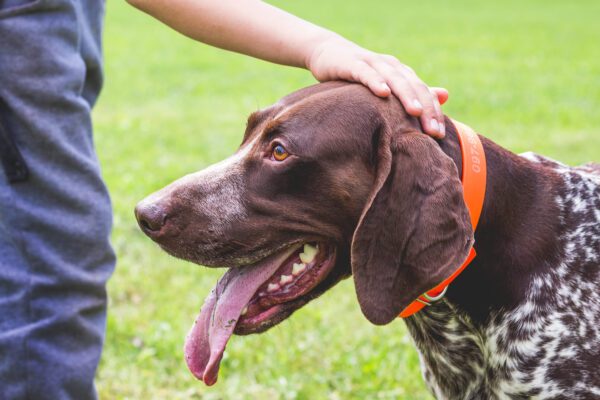
The German Shorthaired Pointer is an energetic, affectionate, and eager partner. This breed loves people, learns quickly, and thrives when given a job. Many families choose this dog for hiking, running, and outdoor fun, then stay for the snuggles and eager-to-please personality.
Before you adopt, research the breed’s needs and your daily routine. A German Shorthaired Pointer needs vigorous exercise, mental work, and steady training. Maine offers forests, lakes, fields, and coastal trails that suit this breed’s stamina. Winter arrives early and stays long in many towns, so cold-weather care matters. A properly fitted coat, paw protection, and shorter outings on icy days help keep this athletic dog safe and happy.
Adoption gives a dog a second chance and supports the work of shelters and rescues. It also provides transparency about temperament and health. Adopters often receive guidance from volunteers who know the dogs well. You gain a loyal companion while helping your local community and reducing demand for commercial breeding.
How Do You Adopt a German Shorthaired Pointer in Maine?
You can skip separate searches of rescues and shelters by using Dog Academy. Our adoption listings bring together available dogs in one place and make it easy to filter by breed and location. You can also use Dog Academy’s educational guides and adoption checklists to prepare your home, plan your budget, and set your first-week routine.
Available dogs appear through local animal shelters, regional rescues, and breed-specific rescue groups. Start by reading each profile closely. Look for notes on energy level, prey drive, training history, and comfort with kids or other pets. A German Shorthaired Pointer is smart and driven. Understanding the dog’s current skills and daily exercise needs will help you match with the right companion.
Most adoptions follow similar steps. You browse listings, submit an application, and provide details about your schedule, yard, and experience. Many groups request landlord approval if you rent and a veterinary reference if you own other pets. An adoption counselor reviews your application, then arranges next steps. Timelines vary by group, though many approvals take 1 to 3 weeks once references are complete.
Meet-and-greets help confirm the match. Some groups require a home check to ensure safe fencing, secure trash, and sensible storage for food and chemicals. After approval, you sign an adoption contract and pay the fee. You then pick up your dog, or you coordinate a scheduled transfer. When distance is involved, transport is often arranged by rescues to move dogs between states. Transport can include volunteer drivers or professional services that follow health and safety protocols. Confirm all details in writing, including dates, health records, and supplies to bring home.

|
How Much Does It Cost to Adopt a German Shorthaired Pointer in Maine?
In Maine, adoption fees for a German Shorthaired Pointer usually fall between $300 and $500 for adults and between $400 and $650 for puppies. Fees vary with age, training, medical care, and demand for active sporting breeds in New England. Puppies and highly trained adults often cost more because they require extra care and are in high demand.
Most groups include essential veterinary services in the fee. Typical coverage includes spaying or neutering, vaccinations, microchipping, and veterinary exams. Many dogs also receive deworming and heartworm testing. Plan for follow-up care, a dog license where required, quality food, a crate, a bed, durable toys, and training support. A realistic setup budget improves your first month and prevents surprises.
|
How Should I Train a German Shorthaired Pointer?
This breed is intelligent, biddable, and sensitive to tone. Positive reinforcement builds trust and clear habits. Keep sessions short and upbeat. Teach foundation skills like recall, loose-leash walking, and settle on a mat. Add impulse control with wait, stay, and leave it. Crate training helps with rest and travel and supports calm behavior on busy days. For structured help at home, explore Dog Academy’s online training courses that cover obedience, leash skills, and enrichment for high-drive dogs.
Expect a few common challenges. Many German Shorthaired Pointers pull on leash, jump to greet, or chase wildlife. Address pulling with a front-clip harness and reward every step of slack leash. Teach polite greetings by rewarding four paws on the floor. Reinforce recall daily in safe spaces before moving to open areas. Winter can reduce outdoor time in Maine, which can lead to pent-up energy. Solve this with scent games, food puzzles, hide-and-seek, and short indoor training bursts. Mental work tires a working dog as much as a long run.
Dog Training with Dog Academy
|
|
Find the Right German Shorthaired Pointer in Maine for You
The ideal adopter enjoys daily activity, values structure, and has time for training. A fenced yard helps, though committed exercise and recall practice matter most. Families who hike, run, or explore year-round in Maine will love this dog’s enthusiasm and resilience.
Prepare your home, set a budget, and map out your first two weeks. Read profiles carefully, ask questions, and move at a steady pace. When you are ready, use Dog Academy’s adoption listings to compare options and choose a dog whose energy, age, and temperament fit your lifestyle. With patience and a plan, you will adopt a German Shorthaired Pointer in Maine who thrives by your side in every season.